
Roger Williams
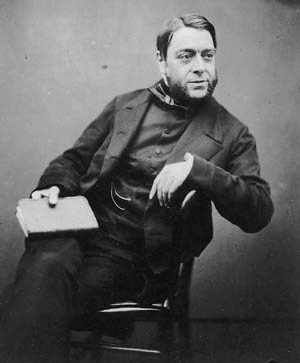
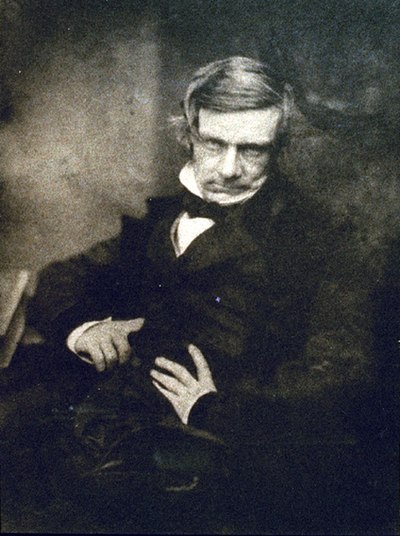
Roger Williams was a pioneering figure in early American history, known for his role as a religious leader, advocate for religious freedom, and founder of the colony of Rhode Island. Born in England around 1604, Williams was educated at Cambridge University and became a Puritan minister. However, his radical views on the separation of church and state, as well as his belief in the fair treatment of Native Americans, led to his banishment from the Massachusetts Bay Colony in 1636. He subsequently established Providence Plantations, which became a refuge for those seeking religious liberty, including Quakers, Jews, and others persecuted for their beliefs. Williams authored several significant works, including 'The Bloudy Tenent of Persecution' in 1644, where he argued against the coercion of conscience and for the necessity of a free church. His writings laid the groundwork for the principles of religious tolerance and the separation of church and state that would later influence the formation of the United States. Williams's legacy is marked by his commitment to individual liberty and his advocacy for Native American rights, making him a crucial figure in the development of American democracy and pluralism.
Famous Quotes
View all 6 quotes“Nicholas Sparks recently went on record as saying he is a greater novelist than Cormac McCarthy. This is true in the same sense that I am a better novelist than William Shakespeare.””
“I generally give the title-page a fair chance," Roger said. "Once can't always judge books merely by the cover.””
“The greatest crime in the world is to not develop your potential. When you do what you do best, you are helping not only yourself, but the world.””
Books from the author








Link to this page
Add a free, dofollow link to Lex on your blog, forum, syllabus, or reading list.

<a href="https://lex-books.com/author/roger-williams"><img src="https://lex-books.com/badges/read-on-lex.svg" alt="Roger Williams on Lex" width="160" height="40"></a>[](https://lex-books.com/author/roger-williams)[url=https://lex-books.com/author/roger-williams][img]https://lex-books.com/badges/read-on-lex.svg[/img][/url]Roger Williams on Lex: https://lex-books.com/author/roger-williams