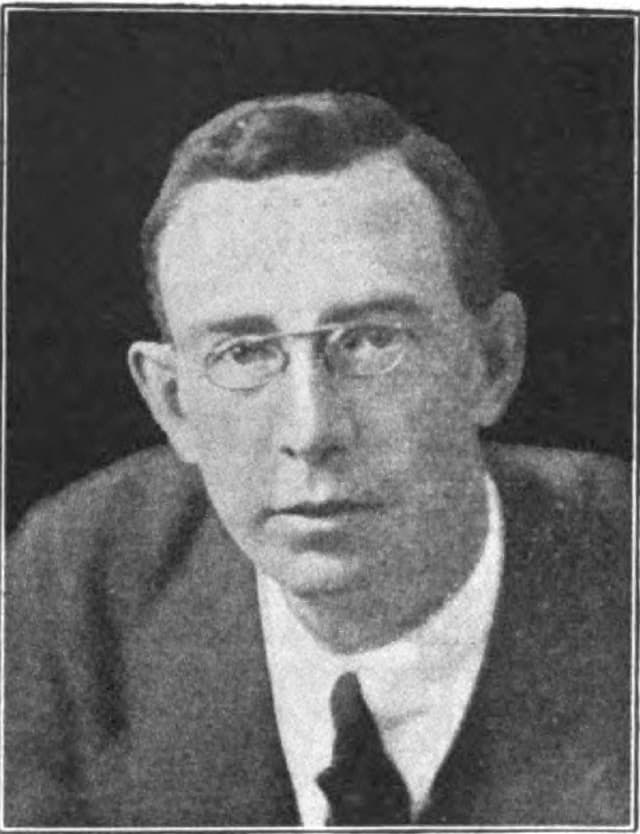
Robert Keable
Robert Keable was a British novelist who transitioned from a life of ministry to one of literary fame, largely due to his controversial first novel, 'Simon Called Peter.' Born in Bedfordshire and educated at Magdalene College, Cambridge, he served as a missionary in Africa before becoming an army chaplain during the First World War. His wartime experiences led to a scandalous affair with a nurse, Grace Eileen Joly Beresford Buck, prompting him to resign from the Church of England and leave his wife. 'Simon Called Peter,' published in 1921, explored themes of love and betrayal within the context of faith and war, selling over 600,000 copies and even being referenced in 'The Great Gatsby.' Despite its popularity, the novel faced criticism and was deemed so provocative that it was banned in some places. After achieving literary celebrity, Keable moved to Tahiti in 1922, seeking solace from the hypocrisies of British society. There, he continued to write prolifically, producing novels, poetry, and theological works until his untimely death at 40 from kidney disease. His later works, including the sequel 'Recompense,' garnered attention, although they did not reach the same heights as his debut. Keable's legacy is marked by his ability to blend personal turmoil with broader social commentary, leaving behind a body of work that resonated with readers, even if it often fell short of critical acclaim.
Famous Quotes
View all 2 quotes“Faith, which is the soul's real sight, is the gift of God, and no one ever knows exactly when He may be pleased to give. But when that moment comes, we seem to see a great light. We say not so much "I know!" as "I see!" and it is always the lonely "I" that says it.”
“Always the method is the same: first, the intellectual effort to go as far as may be with the understanding, and then the meditation and the prayer which carry the lagging feet of the soul into the hidden wonders of the Father's House. The moment of initiation may be long to seek.”
Books from the author

Link to this page
Add a free, dofollow link to Lex on your blog, forum, syllabus, or reading list.

<a href="https://lex-books.com/author/robert-keable"><img src="https://lex-books.com/badges/read-on-lex.svg" alt="Robert Keable on Lex" width="160" height="40"></a>[](https://lex-books.com/author/robert-keable)[url=https://lex-books.com/author/robert-keable][img]https://lex-books.com/badges/read-on-lex.svg[/img][/url]Robert Keable on Lex: https://lex-books.com/author/robert-keable