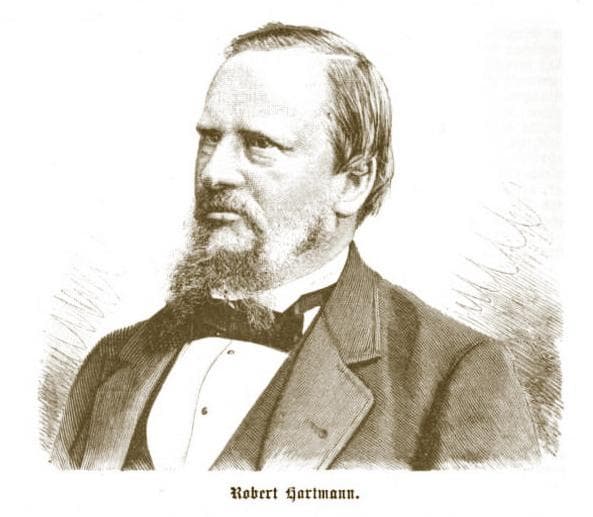
Robert Hartmann
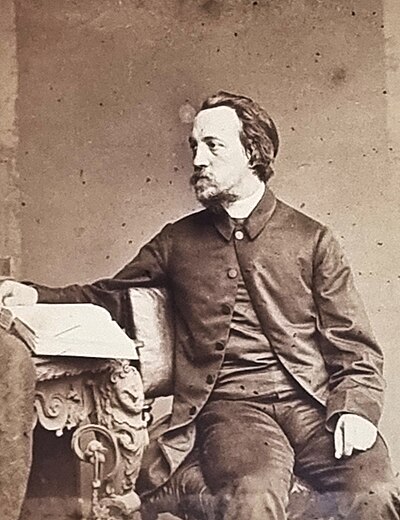
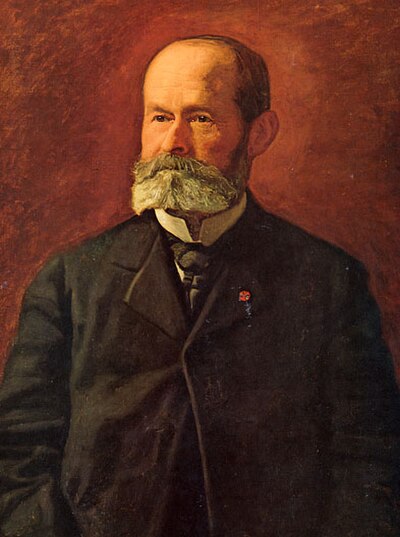
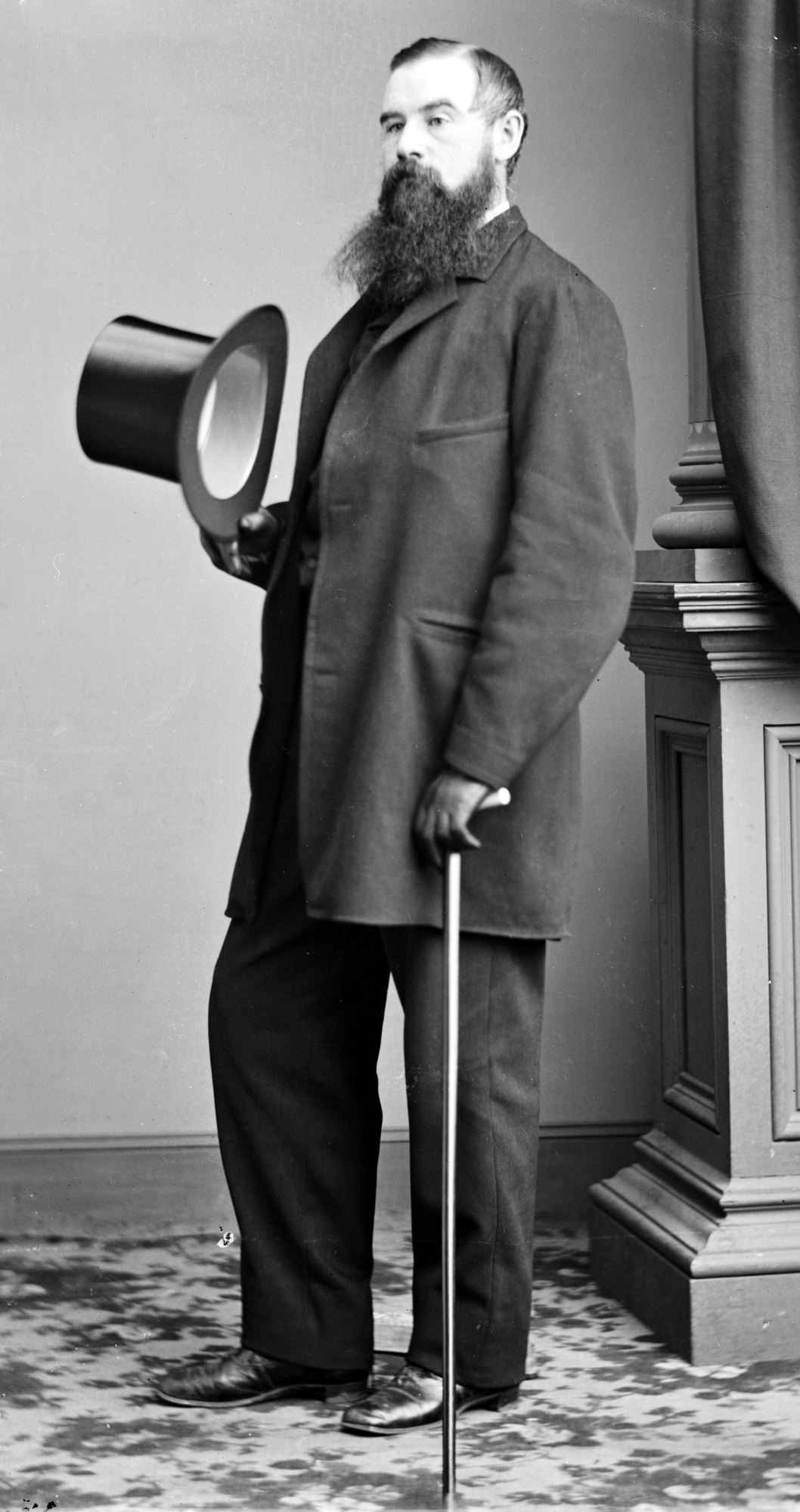
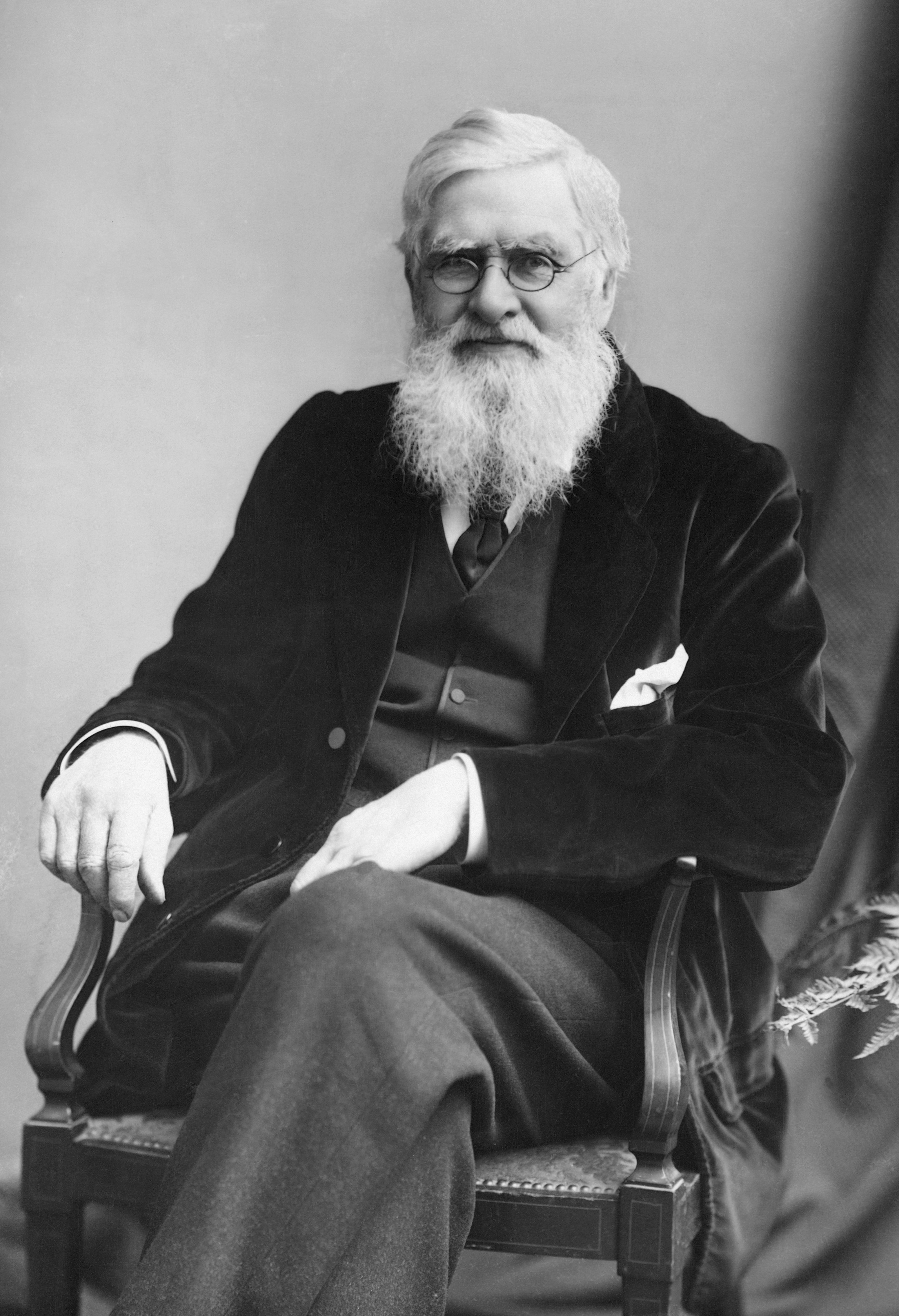
Robert Hartmann was a German naturalist and zoologist, best known for his contributions to the study of primates and his influential work, "Anthropoid Apes." Born in 1831, Hartmann dedicated his life to the exploration of the animal kingdom, with a particular focus on the behavior and physiology of apes. His research was notable for its detailed observations and scientific rigor, which helped to advance the understanding of primate biology during a time when the field was still in its infancy. In "Anthropoid Apes," Hartmann provided a comprehensive examination of the various species of apes, discussing their habitats, social structures, and evolutionary significance. This work not only contributed to the scientific community's knowledge of primates but also sparked broader interest in the study of human evolution and the relationship between humans and their closest relatives in the animal kingdom. Hartmann's legacy lies in his pioneering efforts to bridge the gap between zoology and anthropology, making significant strides in how these disciplines intersected. His work remains a reference point for contemporary studies in primatology and evolutionary biology.
Famous Quotes
View all 11 quotes“Man's only hope lies in "final redemption from the misery of volition and existence into the painlessness of non-being and non-willing." No mortal may quit the task of life, but each must do his part to hasten the time when in the major portion of the human race the activity of the unconscious shall be ruled by intelligence, and this stage reached, in the simultaneous action of many persons volition will resolve upon its own non-continuance, and thus idea and will be once more reunited in the Absolute.””
“And people would believe it, thought Hartmann, because people believed what they wanted to believe – that was Goebbels’s great insight. They no longer had any need to bother themselves with inconvenient truths. He had given them an excuse not to think.””
“They weren’t such bad fellows, Hartmann thought. He had mixed with their type all his life: patriotic, conservative, clannish. For them, Hitler was like some crude gamekeeper who had mysteriously contrived to take over the running of their family estates: once installed, he had proved an unexpected success, and they had consented to tolerate his occasional bad manners and lapses into violence in return for a quiet life. Now they had discovered they couldn’t get rid of him and they looked as if they were starting to regret it.””
Books from the author

Link to this page
Add a free, dofollow link to Lex on your blog, forum, syllabus, or reading list.

<a href="https://lex-books.com/author/robert-hartmann"><img src="https://lex-books.com/badges/read-on-lex.svg" alt="Robert Hartmann on Lex" width="160" height="40"></a>[](https://lex-books.com/author/robert-hartmann)[url=https://lex-books.com/author/robert-hartmann][img]https://lex-books.com/badges/read-on-lex.svg[/img][/url]Robert Hartmann on Lex: https://lex-books.com/author/robert-hartmann