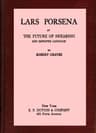
Lars Porsena: Or, The Future of Swearing and Improper Language
1927
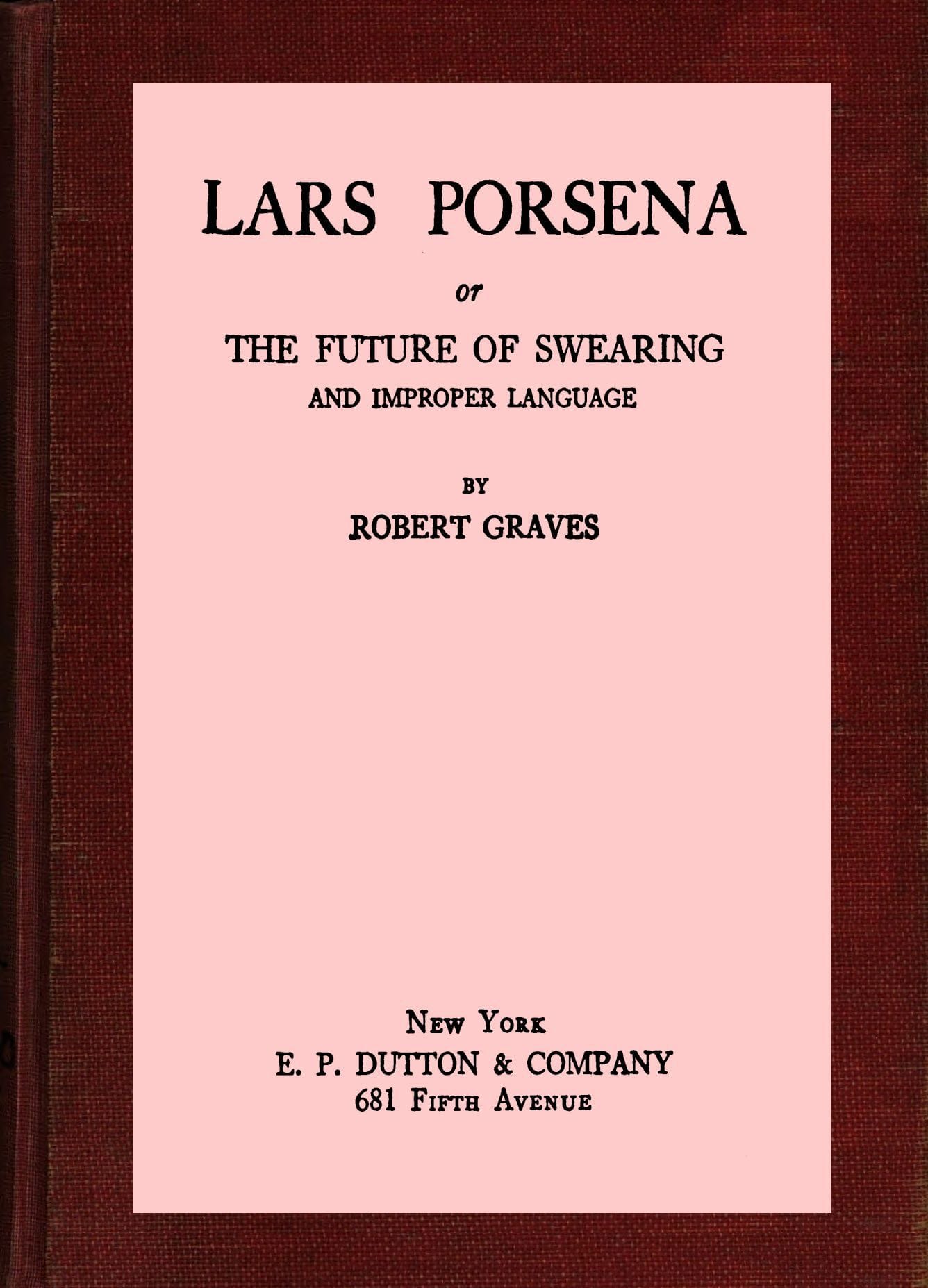
Lars Porsena: Or, The Future of Swearing and Improper Language
1927
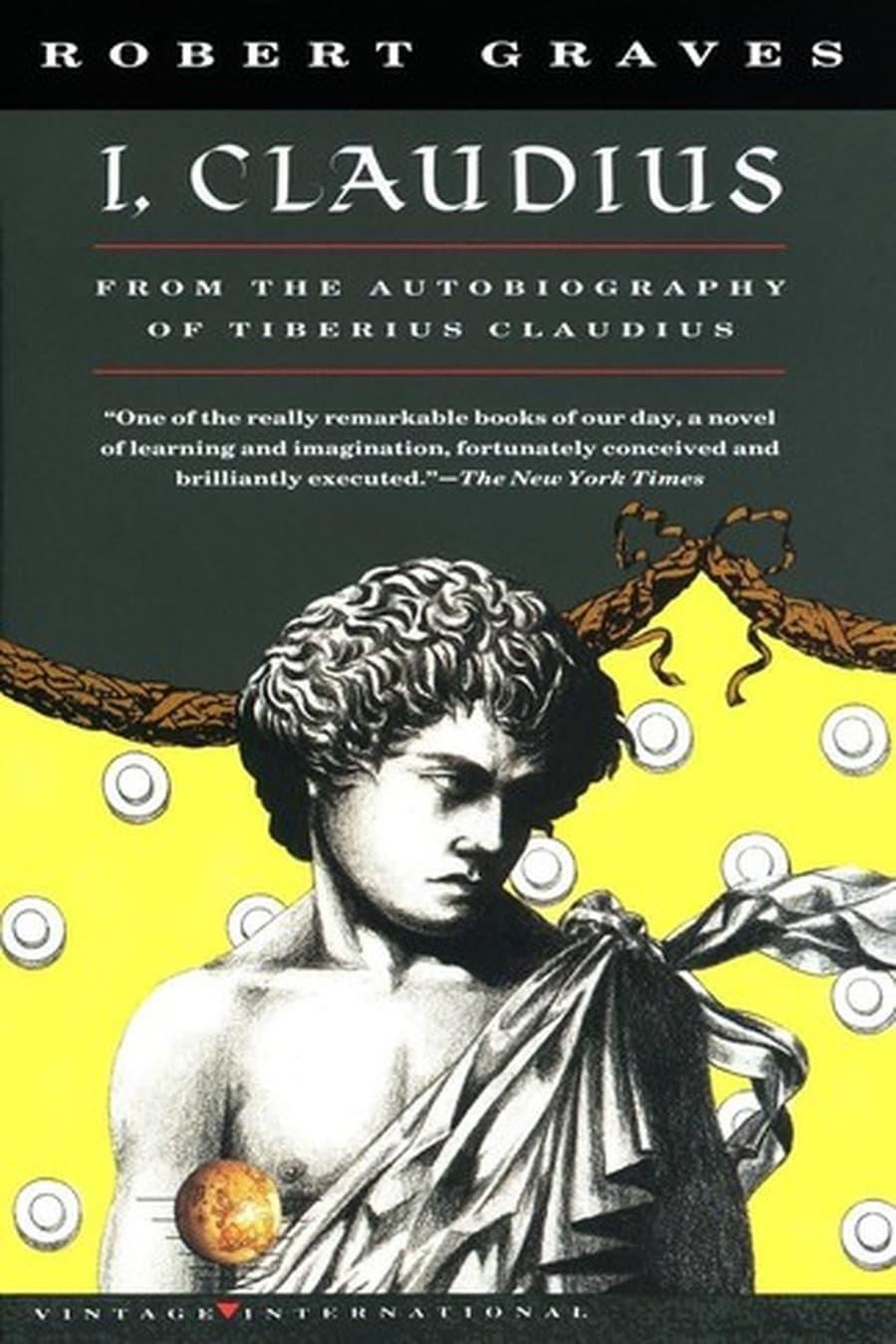
In 1927, Robert Graves composed what may be the most impassioned defense of profanity ever written by a future author of Roman historical novels. Ostensibly a scholarly treatise on the decline of swearing in England, the essay is actually a sly, provocative argument that the sanitization of language signals something far more troubling: a cultural timidity, a loss of robustness, a surrender to the forces of prudishness and hypocrisy. Drawing on history, literature, and his own contrarian sensibilities, Graves mounts a mock-serious case for why colorful oaths, blasphemies, and obscenities are essential to authentic expression. Written when English censorship remained firmly in force, the book reads as both cultural criticism and quiet rebellion, an insistence that the foul-mouthed have as much right to literary representation as the refined. The result is a strange, witty, occasionally shocking artifact that refuses to take linguistic puritanism seriously.
Editions
Link to this book
Add a free, dofollow link to Lex on your blog, forum, syllabus, or reading list.

<a href="https://lex-books.com/book/lars-porsena-or-the-future-of-swearing-and-improper-language-41e76528-99fe-404f-a7fd-12808a0df438"><img src="https://lex-books.com/badges/read-on-lex.svg" alt="Read Lars Porsena: Or, The Future of Swearing and Improper Language by Robert Graves free on Lex" width="160" height="40"></a>[](https://lex-books.com/book/lars-porsena-or-the-future-of-swearing-and-improper-language-41e76528-99fe-404f-a7fd-12808a0df438)[url=https://lex-books.com/book/lars-porsena-or-the-future-of-swearing-and-improper-language-41e76528-99fe-404f-a7fd-12808a0df438][img]https://lex-books.com/badges/read-on-lex.svg[/img][/url]Read Lars Porsena: Or, The Future of Swearing and Improper Language by Robert Graves free on Lex: https://lex-books.com/book/lars-porsena-or-the-future-of-swearing-and-improper-language-41e76528-99fe-404f-a7fd-12808a0df438Cite this book
Reading this edition for a paper or guide? Copy a citation.
Graves, Robert. Lars Porsena: Or, The Future of Swearing and Improper Language. Lex, lex-books.com/book/lars-porsena-or-the-future-of-swearing-and-improper-language-41e76528-99fe-404f-a7fd-12808a0df438.Graves, R. (1927). Lars Porsena: Or, The Future of Swearing and Improper Language. Lex. https://lex-books.com/book/lars-porsena-or-the-future-of-swearing-and-improper-language-41e76528-99fe-404f-a7fd-12808a0df438Graves, Robert. Lars Porsena: Or, The Future of Swearing and Improper Language. Lex. https://lex-books.com/book/lars-porsena-or-the-future-of-swearing-and-improper-language-41e76528-99fe-404f-a7fd-12808a0df438.