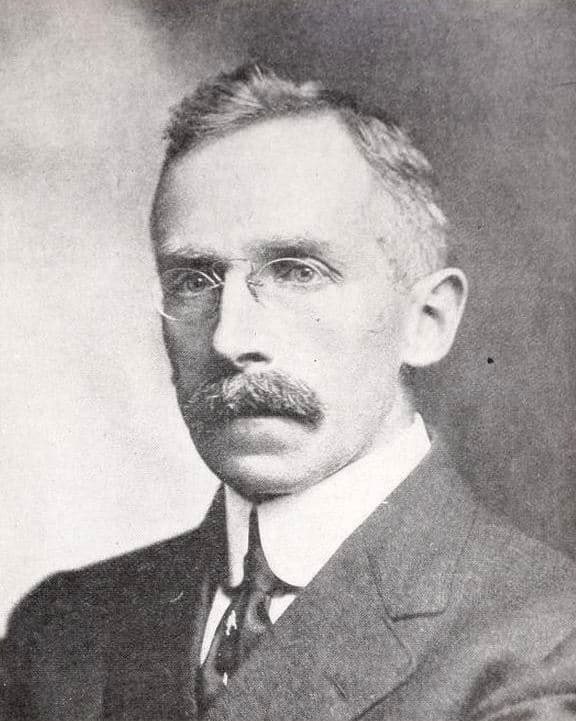
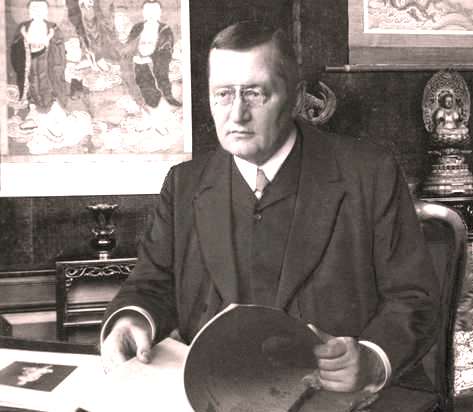
James Harvey Robinson
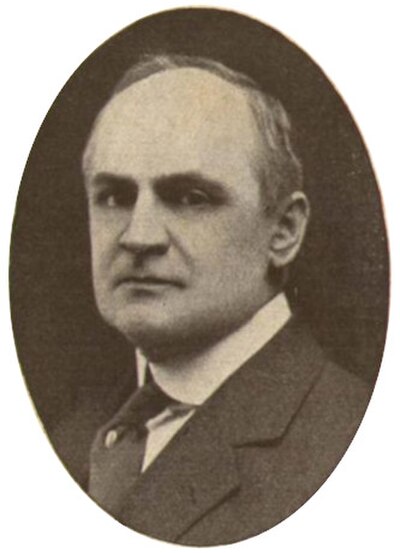
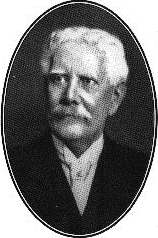
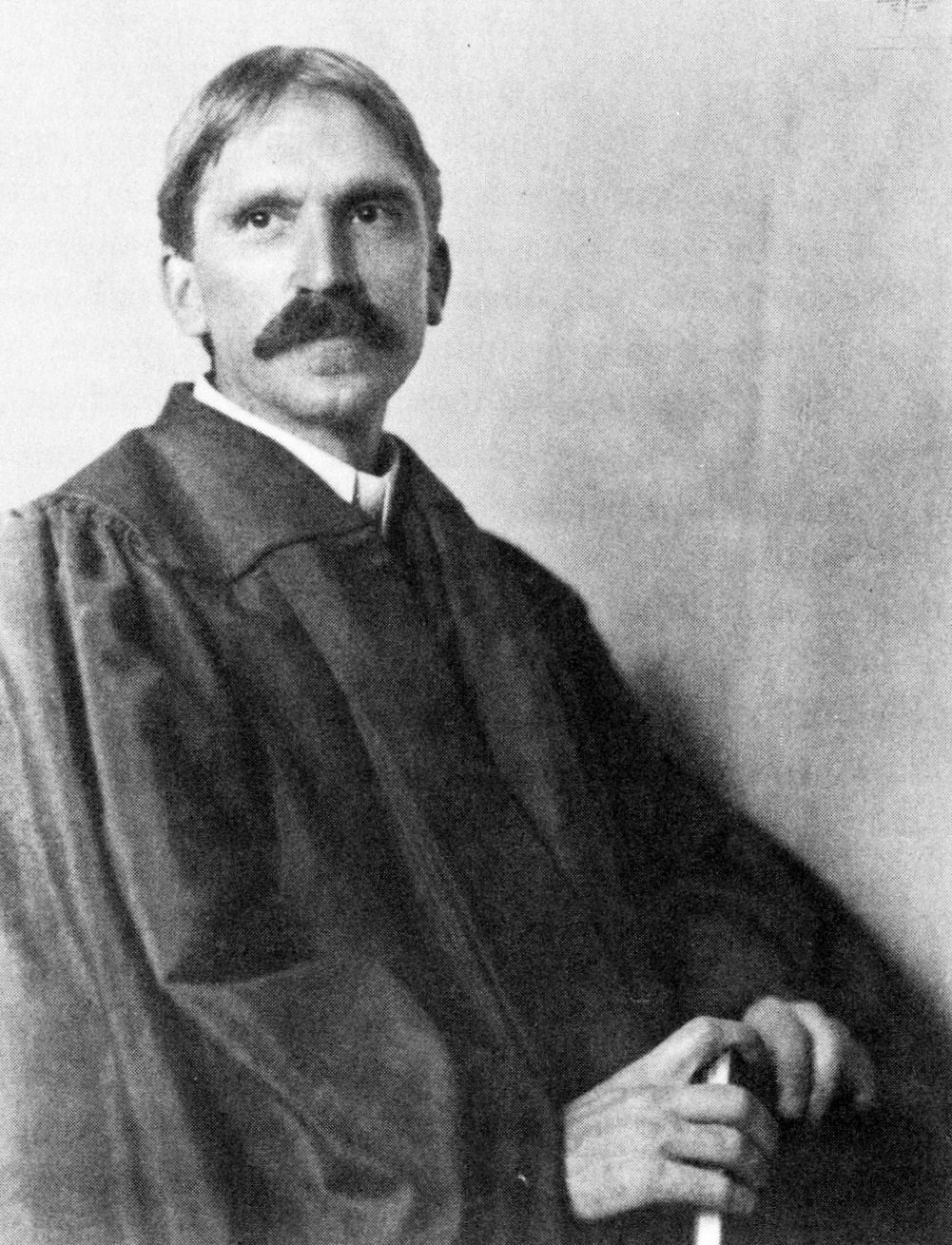
James Harvey Robinson was an influential American historian and a key figure in the development of the New History movement, which he co-founded with Charles Austin Beard. This innovative approach sought to apply historical analysis to contemporary issues, emphasizing the interconnectedness of history and the social sciences. Robinson's work challenged traditional historical narratives and encouraged historians to consider the broader implications of historical events on modern society. His notable publications, including 'The New History' and 'The Mind in the Making,' argued for a more dynamic understanding of history that incorporated psychological and sociological perspectives. Robinson's contributions to historical scholarship extended beyond his writings; he played a pivotal role in shaping educational practices in history. He advocated for a curriculum that emphasized critical thinking and the relevance of history to current societal challenges. His legacy is evident in the way history is taught and understood today, as he laid the groundwork for a more interdisciplinary approach to the field. Through his efforts, Robinson not only transformed historical scholarship but also influenced generations of historians and educators, making him a significant figure in the evolution of modern historical thought.
Famous Quotes
View all 3 quotes“We are incredibly heedless in the formation of our beliefs, but find ourselves filled with an illicit passion for them when anyone proposes to rob us of their companionship. It is obviously not the ideas themselves that are dear to us, but our self-esteem, which is threatened.”
“Greatness, in the last analysis, is largely bravery - courage in escaping from old ideas and old standards and respectable ways of doing things.”
“The truth that no abrupt change has ever taken place in all the customs of a people, and that it cannot, in the nature of things, take place, is perhaps the most fundamental lesson that history teaches.”
Books from the author





Link to this page
Add a free, dofollow link to Lex on your blog, forum, syllabus, or reading list.

<a href="https://lex-books.com/author/james-harvey-robinson"><img src="https://lex-books.com/badges/read-on-lex.svg" alt="James Harvey Robinson on Lex" width="160" height="40"></a>[](https://lex-books.com/author/james-harvey-robinson)[url=https://lex-books.com/author/james-harvey-robinson][img]https://lex-books.com/badges/read-on-lex.svg[/img][/url]James Harvey Robinson on Lex: https://lex-books.com/author/james-harvey-robinson