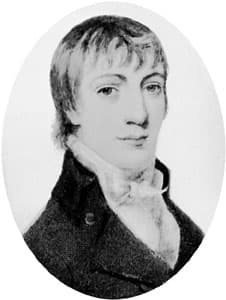
Robert Bloomfield
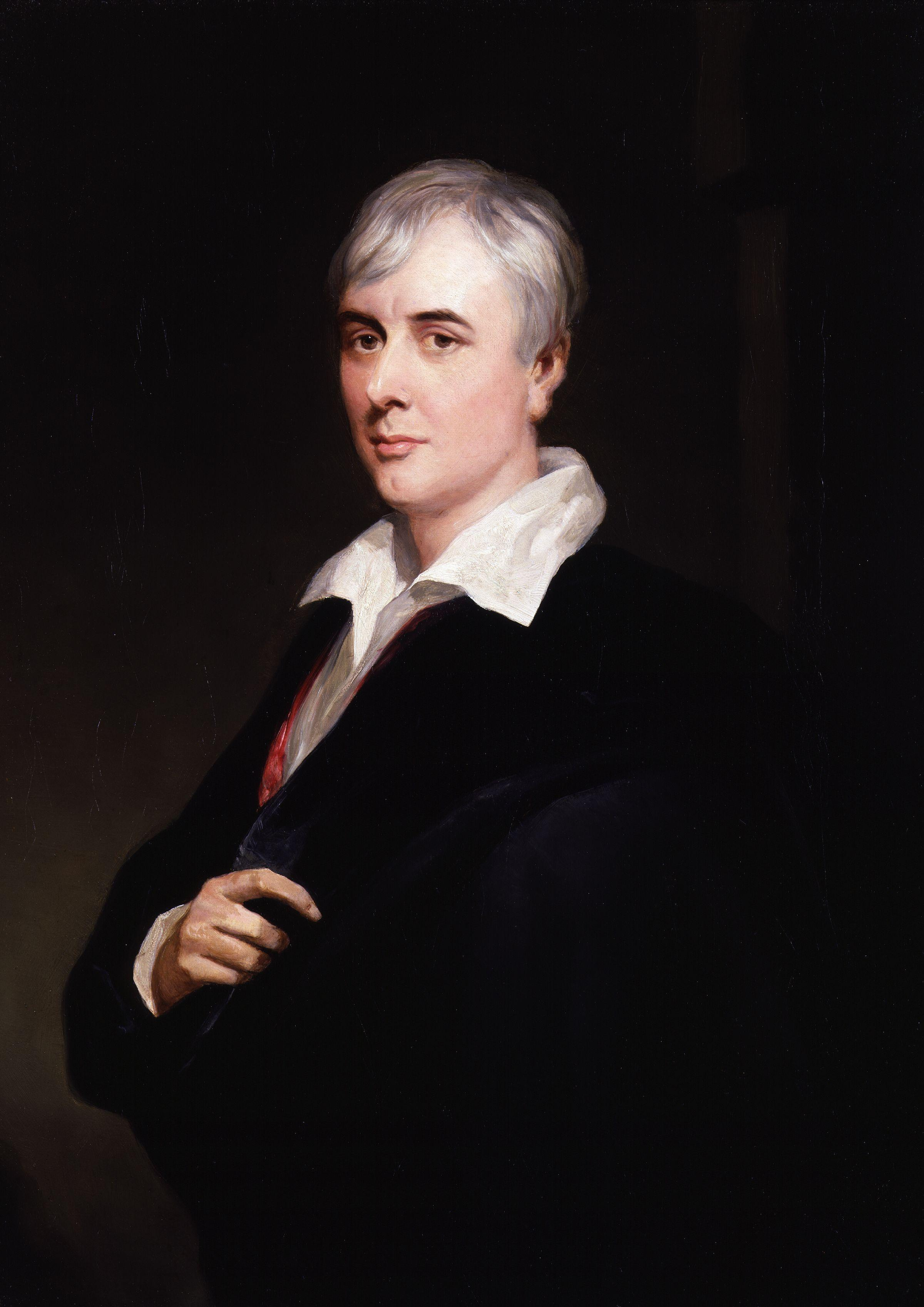
Robert Bloomfield was an English poet who emerged from the labouring class to gain recognition for his poignant depictions of rural life and the struggles of the working poor. His most notable work, 'The Farmer's Boy,' published in 1800, celebrated agrarian life and highlighted the dignity of labor, resonating with readers of his time and establishing him as a significant voice in English poetry. Bloomfield's self-educated background placed him among a unique group of writers, including Stephen Duck and John Clare, who articulated the experiences and sentiments of the lower classes, challenging the literary norms of their era. Bloomfield's poetry is characterized by its vivid imagery and emotional depth, often reflecting his own experiences as a farm laborer. His ability to convey the beauty and hardship of rural existence earned him a place in the literary canon, influencing later poets who sought to explore similar themes. Despite facing financial difficulties throughout his life, Bloomfield's contributions to literature were recognized during his lifetime, and he left a lasting legacy that continues to be appreciated for its authenticity and social commentary.
Famous Quotes
View all 1 quotes“Strange to the world, he wore a bashful look, The fields his study, Nature was his book; And, as revolving SEASONS chang'd the scene From heat to cold, tempestuous to serene, Though every change still varied his employ, Yet each new duty brought its share of joy.”
Books from the author
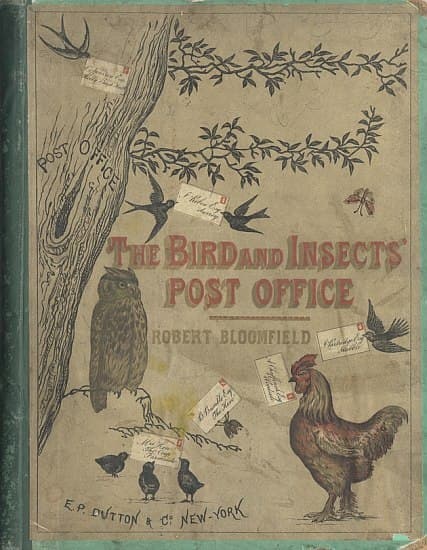



Link to this page
Add a free, dofollow link to Lex on your blog, forum, syllabus, or reading list.

<a href="https://lex-books.com/author/robert-bloomfield"><img src="https://lex-books.com/badges/read-on-lex.svg" alt="Robert Bloomfield on Lex" width="160" height="40"></a>[](https://lex-books.com/author/robert-bloomfield)[url=https://lex-books.com/author/robert-bloomfield][img]https://lex-books.com/badges/read-on-lex.svg[/img][/url]Robert Bloomfield on Lex: https://lex-books.com/author/robert-bloomfield