
Radclyffe Hall
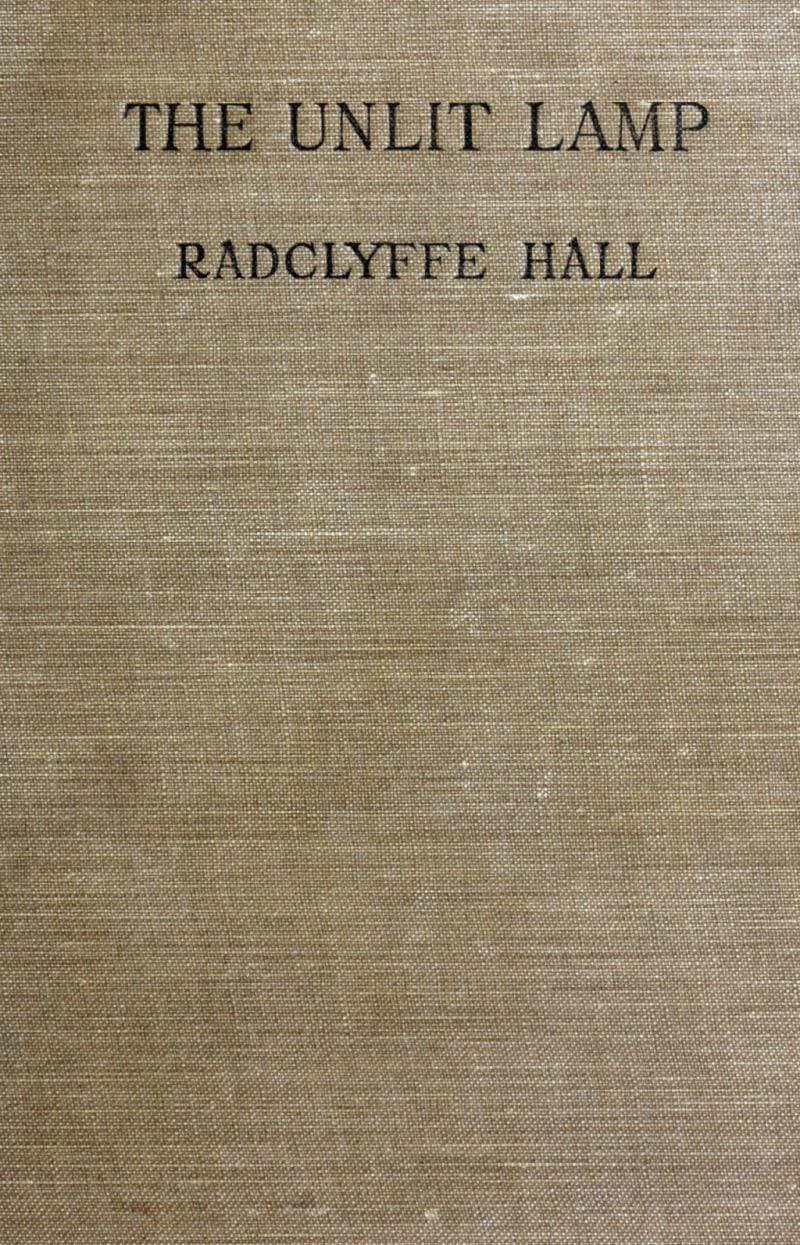
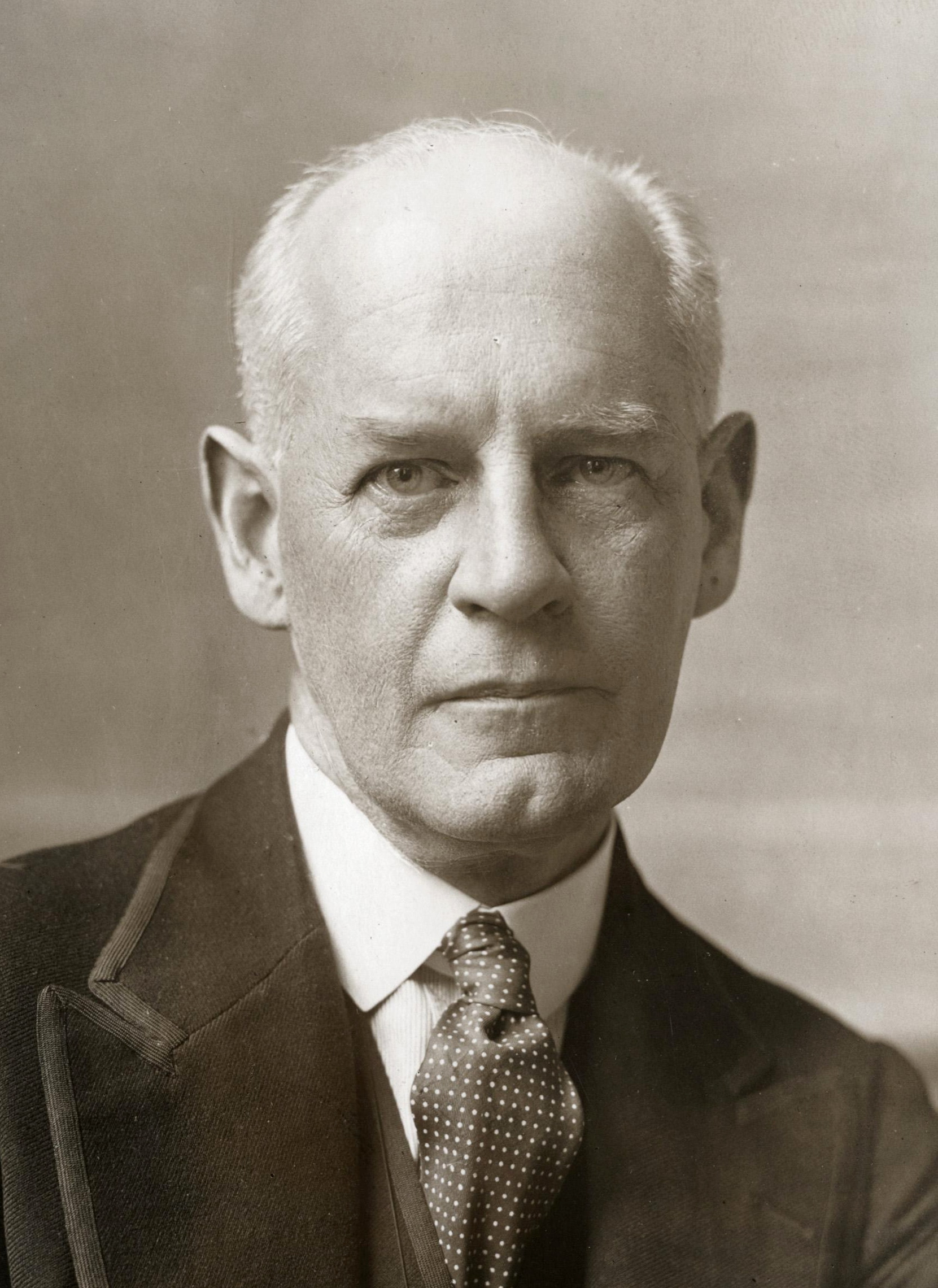
Radclyffe Hall was an English poet and novelist whose work significantly impacted lesbian literature. Born Marguerite Antonia Radclyffe-Hall, she adopted the name John in her adult life, reflecting her complex relationship with gender and identity. Hall's most notable work, 'The Well of Loneliness,' published in 1928, is often regarded as a pioneering text that openly addressed lesbian themes and the struggles of same-sex love. The novel's candid portrayal of a lesbian protagonist, Stephen Gordon, challenged societal norms and sparked considerable controversy upon its release, leading to a landmark obscenity trial in the UK that ultimately brought attention to LGBTQ+ issues in literature. Throughout her career, Hall wrote several other works, including poetry and essays, but none achieved the same level of notoriety as 'The Well of Loneliness.' Her contributions to literature provided a voice for marginalized communities and helped pave the way for future generations of LGBTQ+ writers. Hall's legacy endures as a symbol of resilience and courage in the face of societal opposition, and she remains a significant figure in the history of queer literature.
Famous Quotes
View all 3 quotes“If our love is a sin, then heaven must be full of such tender and selfless sinning as ours.”
“The world hid its head in the sands of convention, so that by seeing nothing it might avoid Truth.”
“You're neither unnatural, nor abominable, nor mad; you're as much a part of what people call nature as anyone else; only you're unexplained as yet--you've not got your niche in creation. But some day that will come, and meanwhile don't shrink from yourself, but face yourself calmly and bravely. Have courage; do the best you can with your burden. But above all be honourable. Cling to your honour for the sake of those others who share the same burden. For their sakes show the world that people like you and they can be quite as selfless and fine as the rest of mankind. Let your life go to prove this--it would be a really great life-work, Stephen.”
Books from the author






Link to this page
Add a free, dofollow link to Lex on your blog, forum, syllabus, or reading list.

<a href="https://lex-books.com/author/radclyffe-hall"><img src="https://lex-books.com/badges/read-on-lex.svg" alt="Radclyffe Hall on Lex" width="160" height="40"></a>[](https://lex-books.com/author/radclyffe-hall)[url=https://lex-books.com/author/radclyffe-hall][img]https://lex-books.com/badges/read-on-lex.svg[/img][/url]Radclyffe Hall on Lex: https://lex-books.com/author/radclyffe-hall