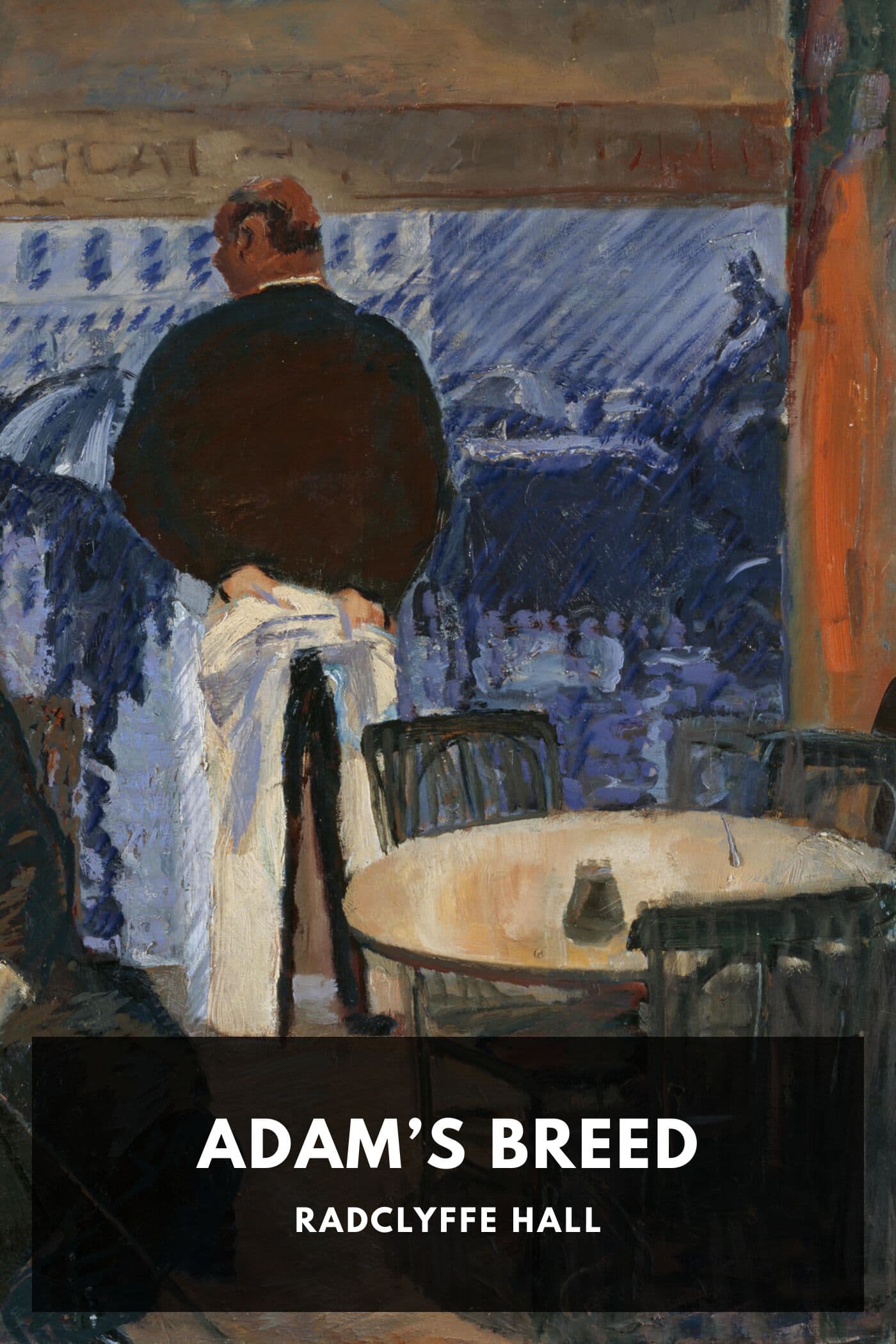
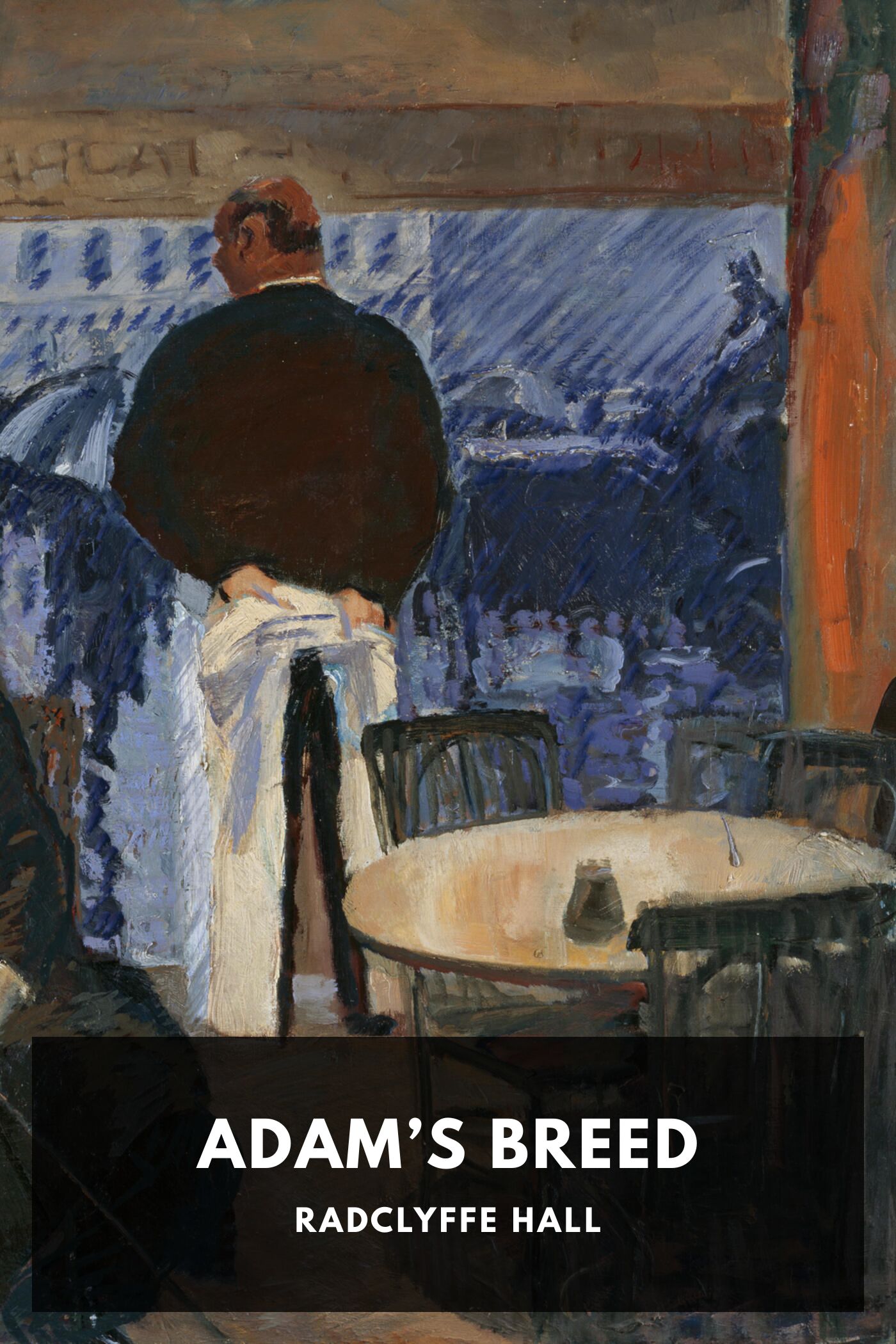
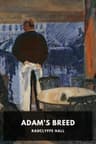
Adam’s Breed
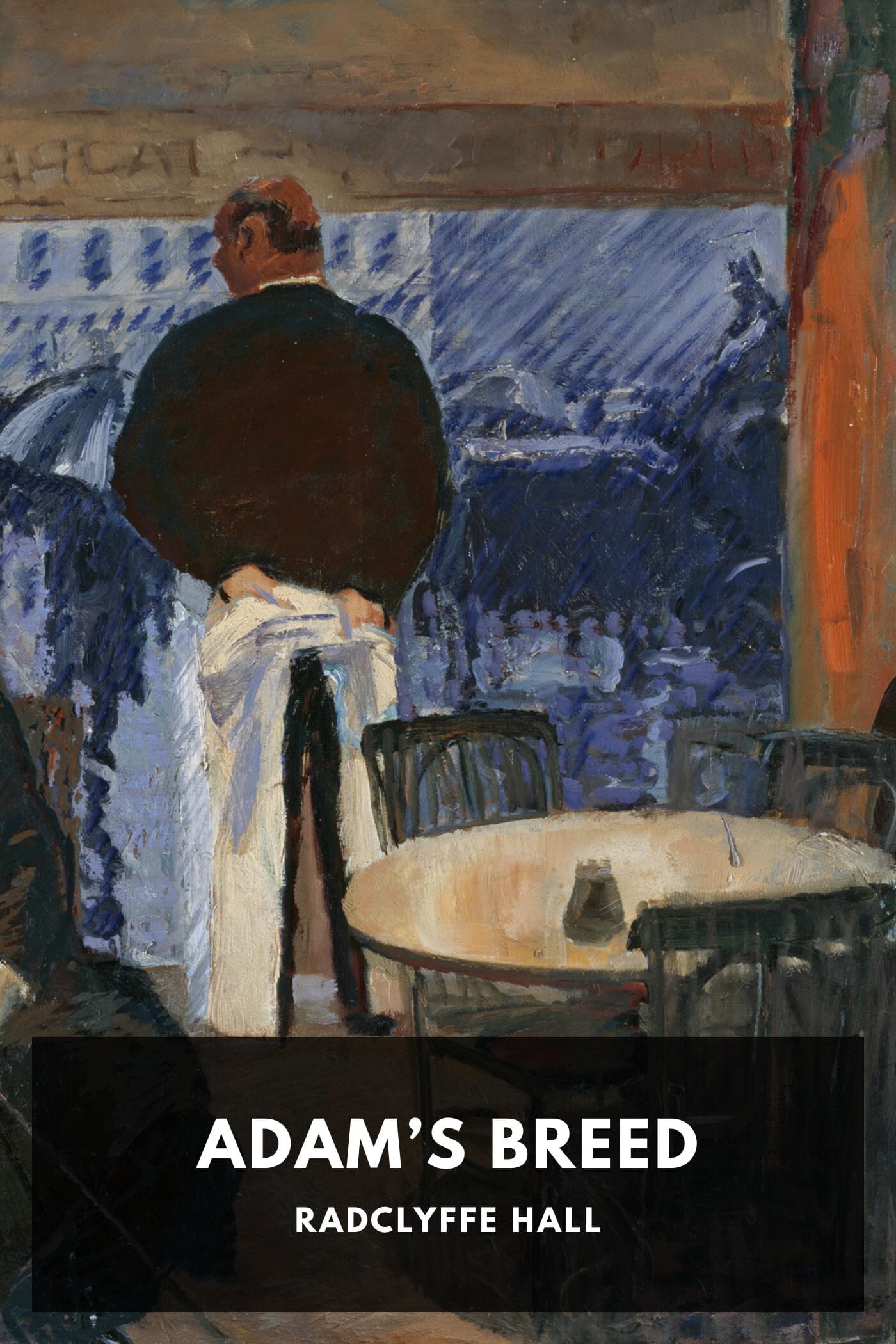
Radclyffe Hall's 1926 novel, *Adam's Breed*, introduces Gian-Luca, a young Italian immigrant in London born into the shadow of his mother's death and his grandmother's resentment. Navigating the liminal space between his Italian heritage and English upbringing, Gian-Luca grapples with a profound sense of alienation. His journey for meaning leads him through poetry, a stint as a waiter, and even a loving marriage, yet an existential void persists. The outbreak of World War I acts as a catalyst, pushing him further into a spiritual crisis and a visceral rejection of the material world, compelling him towards a solitary, ascetic existence. This bildungsroman, a literary sensation in its time and winner of the James Tait Black Memorial Prize, resonates with the spiritual quest of Hermann Hesse's *Siddhartha*. Hall's prose, stark yet deeply empathetic, delves into the universal human yearning for purpose and belonging, questioning societal constructs and the very nature of identity. It's a powerful exploration of spiritual awakening amidst urban alienation, a timeless narrative that probes the depths of human consciousness and the radical choices one makes in pursuit of an authentic life.
Editions
Link to this book
Add a free, dofollow link to Lex on your blog, forum, syllabus, or reading list.

<a href="https://lex-books.com/book/adam-s-breed-a1612968-d834-463a-b303-615de5213560"><img src="https://lex-books.com/badges/read-on-lex.svg" alt="Read Adam’s Breed by Radclyffe Hall free on Lex" width="160" height="40"></a>[](https://lex-books.com/book/adam-s-breed-a1612968-d834-463a-b303-615de5213560)[url=https://lex-books.com/book/adam-s-breed-a1612968-d834-463a-b303-615de5213560][img]https://lex-books.com/badges/read-on-lex.svg[/img][/url]Read Adam’s Breed by Radclyffe Hall free on Lex: https://lex-books.com/book/adam-s-breed-a1612968-d834-463a-b303-615de5213560Cite this book
Reading this edition for a paper or guide? Copy a citation.
Hall, Radclyffe. Adam’s Breed. Lex, lex-books.com/book/adam-s-breed-a1612968-d834-463a-b303-615de5213560.Hall, R. (n.d.). Adam’s Breed. Lex. https://lex-books.com/book/adam-s-breed-a1612968-d834-463a-b303-615de5213560Hall, Radclyffe. Adam’s Breed. Lex. https://lex-books.com/book/adam-s-breed-a1612968-d834-463a-b303-615de5213560.