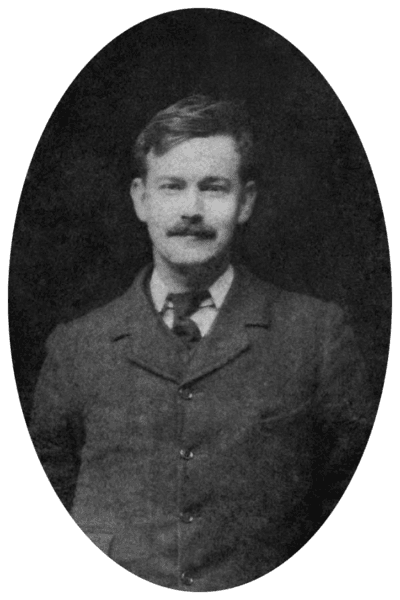
R. H. Tawney
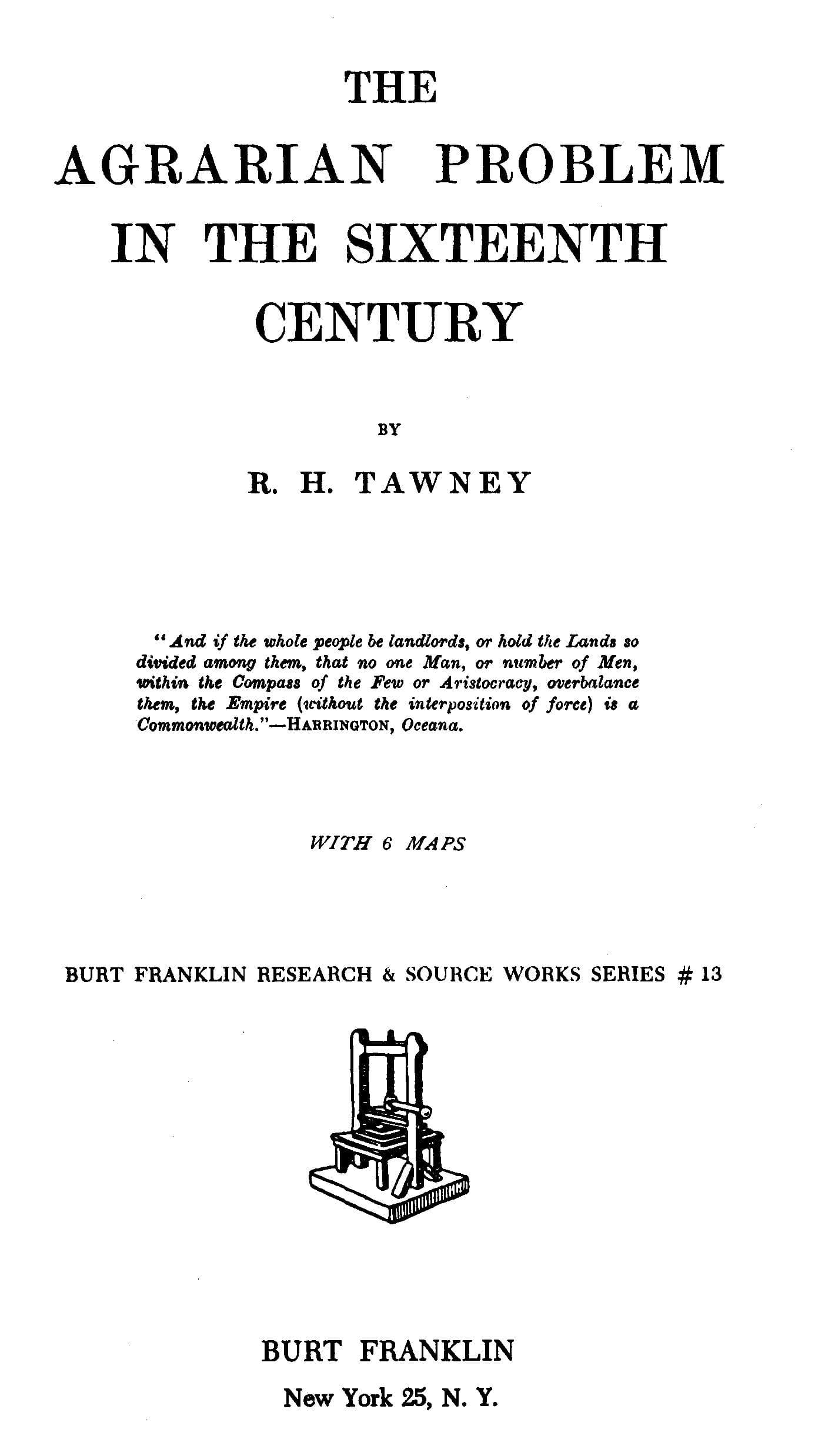
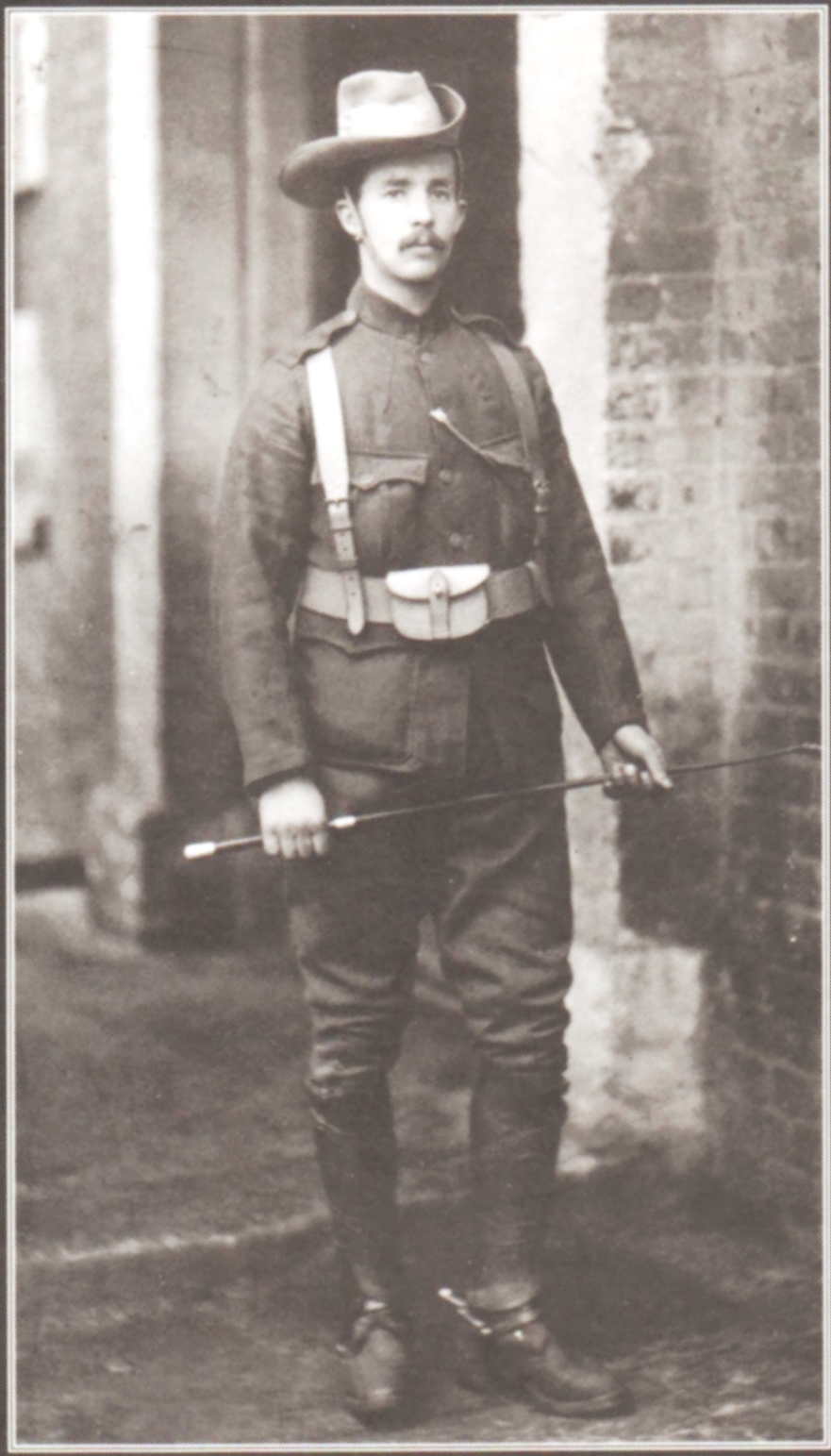
R. H. Tawney was an influential English economic historian and social critic whose work significantly shaped the discourse on social justice and education in the early 20th century. Born into a middle-class family, Tawney's academic pursuits led him to the study of history and economics, where he developed a keen interest in the moral implications of economic systems. His most notable works, such as 'The Acquisitive Society' and 'Religion and the Rise of Capitalism', challenged the prevailing capitalist ethos and argued for a more equitable society rooted in ethical socialism and Christian values. Tawney's advocacy for adult education also underscored his belief in the transformative power of knowledge, which he viewed as essential for social progress. Tawney's impact extended beyond academia; he was a prominent figure in the Labour movement and contributed to the development of educational policies in post-war Britain. His ideas on the relationship between economic structures and social conditions influenced generations of thinkers and policymakers. Tawney's legacy is reflected in the ongoing debates about the role of education in fostering social equity and the moral responsibilities of individuals within society. His work remains a touchstone for those examining the intersections of economics, ethics, and education, marking him as one of the most significant historians of his time.
Famous Quotes
View all 9 quotes“Freedom for the pike is death for the minnows.””
“Granted, I should love my neighbor as myself, the questions which, under modern conditions of large-scale organization, remain for solution are, ''Who precisely is my neighbor?'' and ''How exactly am I to make my love for them effective in practice?''... It had insisted that all men were brethren. But it did not occur to it to point out that, as a result of the new economic imperialism, which was begging to develop in the 17th century, the brethren of the English merchant were the Africans whom he kidnapped for slavery in America, or the American Indians from whom he stripped of their lands, or the Indian craftsmen whom he bought muslin's and silks at starvation prices. Religion had not yet learned to console itself for the practical difficulty of applying its moral principles by clasping the comfortable formula that for the transaction of economic life no moral principles exist.””
“What thoughtful rich people call the problem of poverty , thoughtful poor people with equal justice call the problem of riches.””
Books from the author








Link to this page
Add a free, dofollow link to Lex on your blog, forum, syllabus, or reading list.

<a href="https://lex-books.com/author/r-h-tawney"><img src="https://lex-books.com/badges/read-on-lex.svg" alt="R. H. Tawney on Lex" width="160" height="40"></a>[](https://lex-books.com/author/r-h-tawney)[url=https://lex-books.com/author/r-h-tawney][img]https://lex-books.com/badges/read-on-lex.svg[/img][/url]R. H. Tawney on Lex: https://lex-books.com/author/r-h-tawney