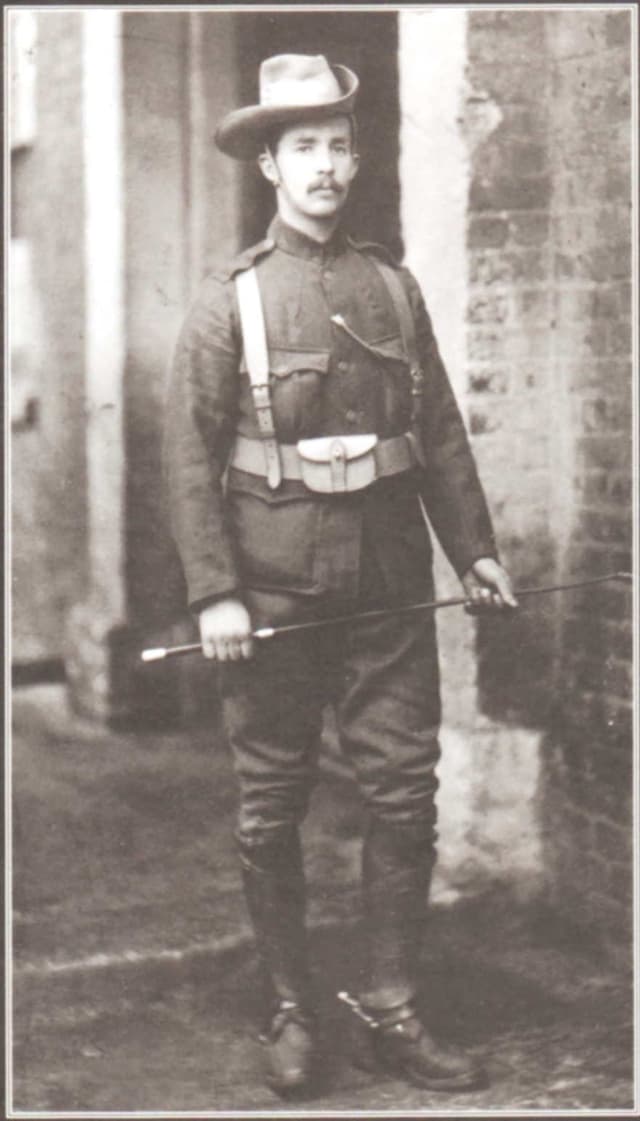
Erskine Childers
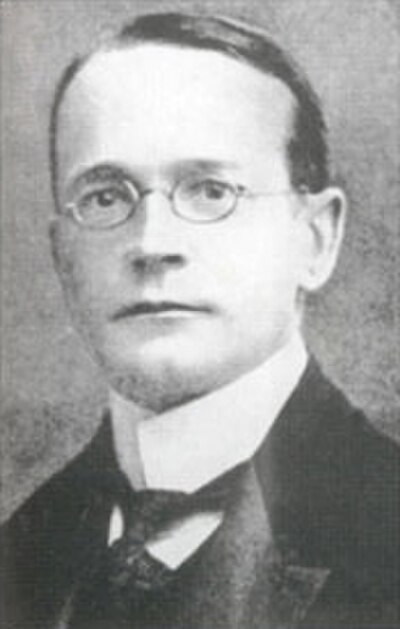
Erskine Childers was an influential English-born Irish nationalist and writer, best known for his novel 'The Riddle of the Sands,' published in 1903. This work is often credited with pioneering the genre of spy fiction, intertwining adventure with political intrigue and maritime themes. Childers' vivid portrayal of espionage and the looming threat of war reflected the tensions of his time, making it a significant precursor to later works in the genre. Beyond his literary contributions, Childers was deeply involved in Irish politics and the struggle for independence, which shaped his identity and writings. In addition to his fiction, Childers wrote extensively on political issues, advocating for Irish nationalism and the establishment of an independent Ireland. His commitment to the cause led to his involvement in the Irish War of Independence and later the Irish Civil War, where he took a stand against the Anglo-Irish Treaty. Tragically, his political activities culminated in his execution in 1922, marking him as a martyr for the nationalist cause. Childers' legacy endures not only through his literary achievements but also through his unwavering dedication to Ireland's sovereignty, making him a significant figure in both literature and history.
Famous Quotes
View all 2 quotes“I had always detested the meddlesome alarmist, who veils ignorance under noisiness, and for ever wails his chant of lugubrious pessimism.”
“A keen wind from the west struck our faces, and as swiftly as it had come the fog rolled away from us, in one mighty mass, stripping clean and pure the starry dome of heaven...”
Books from the author





Link to this page
Add a free, dofollow link to Lex on your blog, forum, syllabus, or reading list.

<a href="https://lex-books.com/author/erskine-childers"><img src="https://lex-books.com/badges/read-on-lex.svg" alt="Erskine Childers on Lex" width="160" height="40"></a>[](https://lex-books.com/author/erskine-childers)[url=https://lex-books.com/author/erskine-childers][img]https://lex-books.com/badges/read-on-lex.svg[/img][/url]Erskine Childers on Lex: https://lex-books.com/author/erskine-childers