
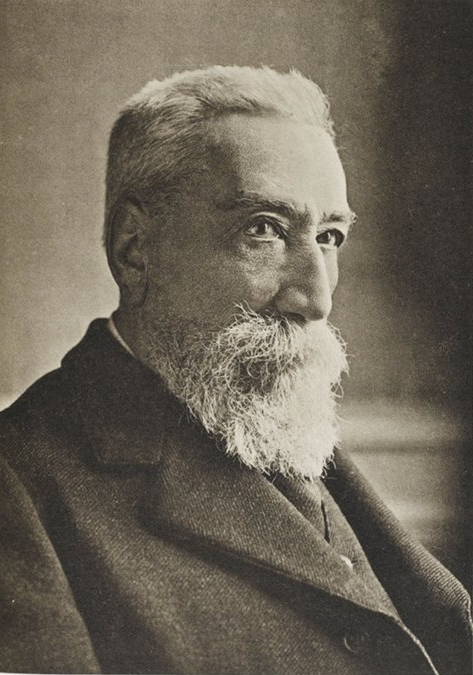
Prosper Mérimée
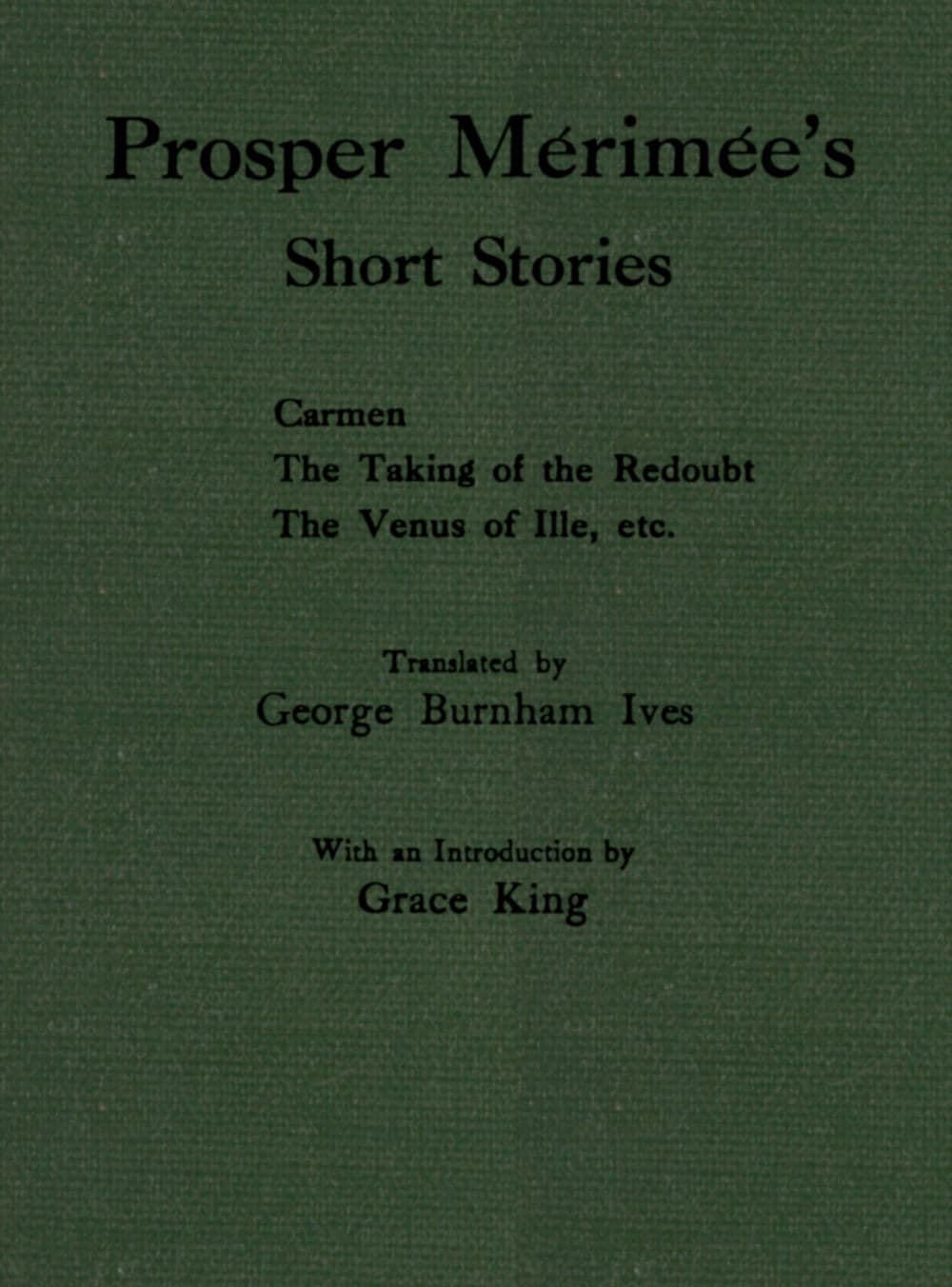
Prosper Mérimée was a French writer, historian, and playwright, best known for his contributions to the literary world during the 19th century. Born in Paris, he was educated at the Lycée Louis-le-Grand and later pursued a career in literature and archaeology. Mérimée's most celebrated work is the novella 'Carmen,' which tells the story of a passionate and tragic love affair between a soldier and a fiery gypsy woman. This work not only inspired Georges Bizet's famous opera but also showcased Mérimée's ability to blend realism with romanticism, capturing the complexities of human emotions and societal norms. In addition to 'Carmen,' Mérimée wrote several other notable works, including 'Colomba' and 'La Venus de Milo,' which reflect his interest in history and culture. His writing often explored themes of love, betrayal, and the clash between tradition and modernity. As a prominent figure in the French literary scene, Mérimée's influence extended beyond his own works; he played a crucial role in the development of the short story genre and inspired later writers with his innovative narrative techniques. His legacy endures through his contributions to literature and his impact on the arts, particularly in how stories can reflect the intricacies of human experience.
Famous Quotes
View all 19 quotesBooks from the author



Link to this page
Add a free, dofollow link to Lex on your blog, forum, syllabus, or reading list.

<a href="https://lex-books.com/author/prosper-mérimée"><img src="https://lex-books.com/badges/read-on-lex.svg" alt="Prosper Mérimée on Lex" width="160" height="40"></a>[](https://lex-books.com/author/prosper-mérimée)[url=https://lex-books.com/author/prosper-mérimée][img]https://lex-books.com/badges/read-on-lex.svg[/img][/url]Prosper Mérimée on Lex: https://lex-books.com/author/prosper-mérimée