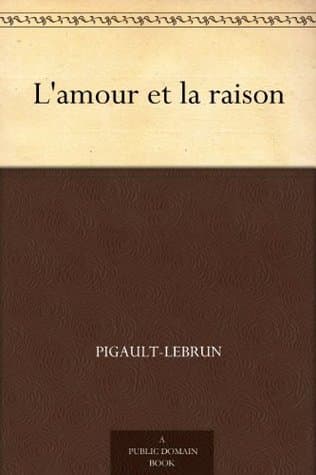
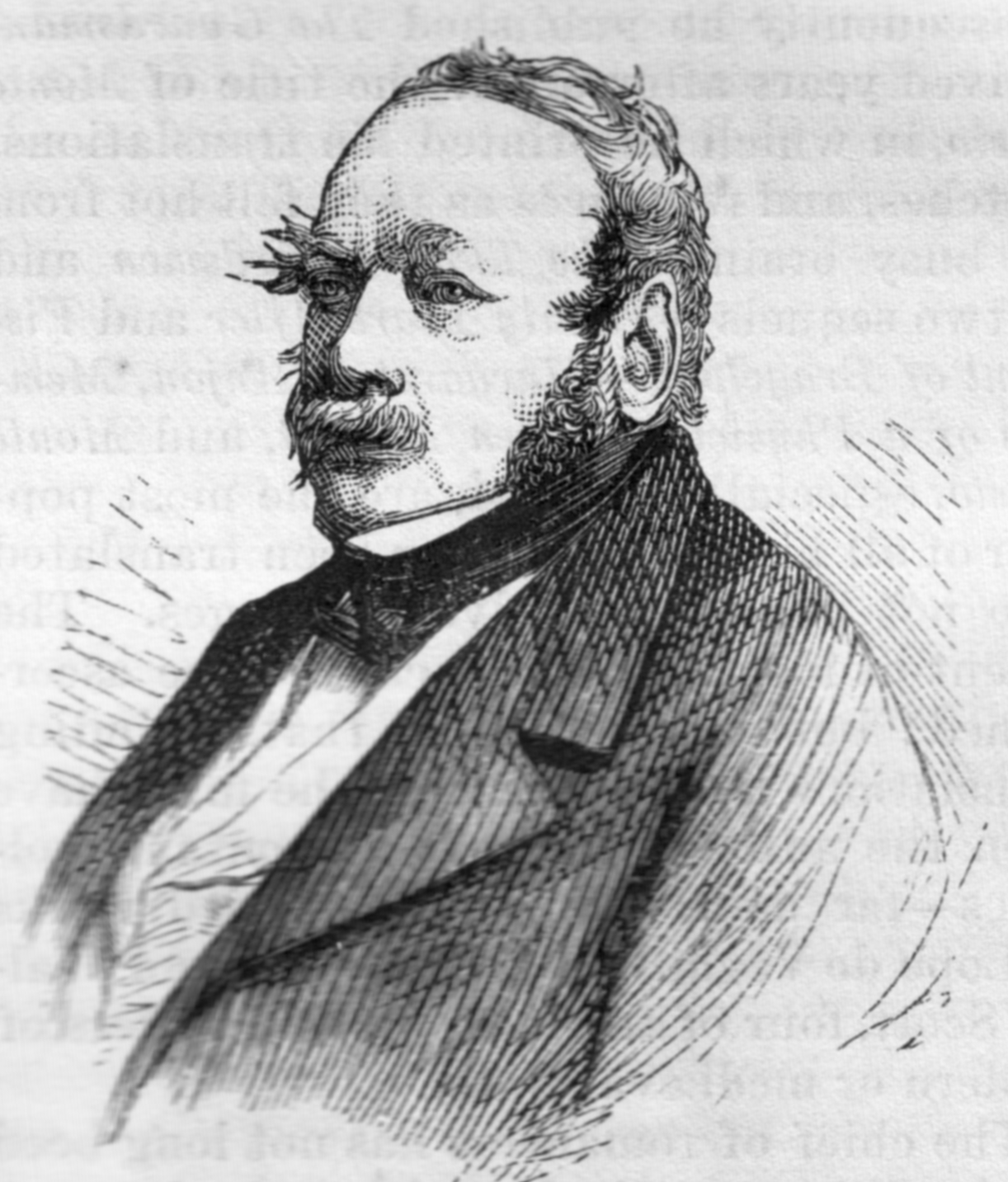
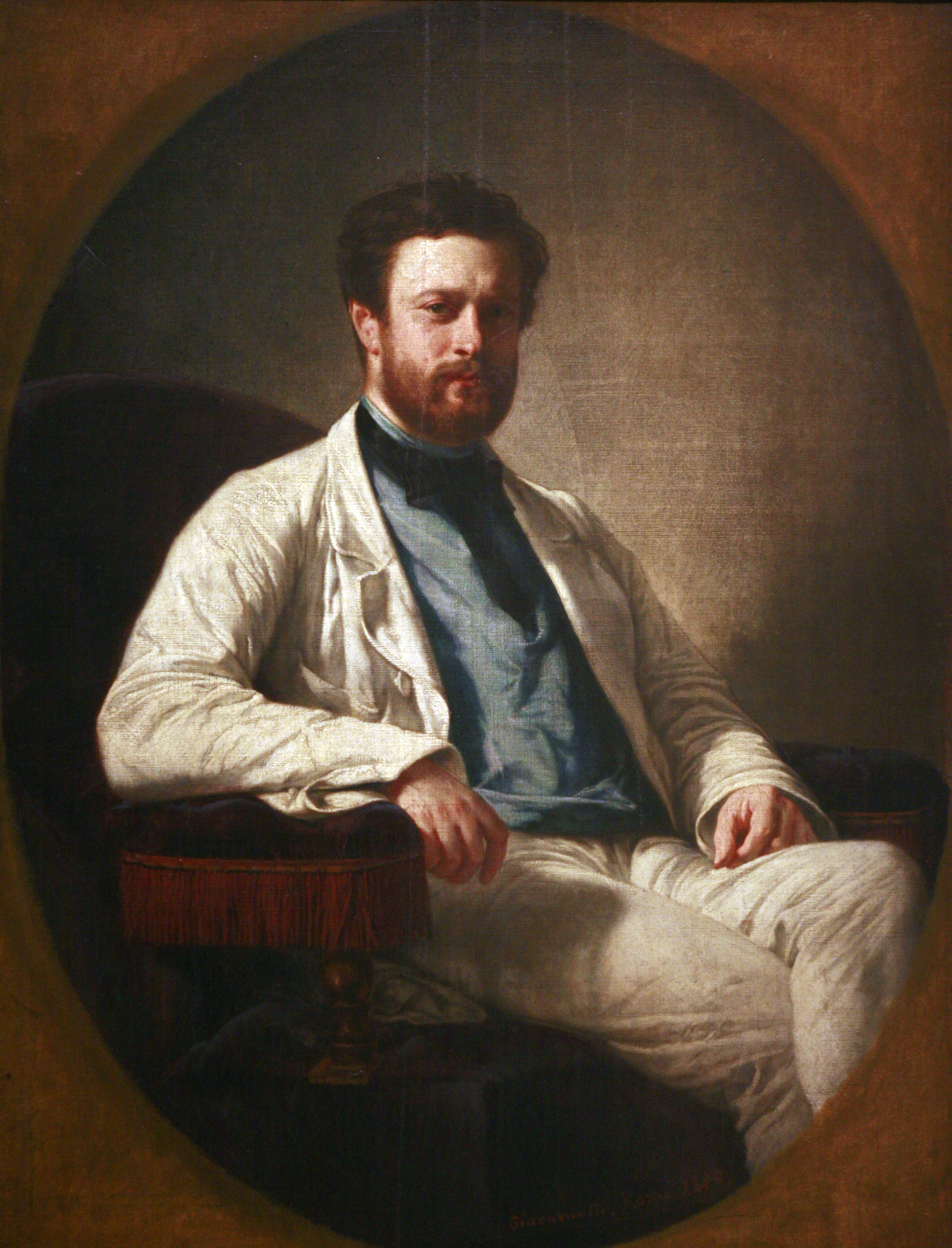
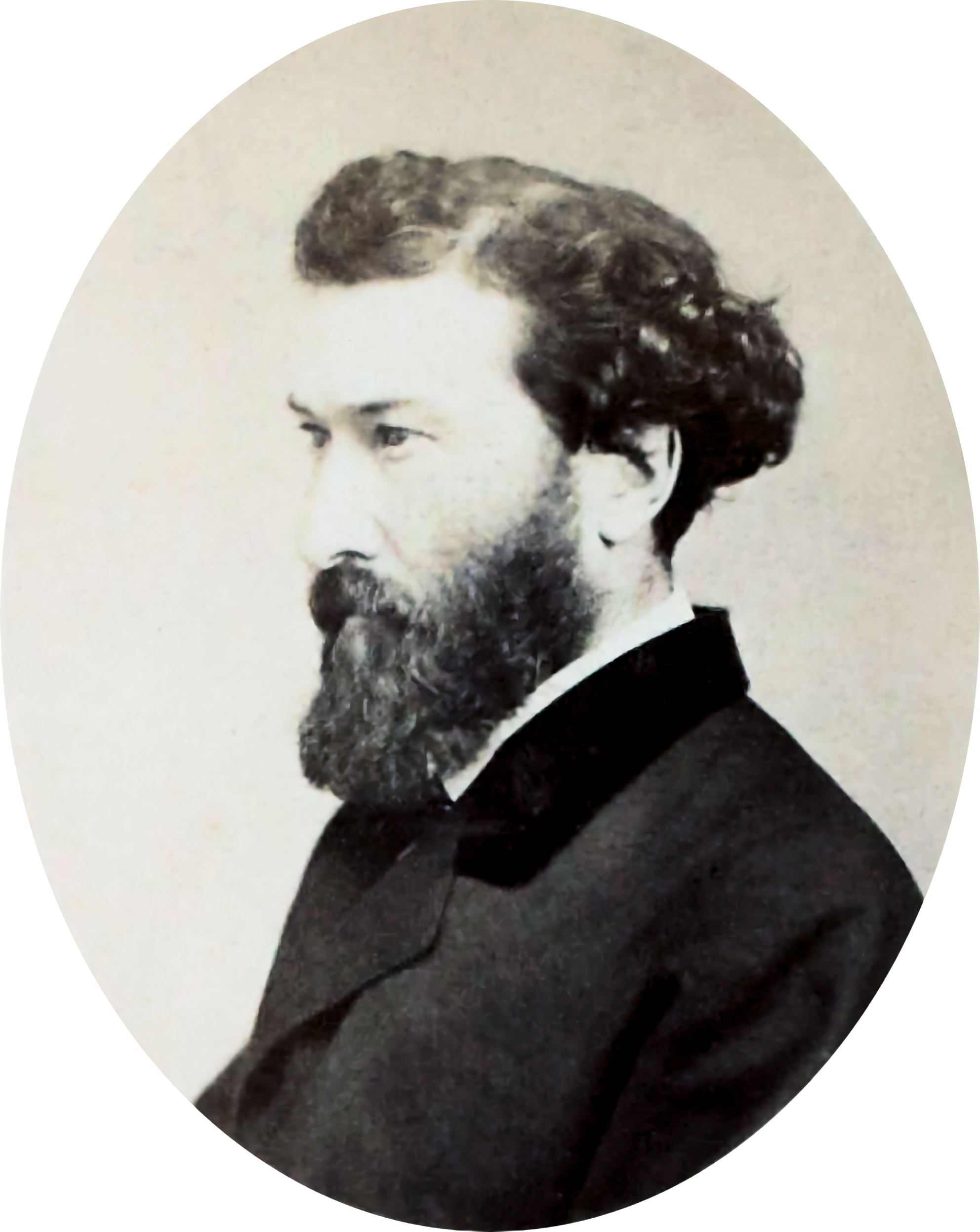
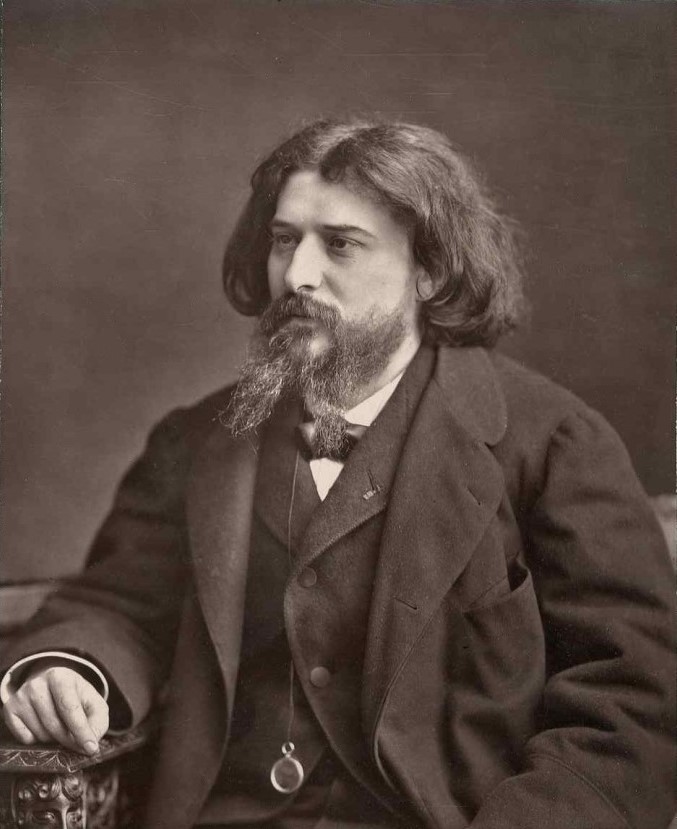
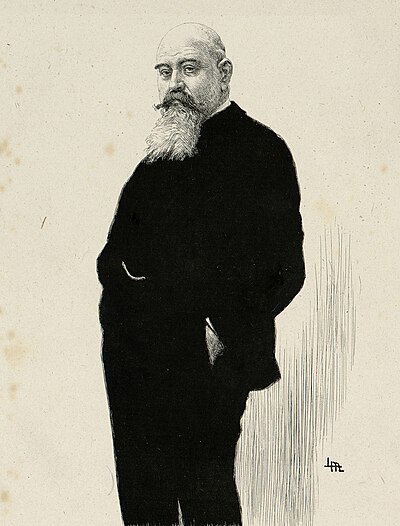
Pigault-Lebrun
Pigault-Lebrun was a French novelist known for his contributions to the genre of romantic fiction during the late 18th and early 19th centuries. Born in 1753, he began his literary career in a period marked by the upheaval of the French Revolution, which influenced the themes and styles of his works. His novels often explored the complexities of love and social dynamics, reflecting the changing attitudes of his time. Among his notable works are "Les Aventures de François" and "La Famille de Poupard," which showcase his ability to blend humor with social commentary, making him a precursor to later romantic writers. Pigault-Lebrun's significance lies in his role as a bridge between the Enlightenment and the burgeoning Romantic movement. His narratives often featured strong emotional undercurrents and intricate character development, paving the way for future authors who would delve deeper into the psychological aspects of their characters. Despite being overshadowed by contemporaries like Stendhal and Balzac, Pigault-Lebrun's innovative storytelling and exploration of human relationships left a lasting impact on French literature, earning him a place in the literary history of the period. He passed away in 1835, but his works continue to be studied for their insights into the evolution of the novel in France.
Books from the author