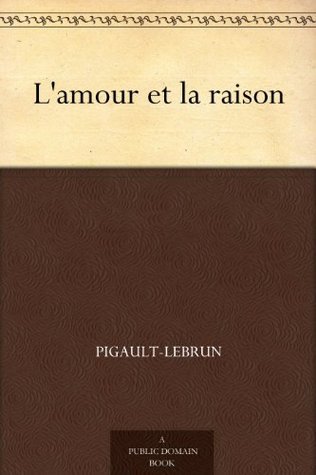
France, 1790. The Revolution brews outside, but inside a Parisian apartment, another war rages: the war between the heart and social obligation. Hortense, a young widow, faces a choice that seems practical yet feels like a slow surrender. Mondor, her late husband's faithful friend, offers respectability and security. Auguste, her fiery young cousin, offers something far more perilous: the terrifying prospect of wanting something simply because it makes her happy. When Auguste declares his passion, the comedy unfolds not through melodrama but through the exquisite torture of choosing between what makes sense and what makes feel alive. Pigault-Lebrun wrote this comedy with the keen eye of someone who understood that love rarely arrives at a convenient hour. The play crackles with the tension between duty and desire, between the life others blueprint for us and the one we actually want to live. Nearly 250 years later, it still hits because the math hasn't changed: sensible choices rarely feel like love, and love rarely feels sensible. For readers who relish French wit, period drama, and the eternal question of whether following your heart is bravery or recklessness.