From Bapaume to Passchendaele, 1917
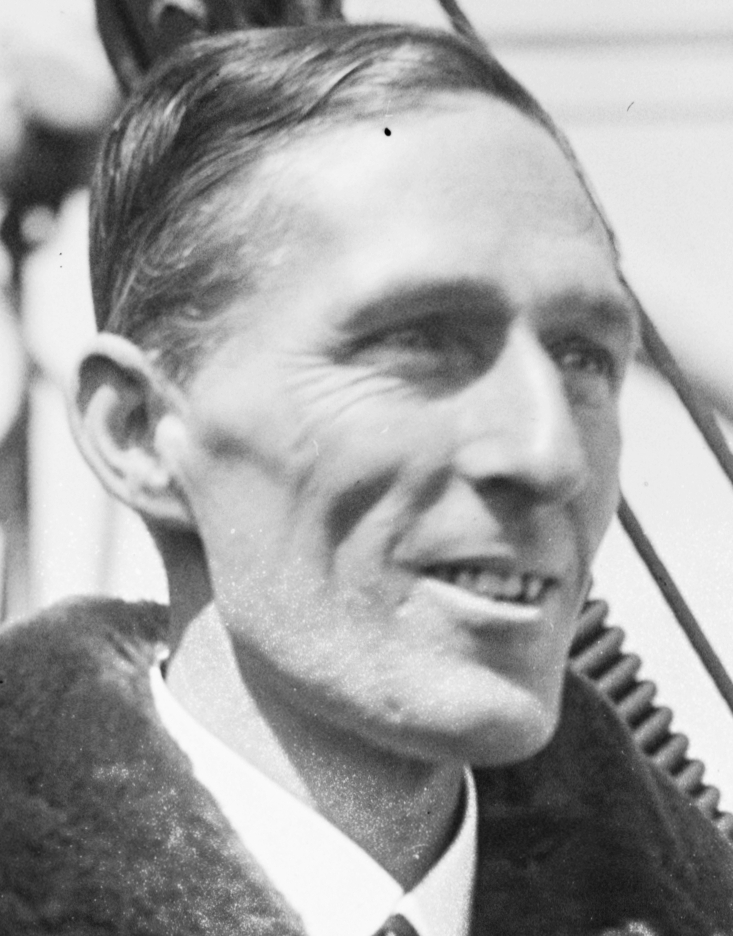
The year 1917 was the bloodiest year of the Great War, and Philip Gibbs was there to witness it. As the official war correspondent embedded with the British Expeditionary Force, Gibbs walked through the smoldering ruins of Bapaume weeks after its capture, waded through the bottomless mud of Passchendaele where men drowned in shell craters, and recorded what he saw with unflinching clarity. This is not a military history of grand strategies. It is the record of one man's attempt to make sense of industrialized slaughter, to find language for the corpses piled in forgotten trenches and the silence of villages reduced to rubble. Gibbs captures the terrible arithmetic of the Western Front: months of grinding offensive yield a few thousand yards of contested mud, while a generation of young men disappears into the earth. His prose is spare and haunted, without patriotism or propaganda, bearing witness to what he called 'the grim truth of war.'
Editions
Link to this book
Add a free, dofollow link to Lex on your blog, forum, syllabus, or reading list.

<a href="https://lex-books.com/book/from-bapaume-to-passchendaele-1917-48add3bb-e86e-4405-a4b5-56a9184b50b6"><img src="https://lex-books.com/badges/read-on-lex.svg" alt="Read From Bapaume to Passchendaele, 1917 by Philip Gibbs free on Lex" width="160" height="40"></a>[](https://lex-books.com/book/from-bapaume-to-passchendaele-1917-48add3bb-e86e-4405-a4b5-56a9184b50b6)[url=https://lex-books.com/book/from-bapaume-to-passchendaele-1917-48add3bb-e86e-4405-a4b5-56a9184b50b6][img]https://lex-books.com/badges/read-on-lex.svg[/img][/url]Read From Bapaume to Passchendaele, 1917 by Philip Gibbs free on Lex: https://lex-books.com/book/from-bapaume-to-passchendaele-1917-48add3bb-e86e-4405-a4b5-56a9184b50b6Cite this book
Reading this edition for a paper or guide? Copy a citation.
Gibbs, Philip. From Bapaume to Passchendaele, 1917. Lex, lex-books.com/book/from-bapaume-to-passchendaele-1917-48add3bb-e86e-4405-a4b5-56a9184b50b6.Gibbs, P. (n.d.). From Bapaume to Passchendaele, 1917. Lex. https://lex-books.com/book/from-bapaume-to-passchendaele-1917-48add3bb-e86e-4405-a4b5-56a9184b50b6Gibbs, Philip. From Bapaume to Passchendaele, 1917. Lex. https://lex-books.com/book/from-bapaume-to-passchendaele-1917-48add3bb-e86e-4405-a4b5-56a9184b50b6.