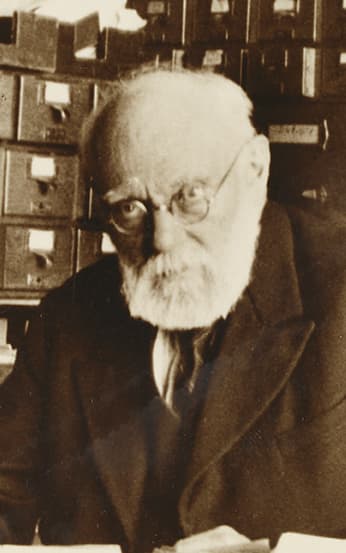
Paul Otlet
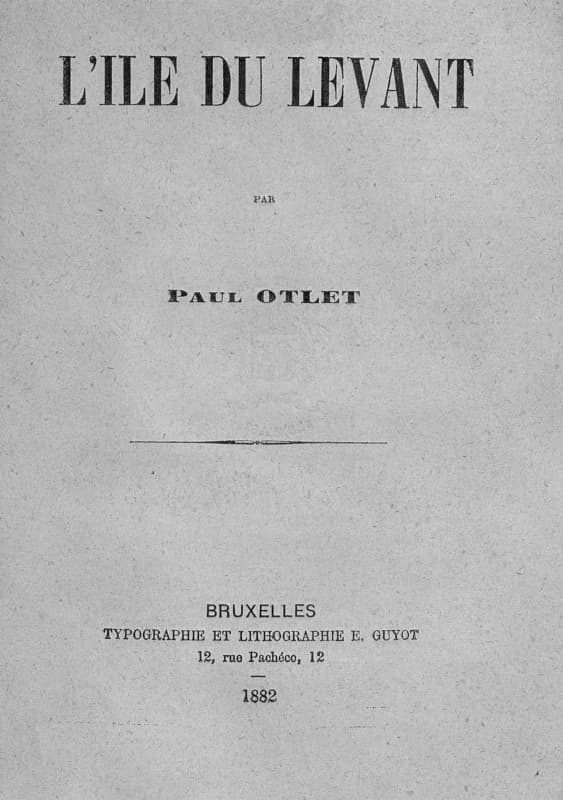
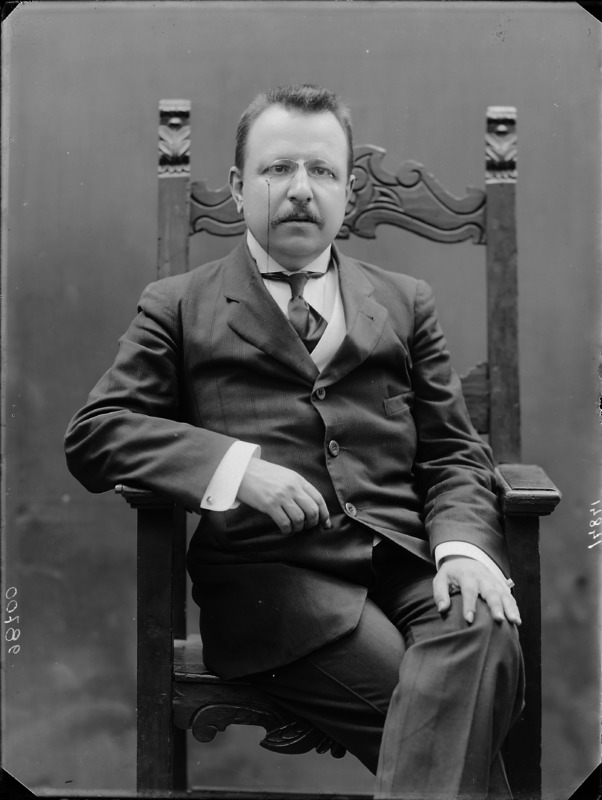
Paul Otlet was a Belgian author, lawyer, and peace activist who played a pivotal role in the development of documentalism, a precursor to modern information science. He is best known for creating the Universal Decimal Classification, a system that revolutionized the organization of knowledge and laid the groundwork for contemporary classification methods. Otlet's innovative thinking extended to the creation of the "Repertoire Bibliographique Universel," an early information retrieval tool that facilitated the organization and access of vast amounts of information. His seminal works, including "Traité de Documentation" (1934) and "Monde: Essai d'universalisme" (1935), outlined his vision for the systematic collection and connection of knowledge, drawing parallels to the functionalities of the internet and search engines today. In 1907, Otlet co-founded the Central Office of International Associations with Henri La Fontaine, which evolved into the Union of International Associations. This organization, still active today, reflects Otlet's commitment to fostering international cooperation and knowledge sharing. He also established the Mundaneum, an ambitious project aimed at centralizing global knowledge and promoting peace through information. Otlet's contributions to the field of information organization and retrieval have had a lasting impact, influencing the way knowledge is categorized and accessed in the digital age, ensuring his legacy as a pioneer in the quest for universal knowledge.
Books from the author



Link to this page
Add a free, dofollow link to Lex on your blog, forum, syllabus, or reading list.

<a href="https://lex-books.com/author/paul-otlet"><img src="https://lex-books.com/badges/read-on-lex.svg" alt="Paul Otlet on Lex" width="160" height="40"></a>[](https://lex-books.com/author/paul-otlet)[url=https://lex-books.com/author/paul-otlet][img]https://lex-books.com/badges/read-on-lex.svg[/img][/url]Paul Otlet on Lex: https://lex-books.com/author/paul-otlet