
Paul Marty
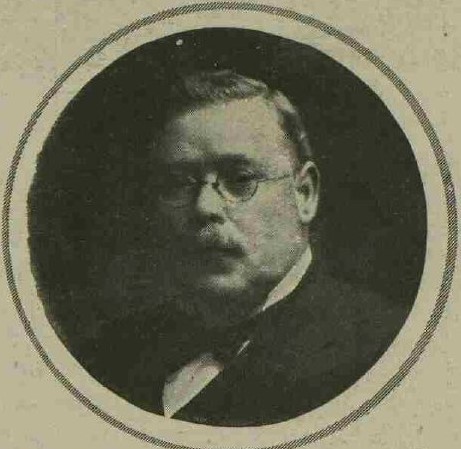
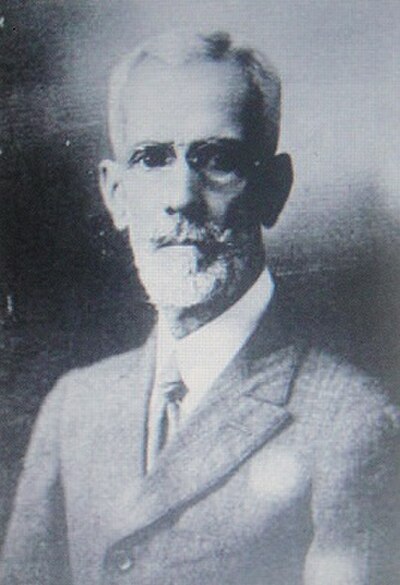
Paul Marty was a French military officer and colonial administrator whose work significantly contributed to the understanding of Islam in the early 20th century. Born in Boufarik, Algeria, he navigated a complex cultural landscape that informed his writings and interpretations of Islamic practices and beliefs. Marty's experiences in North Africa and his engagement with local communities provided him with unique insights into the religion and its sociopolitical context, which he articulated in his scholarly works. Among his notable contributions are his writings that explored the intricacies of Islamic culture and the impact of colonialism on Muslim societies. His analyses were not only academic but also aimed at fostering a deeper understanding between the West and the Islamic world. Marty's legacy lies in his role as a bridge between cultures, as he sought to illuminate the nuances of Islamic traditions during a time of significant geopolitical change. His work remains a reference point for scholars interested in the intersections of colonialism, religion, and cultural identity in the modern era.
Famous Quotes
View all 1 quotes“Pick a leaf off a plant and show it to your children. Ask them what it is and what it tells us. Draw them out for a short while. Hold the leaf in your fingers and say, “One little leaf is all we need to know that God is real. Paul tells us in the book of Romans that everyone can see God’s power and knows that he is real by looking at the things God made. Every plant leaf is made up of millions of cells that use sunlight and water to make sugar for the plant to use for food! This week you will learn about God’s marvelous creation.””
Books from the author


Link to this page
Add a free, dofollow link to Lex on your blog, forum, syllabus, or reading list.

<a href="https://lex-books.com/author/paul-marty"><img src="https://lex-books.com/badges/read-on-lex.svg" alt="Paul Marty on Lex" width="160" height="40"></a>[](https://lex-books.com/author/paul-marty)[url=https://lex-books.com/author/paul-marty][img]https://lex-books.com/badges/read-on-lex.svg[/img][/url]Paul Marty on Lex: https://lex-books.com/author/paul-marty