Paul Broca
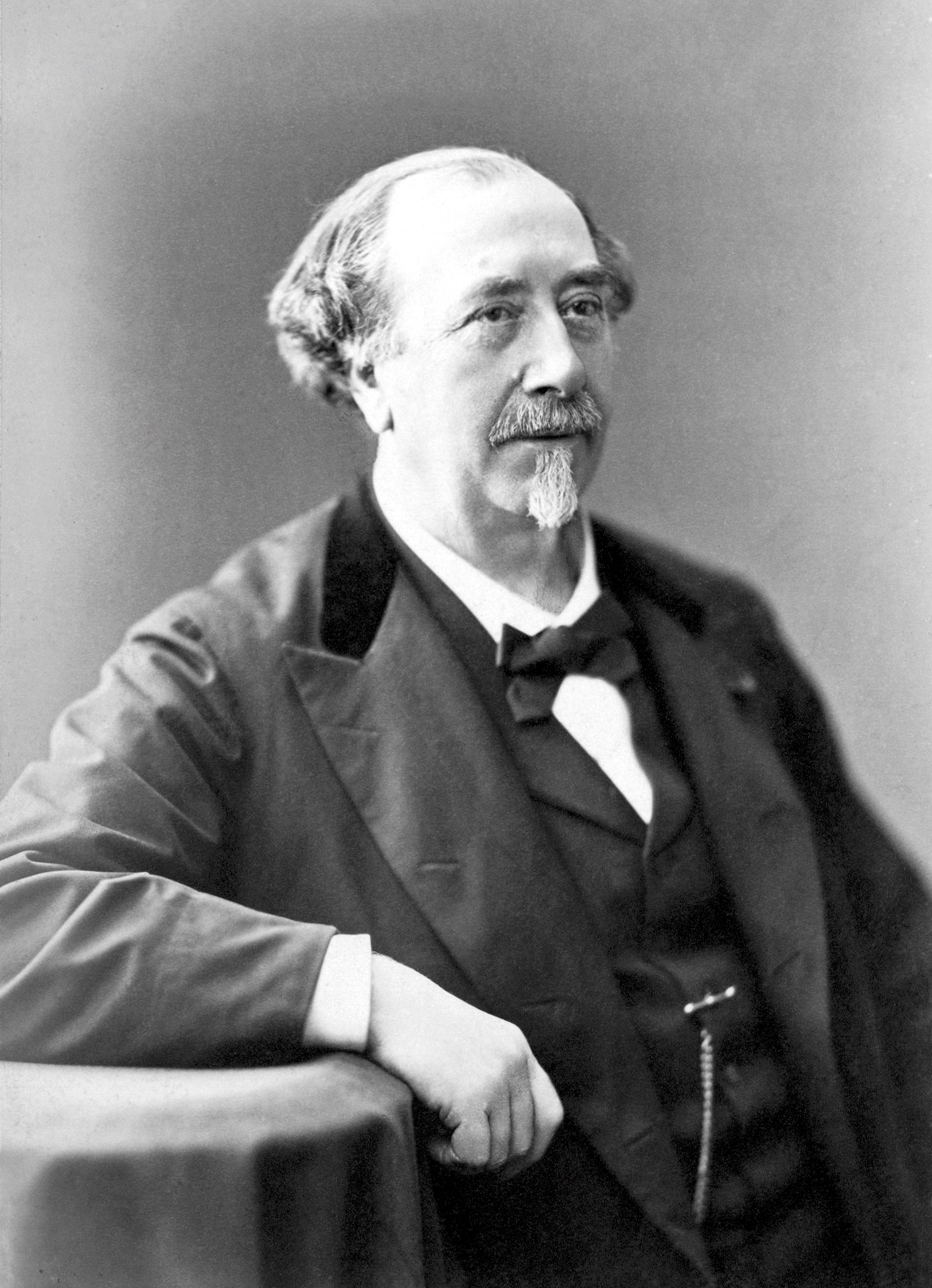
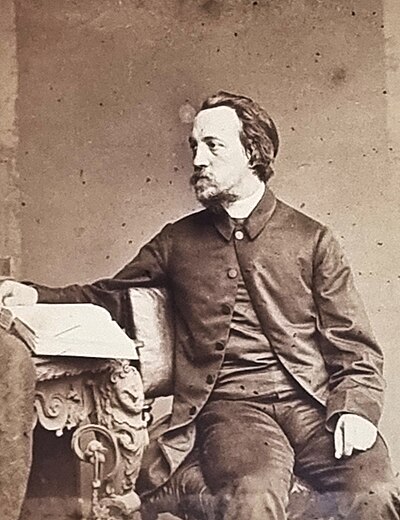
Paul Broca was a pioneering French physician, anatomist, and anthropologist renowned for his groundbreaking research on the brain's role in language. His most significant contribution, the identification of Broca's area, a specific region in the frontal lobe, provided the first anatomical evidence for the localization of brain function. This discovery was pivotal in understanding aphasia, as Broca demonstrated that lesions in this area correlated with language deficits, thereby transforming the field of neurology and laying the groundwork for future studies on brain function and language processing. In addition to his work in neurology, Broca made notable contributions to physical anthropology, particularly in the fields of anthropometry and craniometry. His controversial views on race, which posited that different racial groups were distinct species and that racial mixing could lead to sterility, reflected the scientific attitudes of his time but have since been discredited. Despite these contentious beliefs, Broca's legacy endures through his contributions to the understanding of brain anatomy and function, influencing both medical science and the study of human evolution.
Famous Quotes
View all 4 quotes“Certain brain areas are considered near-inviolable, like the primary motor cortex, damage to which results in paralysis of affected body parts. But the most sacrosanct regions of the cortex are those that control language. Usually located on the left side, they are called Wernicke's & Broca's areas; one is for understanding language & the other for producing it. […]If both areas are damaged, the patient becomes an isolate, something central to her humanity stolen forever. After someone suffers a head trauma or stroke, the destruction of these areas restrains the surgeon's impulse to save a life: what kind of life exists without language?””
“Once, I was doing a late-night case with one of the neurosurgery attendings, a suboccipital craniectomy for a brain-stem malformation. It’s one of the most elegant surgeries, in perhaps the most difficult part of the body”
“The most sacrosanct regions of the cortex are those that control language. Usually located on the left side, they are called Wernicke’s and Broca’s areas; one is for understanding language and the other for producing it. Damage to Broca’s area results in an inability to speak or write, though the patient can easily understand language. Damage to Wernicke’s area results in an inability to understand language; though the patient can still speak, the language she produces is a stream of unconnected words, phrases, and images, a grammar without semantics. If both areas are damaged, the patient becomes an isolate, something central to her humanity stolen forever. After someone suffers a head trauma or a stroke, the destruction of these areas often restrains the surgeon’s impulse to save a life: What kind of life exists without language?””
Books from the author


Link to this page
Add a free, dofollow link to Lex on your blog, forum, syllabus, or reading list.

<a href="https://lex-books.com/author/paul-broca"><img src="https://lex-books.com/badges/read-on-lex.svg" alt="Paul Broca on Lex" width="160" height="40"></a>[](https://lex-books.com/author/paul-broca)[url=https://lex-books.com/author/paul-broca][img]https://lex-books.com/badges/read-on-lex.svg[/img][/url]Paul Broca on Lex: https://lex-books.com/author/paul-broca