Paul Boldt
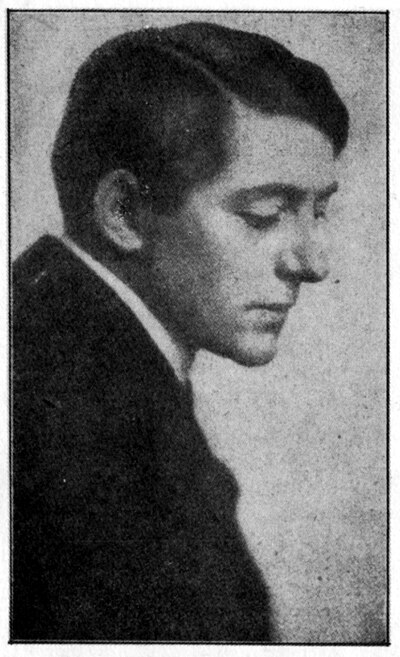
Paul Boldt was a notable figure in German Expressionism, emerging from the rural landscape of Christfelde, West Prussia. After completing his secondary education, he pursued philology at various universities, including Munich, Marburg, and Berlin, although he never obtained a degree. In Berlin, he immersed himself in the vibrant artistic community, frequenting cafes that served as hubs for writers and artists. It was during this period that he began to craft his own poetry, with his first works appearing in the influential magazine Die Aktion in 1912. Boldt's only published collection, Junge Pferde! Junge Pferde! (Young Horses! Young Horses), was released in 1914, showcasing his unique voice and the themes prevalent in Expressionist literature, such as the exploration of individuality and emotional depth. Despite his brief life, ending in 1921, Boldt's contributions to the Expressionist movement left a lasting impact on German literature. His poetry, characterized by its vivid imagery and emotional intensity, reflected the tumultuous spirit of his time, capturing the anxieties and aspirations of a generation. Though not widely known today, Boldt's work remains significant for its innovative approach to poetic form and its exploration of the human experience, marking him as an important, if often overlooked, voice in early 20th-century literature.


Link to this page
Add a free, dofollow link to Lex on your blog, forum, syllabus, or reading list.

<a href="https://lex-books.com/author/paul-boldt"><img src="https://lex-books.com/badges/read-on-lex.svg" alt="Paul Boldt on Lex" width="160" height="40"></a>[](https://lex-books.com/author/paul-boldt)[url=https://lex-books.com/author/paul-boldt][img]https://lex-books.com/badges/read-on-lex.svg[/img][/url]Paul Boldt on Lex: https://lex-books.com/author/paul-boldt