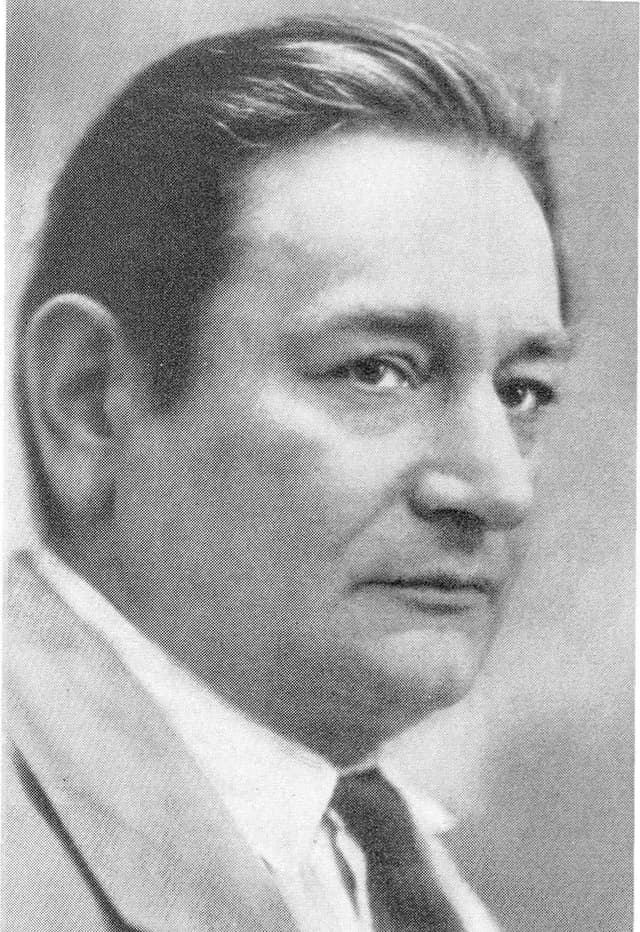
Paul Bekker
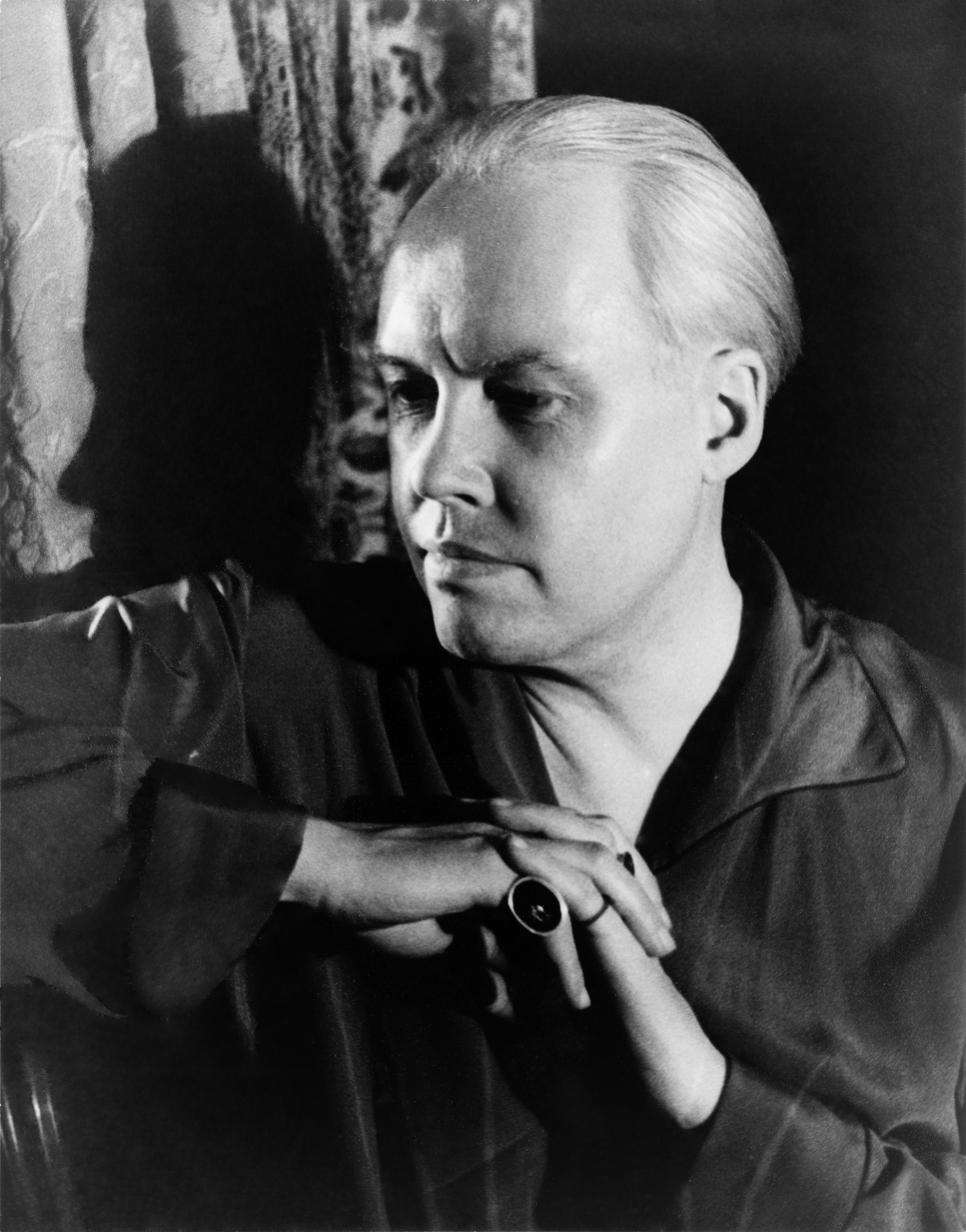
Paul Bekker was a prominent German music critic and author known for his insightful analyses and eloquent prose. He served as the chief music critic for the Frankfurter Zeitung from 1911 to 1923, where his writings showcased his extensive theoretical and practical knowledge of music. Bekker's critiques were marked by a brilliant style that captivated readers and influenced the discourse on music in his time. Later, he took on a similar role at the New Yorker Staats-Zeitung from 1934 until his death in 1937, further solidifying his reputation in the field. Bekker's contributions to music criticism were significant, as he not only reviewed performances but also engaged with the broader cultural implications of music. His work helped to elevate the status of music criticism as a serious literary pursuit. Through his writings, Bekker explored the intersections of music, society, and art, making him a key figure in the cultural landscape of early 20th-century Germany. His legacy endures in the realm of music journalism, where his standards of critique continue to inspire future generations of critics and writers.
Books from the author










Link to this page
Add a free, dofollow link to Lex on your blog, forum, syllabus, or reading list.

<a href="https://lex-books.com/author/paul-bekker"><img src="https://lex-books.com/badges/read-on-lex.svg" alt="Paul Bekker on Lex" width="160" height="40"></a>[](https://lex-books.com/author/paul-bekker)[url=https://lex-books.com/author/paul-bekker][img]https://lex-books.com/badges/read-on-lex.svg[/img][/url]Paul Bekker on Lex: https://lex-books.com/author/paul-bekker