Patañjali
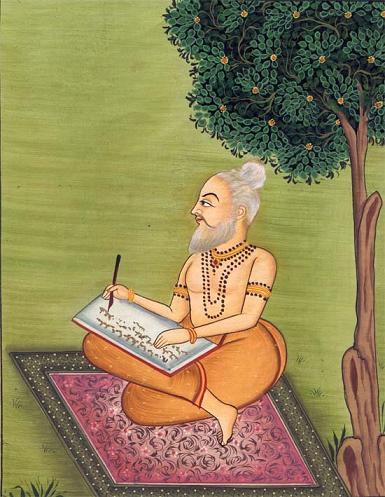
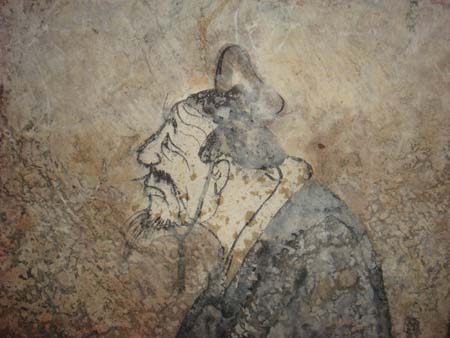
Patañjali was an ancient Indian sage and philosopher, best known for his foundational work in the field of yoga and grammar. He is traditionally credited with compiling the "Yoga Sutras," a seminal text that outlines the philosophy and practice of yoga, emphasizing the importance of meditation, ethical conduct, and the pursuit of spiritual enlightenment. This work has had a profound influence on the development of yoga as both a spiritual discipline and a physical practice, shaping the understanding of yoga in various cultures and traditions throughout history. In addition to his contributions to yoga, Patañjali is also recognized for his work in linguistics, particularly through the "Mahābhāṣya," a commentary on Panini's grammar. This text not only elucidates the rules of Sanskrit grammar but also incorporates philosophical insights, showcasing Patañjali's dual expertise in language and spirituality. His legacy endures in the realms of philosophy, spirituality, and linguistics, making him a pivotal figure in the intellectual history of India and beyond, as his teachings continue to inspire practitioners and scholars alike.
Famous Quotes
View all 17 quotes“It is only when the correct practice is followed for a long time, without interruptions and with a quality of positive attitude and eagerness, that it can succeed.””
“Distractions arise from habitual thought patterns when practice is intermittent.””
“Life cannot be known by the “mind,” its secrets cannot be learned through the “mind.” The proof is, the ceaseless strife and contradiction of opinion among those who trust in the mind. Much less can the “mind” know itself, the more so, because it is pervaded by the illusion that it truly knows, truly is.””
Books from the author






Link to this page
Add a free, dofollow link to Lex on your blog, forum, syllabus, or reading list.

<a href="https://lex-books.com/author/patañjali"><img src="https://lex-books.com/badges/read-on-lex.svg" alt="Patañjali on Lex" width="160" height="40"></a>[](https://lex-books.com/author/patañjali)[url=https://lex-books.com/author/patañjali][img]https://lex-books.com/badges/read-on-lex.svg[/img][/url]Patañjali on Lex: https://lex-books.com/author/patañjali