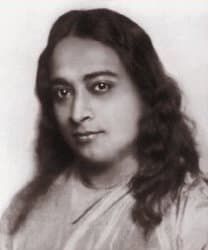
Paramahansa Yogananda
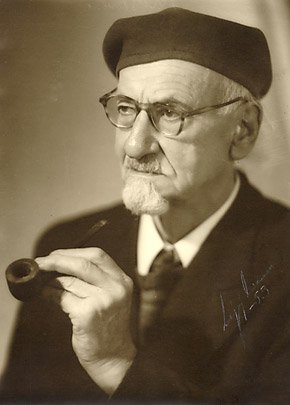
Paramahansa Yogananda, born Mukunda Lal Ghosh, was an influential Indian and American Hindu monk, yogi, and guru who played a pivotal role in introducing Eastern spirituality to the West. After immigrating to the United States at the age of 27, he founded the Self-Realization Fellowship and the Yogoda Satsanga Society of India, organizations dedicated to disseminating his teachings on meditation and Kriya Yoga. As a chief disciple of Swami Sri Yukteswar Giri, Yogananda aimed to bridge the gap between Eastern and Western religions, advocating for a harmonious balance between material growth and spiritual development. His arrival in Boston in 1920 marked the beginning of a successful speaking tour that would establish him as a prominent figure in American spirituality. Yogananda's impact on the American yoga movement was profound, earning him the title of the "Father of Yoga in the West." He was among the first Indian spiritual leaders to settle in the U.S. and gained significant recognition, including an invitation to the White House by President Calvin Coolidge in 1927. Over his 32 years in America, he created a monastic order, initiated thousands into Kriya Yoga, and expanded his organization to over 100 centers by the time of his passing in 1952. His teachings, emphasizing "plain living and high thinking," attracted a diverse following and continue to influence spiritual seekers today, ensuring his legacy as a transformative figure in the global spiritual landscape.
Famous Quotes
View all 3 quotes“Live quietly in the moment and see the beauty of all before you. The future will take care of itself......”
“Be as simple as you can be; you will be astonished to see how uncomplicated and happy your life can become.”
“You may control a mad elephant; You may shut the mouth of the bear and the tiger; Ride the lion and play with the cobra; By alchemy you may learn your livelihood; You may wander through the universe incognito; Make vassals of the gods; be ever youthful; You may walk in water and live in fire; But control of the mind is better and more difficult.”
Books from the author




Link to this page
Add a free, dofollow link to Lex on your blog, forum, syllabus, or reading list.

<a href="https://lex-books.com/author/paramahansa-yogananda"><img src="https://lex-books.com/badges/read-on-lex.svg" alt="Paramahansa Yogananda on Lex" width="160" height="40"></a>[](https://lex-books.com/author/paramahansa-yogananda)[url=https://lex-books.com/author/paramahansa-yogananda][img]https://lex-books.com/badges/read-on-lex.svg[/img][/url]Paramahansa Yogananda on Lex: https://lex-books.com/author/paramahansa-yogananda