
Stephen McKenna
Stephen McKenna was an Irish novelist and playwright known for his keen observations of human nature and society. Born in 1888 in County Kerry, he spent much of his life in England, where he became part of the literary scene. McKenna's works often explored themes of identity, morality, and the complexities of human relationships. His notable novels include "The Last of the Irish" and "The Man Who Knew Too Much," which reflect his interest in the psychological dimensions of his characters and the social issues of his time. McKenna's literary significance lies in his ability to blend humor with serious social commentary, making his stories both engaging and thought-provoking. He was known for his distinctive narrative style, which combined elements of realism with a touch of the fantastical. His contributions to literature, particularly in the early 20th century, helped pave the way for future Irish writers who sought to address the intricacies of modern life. Despite not achieving the same level of fame as some of his contemporaries, McKenna's works continue to be appreciated for their depth and insight into the human condition, securing his legacy as a notable figure in Irish literature.
Famous Quotes
View all 1 quotes“One more serious word . . . my conscience won't allow me to pass as a Plotinian: I loved the work . . . but I was never convinced by the philosophy or the ethic of it: I'm a secularist agnostic: I don't know anything about the Soul or the Divine or Immortality or anything of that order, and I do believe in this life: I hate those who hate the world: had I children I'd try to lead them to love beauty, nobility, even what I vaguely call Spirituality; but I'd want them to get and give all the good of the world, and the honourable or not dishonourable pleasure of it-of course I'd want them to think and work out what is the real pleasure, what is the false, deceptive-but to them, to themselves, not by any law of Moses or Plotinus or Daddy Stephen MacKenna. Plotinus and all the Mystics and Gospels of all the creeds are to my mind valuable as corrective, as poetry, as suggestion, as windows opening on to vistas of the possible: as law, as dogma, wicked.”
Books from the author
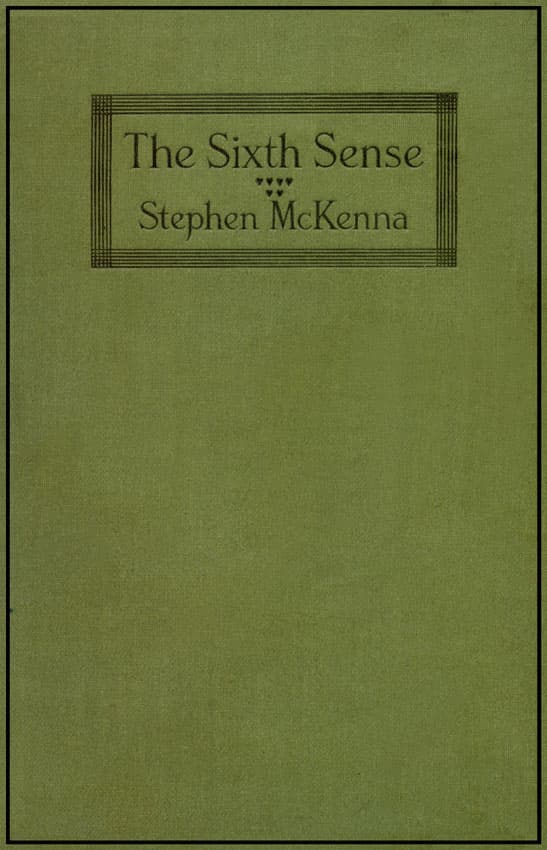
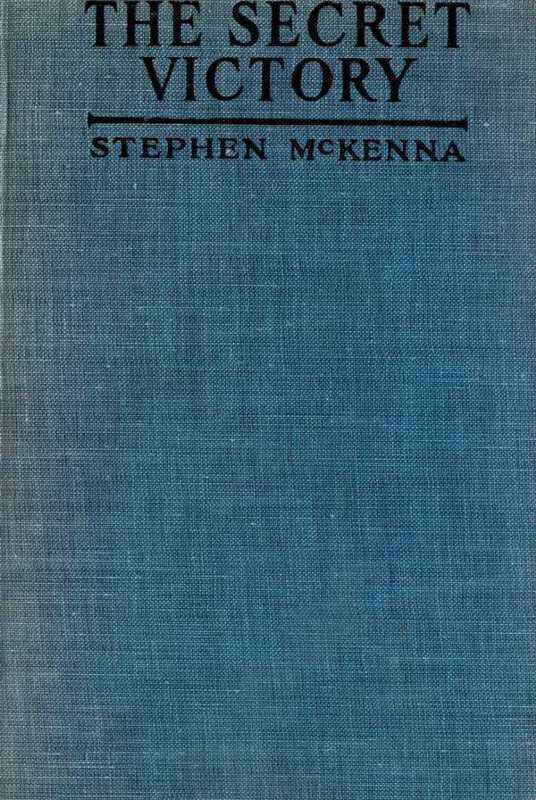
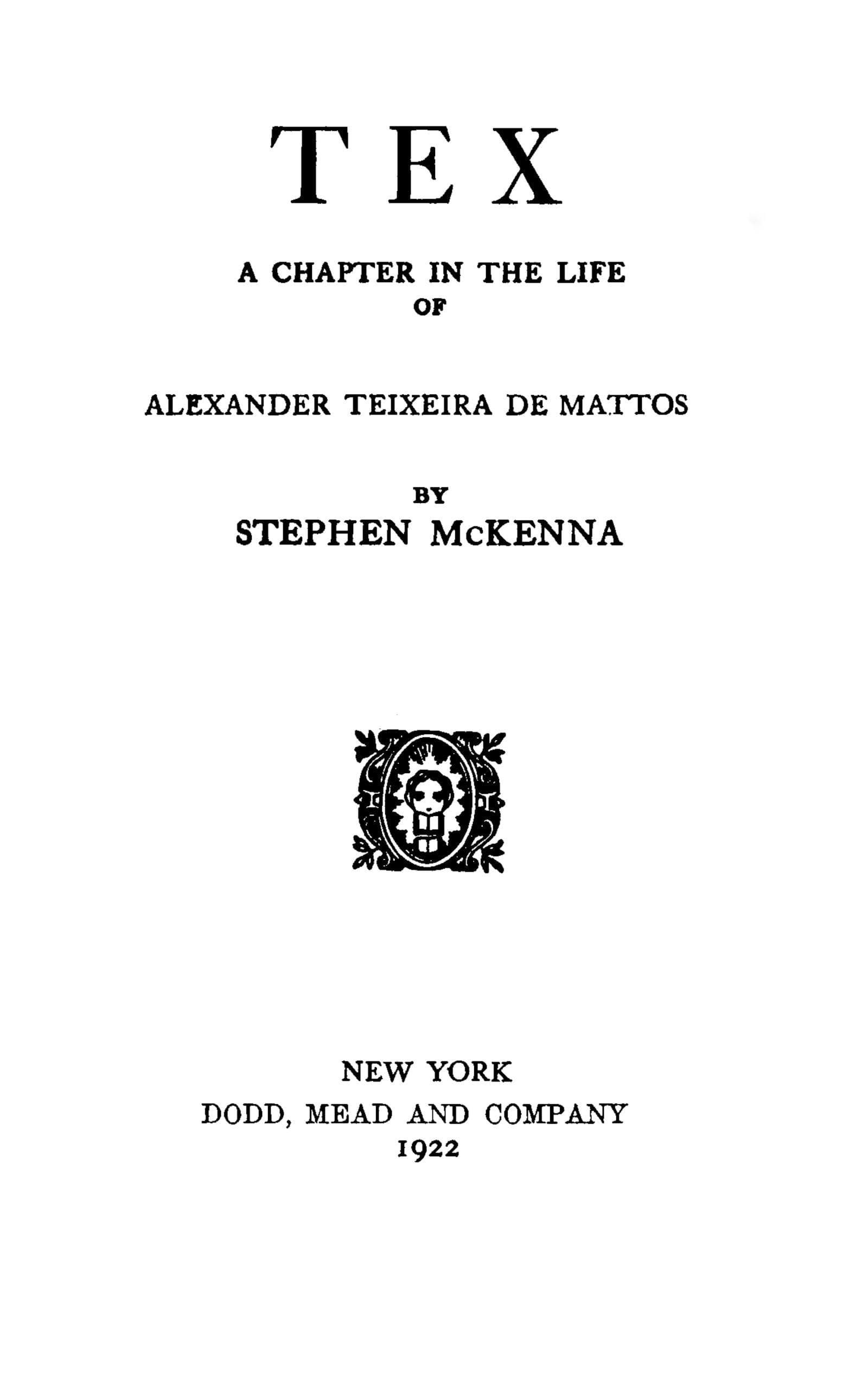
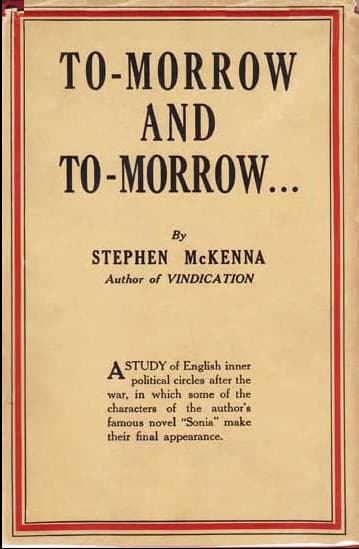
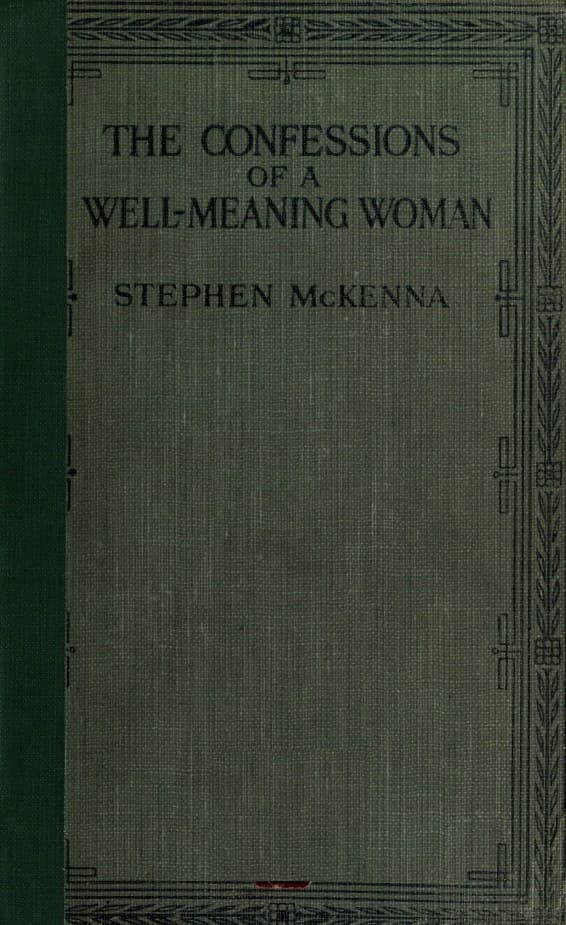

Link to this page
Add a free, dofollow link to Lex on your blog, forum, syllabus, or reading list.

<a href="https://lex-books.com/author/stephen-mckenna"><img src="https://lex-books.com/badges/read-on-lex.svg" alt="Stephen McKenna on Lex" width="160" height="40"></a>[](https://lex-books.com/author/stephen-mckenna)[url=https://lex-books.com/author/stephen-mckenna][img]https://lex-books.com/badges/read-on-lex.svg[/img][/url]Stephen McKenna on Lex: https://lex-books.com/author/stephen-mckenna