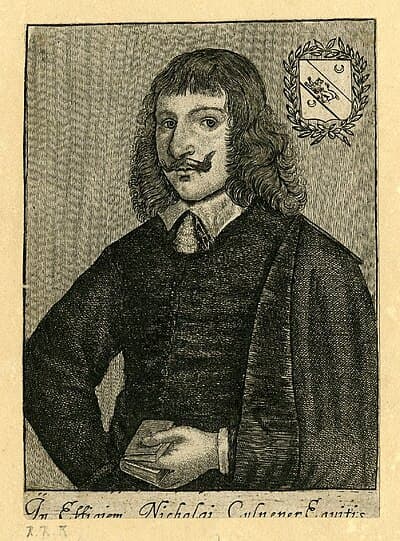
Nicholas Culpeper
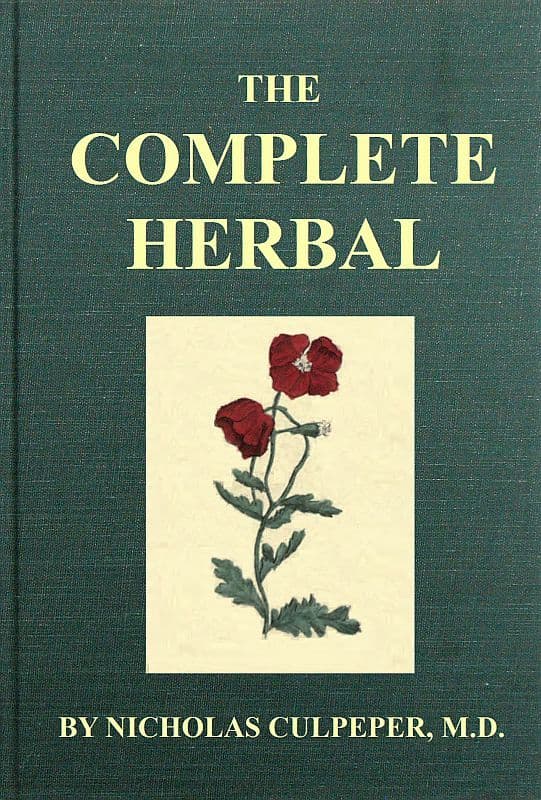
Nicholas Culpeper was an influential English botanist, herbalist, physician, and astrologer whose work significantly impacted the fields of herbal medicine and medical astrology in the 17th century. Born into a notable family, Culpeper's education and experiences led him to challenge the medical practices of his time, advocating for a more natural approach to healing. His seminal work, The English Physitian, published in 1652 and later expanded as Complete Herbal, compiled extensive knowledge of medicinal herbs and their uses, making this information accessible to the general public. This was a radical departure from the elitist medical practices of his contemporaries, who often relied on complex theories and Latin texts that were not available to the average person. Culpeper's other significant contribution, Astrological Judgement of Diseases from the Decumbiture of the Sick, published posthumously in 1655, delved into the intersection of astrology and medicine, reflecting the prevalent beliefs of the time. His cataloging of hundreds of outdoor medicinal herbs not only showcased his deep understanding of nature but also emphasized the importance of empirical observation and experience in medicine. Culpeper's legacy endures as a pioneer of herbalism, influencing both the practice of medicine and the public's understanding of herbal remedies, laying the groundwork for future generations of herbalists and natural healers.
Famous Quotes
View all 3 quotes“This not being pleasing, and less profitable to me, I consulted with my two brothers, Dr. Reason and Dr. Experience, and took a voyage to visit my mother Nature, by whose advice, together with the help of Dr. Diligence, I at last obtained my desire; and, being warned by Mr. Honesty, a stranger in our days, to publish it to the world, I have done it.”
“No man ought to commit his life into the hands of that Physician, who is ignorant of Astrologic: because he is a Physician of no value.”
“Truly my own body being sickly, brought me easily into a capacity, to know that health was the greatest of all earthly blessings, and truly he was never sick that doth not believe it.”
Books from the author




Link to this page
Add a free, dofollow link to Lex on your blog, forum, syllabus, or reading list.

<a href="https://lex-books.com/author/nicholas-culpeper"><img src="https://lex-books.com/badges/read-on-lex.svg" alt="Nicholas Culpeper on Lex" width="160" height="40"></a>[](https://lex-books.com/author/nicholas-culpeper)[url=https://lex-books.com/author/nicholas-culpeper][img]https://lex-books.com/badges/read-on-lex.svg[/img][/url]Nicholas Culpeper on Lex: https://lex-books.com/author/nicholas-culpeper