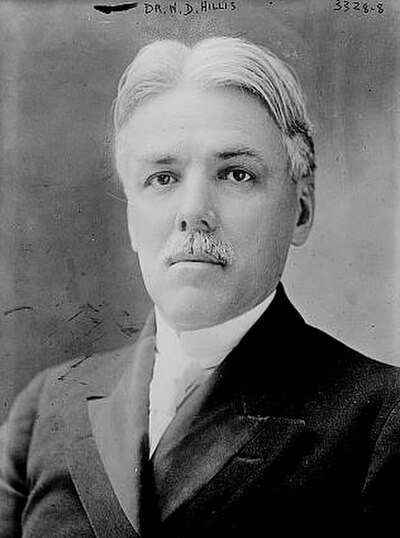
A Man's Value to Society: Studies in Self Culture and Character
A Man's Value to Society: Studies in Self Culture and Character
In an age obsessed with productivity and economic output, this 1895 philosophical treatise asks a radical question: what if our worth to society cannot be measured in coins? Newell Dwight Hillis mounts a passionate argument that civilization advances not through mere labor but through the cultivation of moral character, intellectual depth, and spiritual richness. He indicts his contemporaries for treating humanity as machinery, for discarding lives that might have bloomed into something greater with proper tending. The book opens with a bracing provocation: humans waste both material and spiritual resources on a staggering scale. From this starting point, Hillis builds a case for intentional self-culture. Character is not born but built, through deliberate practice of virtue, expansion of knowledge, and deepening of life experience. The individual who neglects this work does not merely fail themselves but cheats the community of what they might have contributed. For modern readers, Hillis's Victorian earnestness may feel antiquated, yet his central concern remains urgent: in an era that reduces human worth to metrics and output, here is a counter-philosophy that insists we are more than what we produce.
Editions
Link to this book
Add a free, dofollow link to Lex on your blog, forum, syllabus, or reading list.

<a href="https://lex-books.com/book/a-man-s-value-to-society-studies-in-self-culture-and-character-491eebe8-da46-4258-8702-79b4dee44a6d"><img src="https://lex-books.com/badges/read-on-lex.svg" alt="Read A Man's Value to Society: Studies in Self Culture and Character by Newell Dwight Hillis free on Lex" width="160" height="40"></a>[](https://lex-books.com/book/a-man-s-value-to-society-studies-in-self-culture-and-character-491eebe8-da46-4258-8702-79b4dee44a6d)[url=https://lex-books.com/book/a-man-s-value-to-society-studies-in-self-culture-and-character-491eebe8-da46-4258-8702-79b4dee44a6d][img]https://lex-books.com/badges/read-on-lex.svg[/img][/url]Read A Man's Value to Society: Studies in Self Culture and Character by Newell Dwight Hillis free on Lex: https://lex-books.com/book/a-man-s-value-to-society-studies-in-self-culture-and-character-491eebe8-da46-4258-8702-79b4dee44a6dCite this book
Reading this edition for a paper or guide? Copy a citation.
Hillis, Newell Dwight. A Man's Value to Society: Studies in Self Culture and Character. Lex, lex-books.com/book/a-man-s-value-to-society-studies-in-self-culture-and-character-491eebe8-da46-4258-8702-79b4dee44a6d.Hillis, N. D. (n.d.). A Man's Value to Society: Studies in Self Culture and Character. Lex. https://lex-books.com/book/a-man-s-value-to-society-studies-in-self-culture-and-character-491eebe8-da46-4258-8702-79b4dee44a6dHillis, Newell Dwight. A Man's Value to Society: Studies in Self Culture and Character. Lex. https://lex-books.com/book/a-man-s-value-to-society-studies-in-self-culture-and-character-491eebe8-da46-4258-8702-79b4dee44a6d.