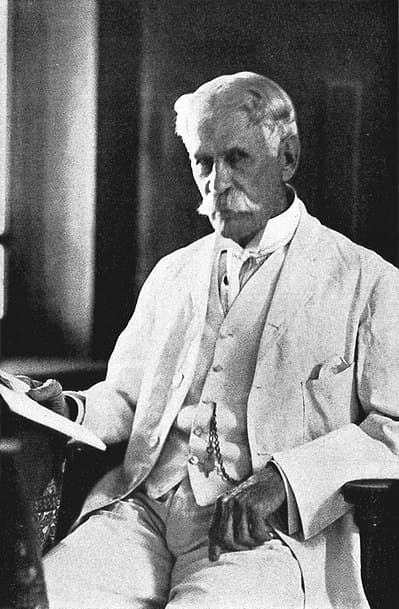
Nathaniel Bright Emerson
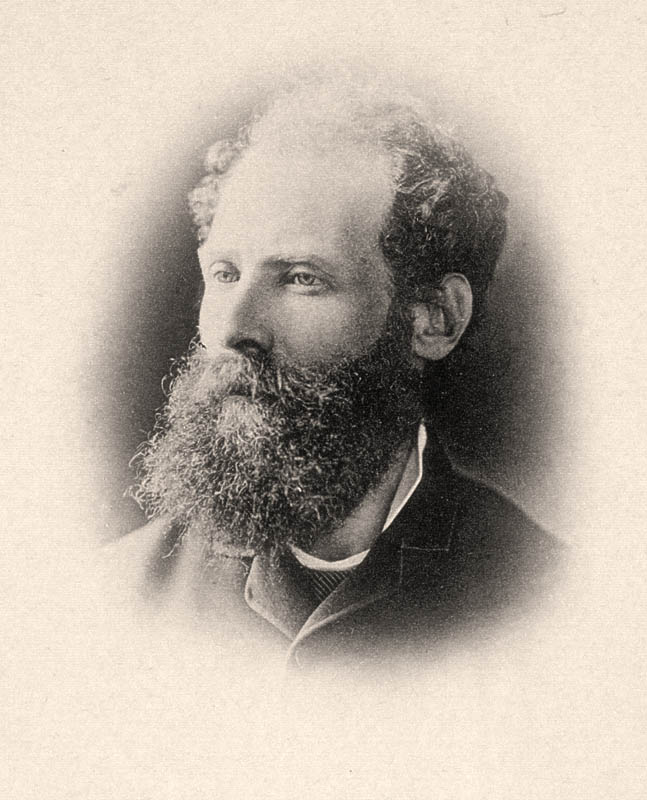
Nathaniel Bright Emerson was a Hawaiian-born American physician and author renowned for his contributions to the understanding of Hawaiian mythology. Born to Protestant missionaries in Waialua, Oahu, he pursued higher education at Williams College, graduating in 1865 before studying medicine at Harvard and Columbia University. His medical career was marked by service in the Civil War, where he fought with the 1st Regiment Massachusetts Volunteer Infantry and sustained multiple wounds. After practicing medicine in New York City, he returned to Hawaii in 1878, where he shifted his focus from medicine to literature and history. Emerson's literary significance lies in his dedication to preserving and translating Hawaiian culture and mythology. His notable works include the translation of David Malo's writings on Hawaiian lore and customs, as well as his own seminal texts, such as "Unwritten Literature of Hawaii," published in 1909, which compiled and analyzed traditional Hawaiian narratives. His final work, "Pele and Hiiaka," released shortly before his death in 1915, further solidified his legacy as a key figure in the documentation and interpretation of Hawaiian mythology, ensuring that these rich cultural stories would endure for future generations.
Books from the author


Link to this page
Add a free, dofollow link to Lex on your blog, forum, syllabus, or reading list.

<a href="https://lex-books.com/author/nathaniel-bright-emerson"><img src="https://lex-books.com/badges/read-on-lex.svg" alt="Nathaniel Bright Emerson on Lex" width="160" height="40"></a>[](https://lex-books.com/author/nathaniel-bright-emerson)[url=https://lex-books.com/author/nathaniel-bright-emerson][img]https://lex-books.com/badges/read-on-lex.svg[/img][/url]Nathaniel Bright Emerson on Lex: https://lex-books.com/author/nathaniel-bright-emerson