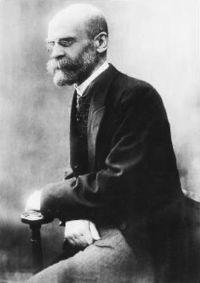
mile Durkheim
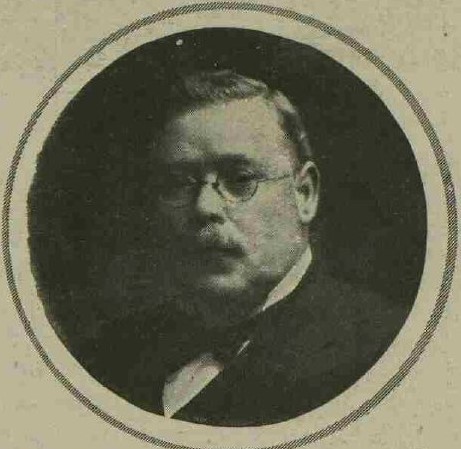
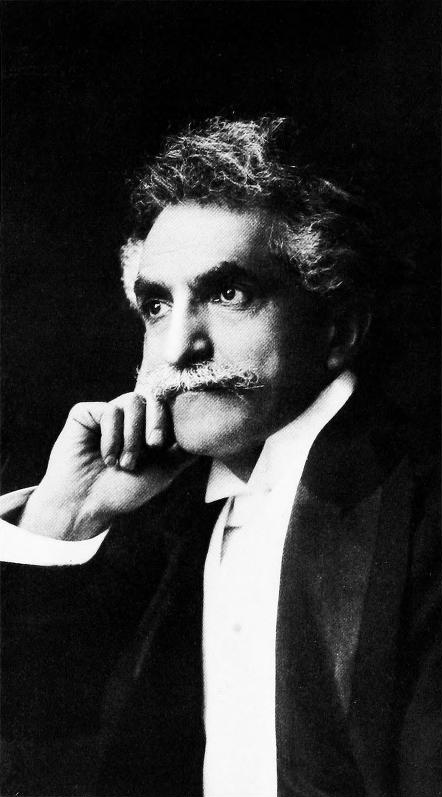
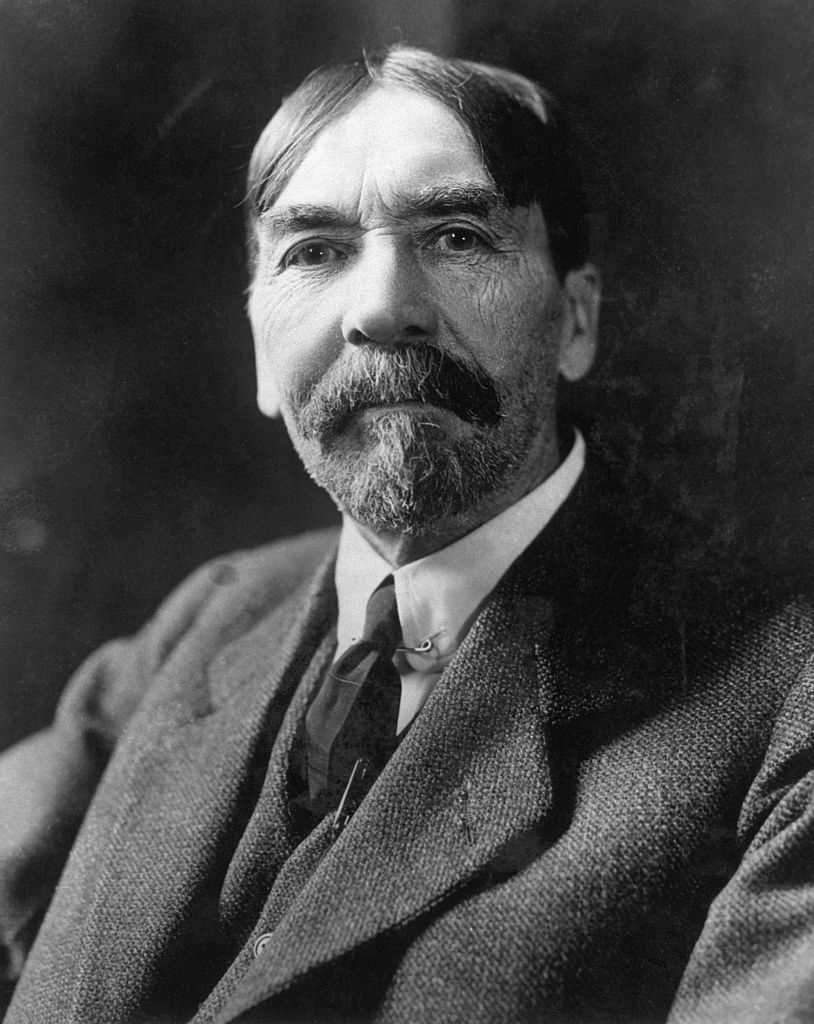
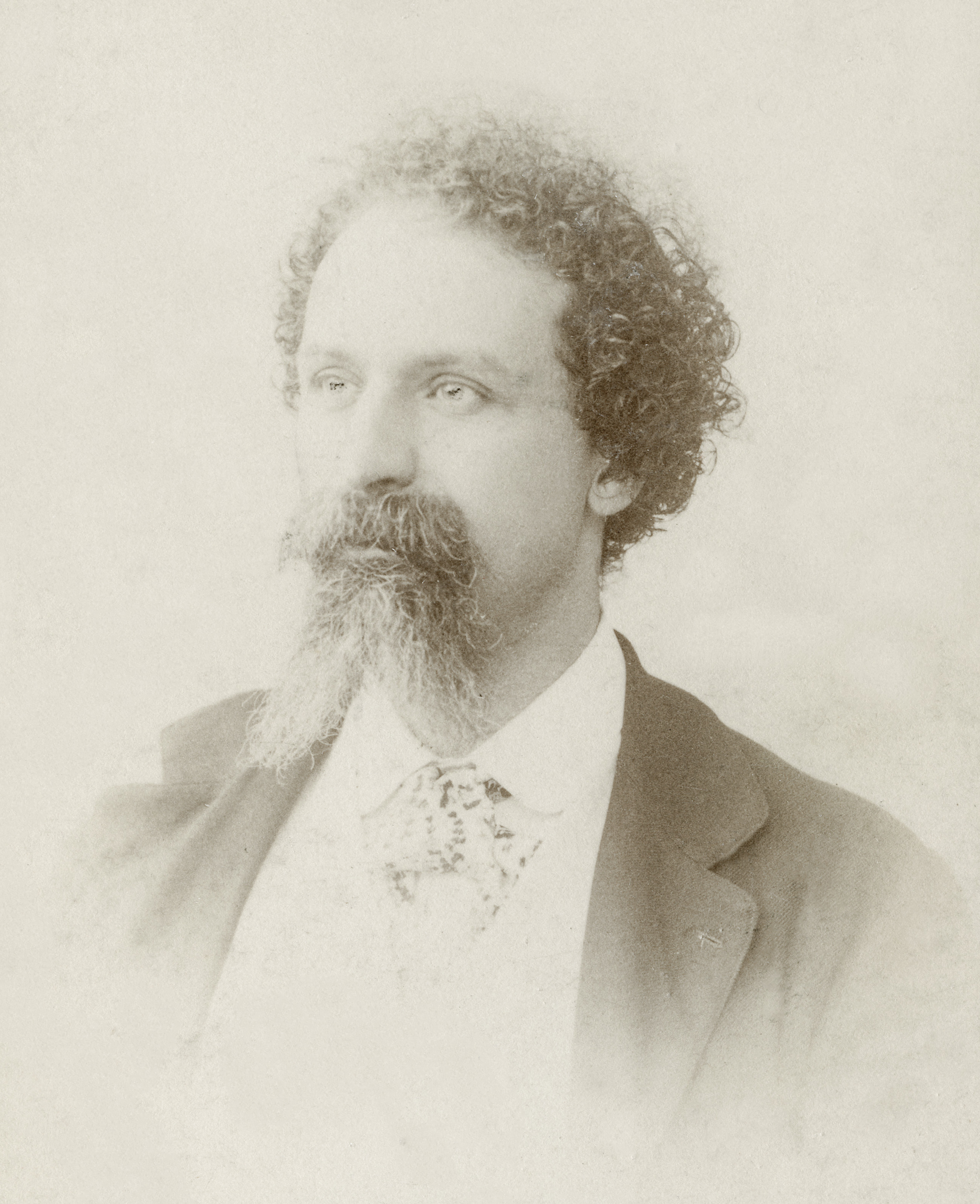
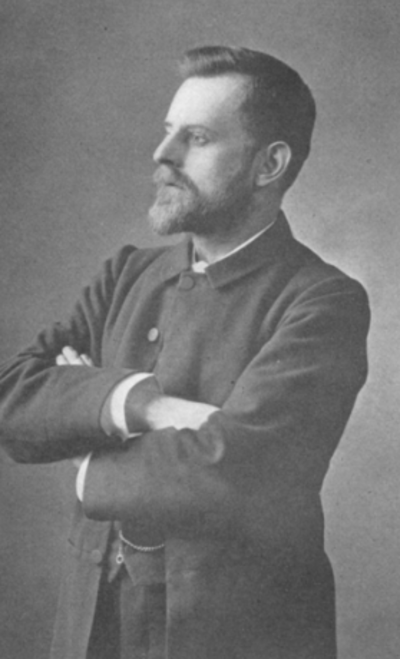
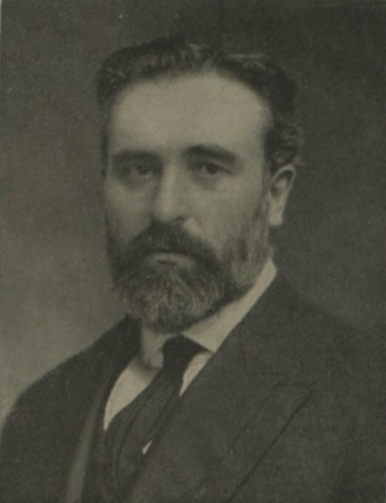
Émile Durkheim was a pioneering French sociologist whose work laid the foundations for the discipline of sociology as we know it today. Born in a Jewish family in Épinal, France, he was deeply influenced by the intellectual currents of his time, including positivism and the emerging social sciences. Durkheim's academic journey led him to the University of Bordeaux, where he began to develop his theories on social order and collective consciousness. His seminal works, such as 'The Division of Labor in Society' and 'Suicide,' explored the ways in which societal structures influence individual behavior and the importance of social integration. He argued that social phenomena must be studied as things in their own right, a perspective that helped establish sociology as a distinct academic discipline. Durkheim's contributions extended beyond theoretical frameworks; he also emphasized the importance of empirical research in sociology. His study of suicide, which categorized different types based on social factors, was groundbreaking and remains influential in both sociology and psychology. He also introduced concepts such as anomie, which describes a state of normlessness in society, highlighting the impact of social change on individual well-being. Durkheim's legacy is profound, as he not only shaped the field of sociology but also influenced various other disciplines, including anthropology and psychology, through his rigorous methodological approaches and insights into the social fabric of modern life.
Books from the author






Link to this page
Add a free, dofollow link to Lex on your blog, forum, syllabus, or reading list.

<a href="https://lex-books.com/author/mile-durkheim"><img src="https://lex-books.com/badges/read-on-lex.svg" alt="mile Durkheim on Lex" width="160" height="40"></a>[](https://lex-books.com/author/mile-durkheim)[url=https://lex-books.com/author/mile-durkheim][img]https://lex-books.com/badges/read-on-lex.svg[/img][/url]mile Durkheim on Lex: https://lex-books.com/author/mile-durkheim