The Three Brontës
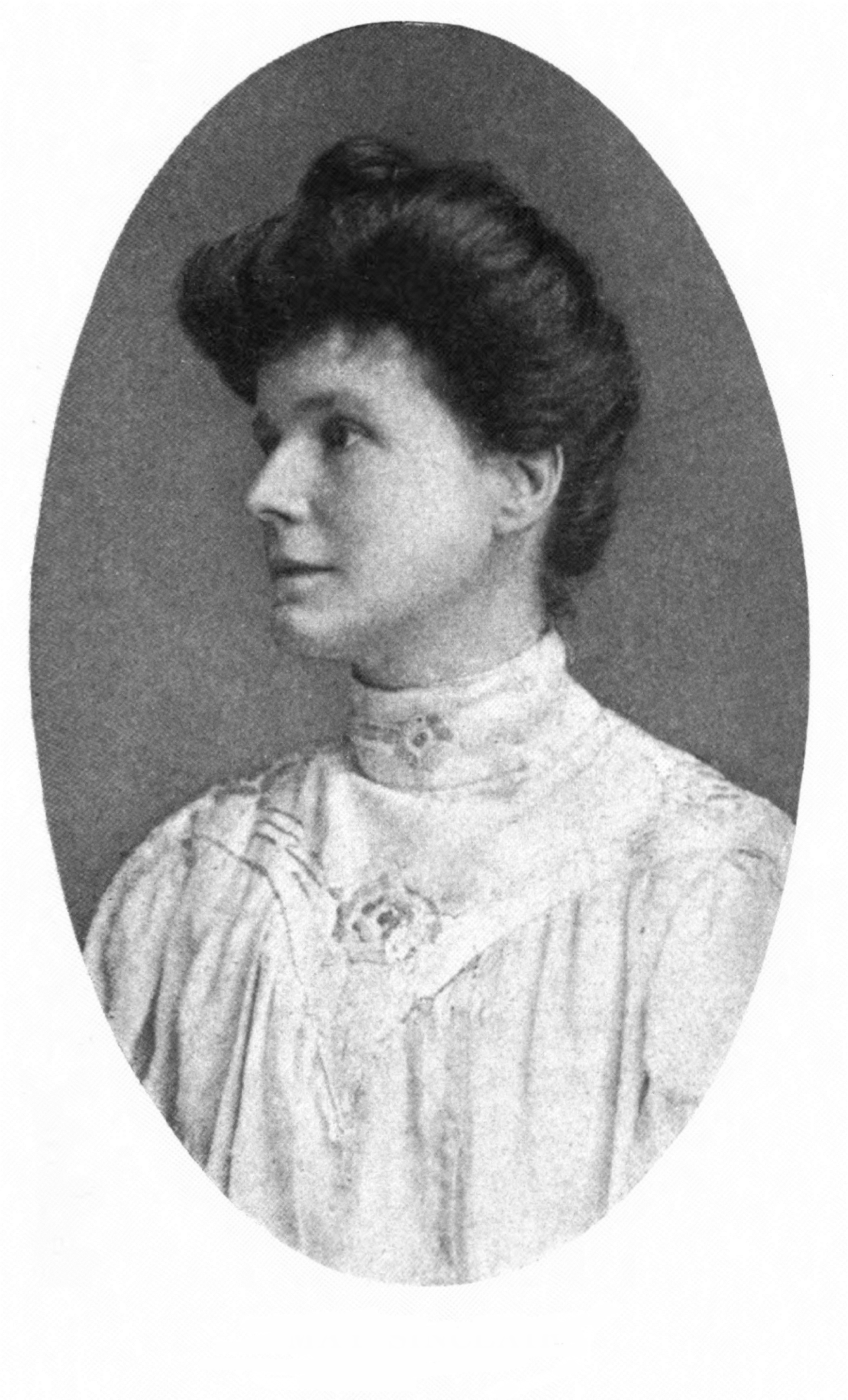
The Brontë sisters wrote some of English literature's most passionate novels, yet their lives remained shrouded in myth and misunderstanding. May Sinclair, writing in the early twentieth century with access to sources now lost to history, strips away the sentimentality that had calcified around the family legend to reveal something rawer and more remarkable: three women who invented entire worlds from the isolation of a remote parsonage, who published under men's names to be taken seriously, and who poured their private anguish into fiction that still burns with intensity today. Sinclair traces their Yorkshire childhood, the deaths that shadowed them, their father's remote presence, and the slow catastrophe of Branwell's decline. She examines how each sister channeled private struggle into art that redefined the novel form: Charlotte's fierce independence, Emily's elemental wildness, Anne's unflinching moral clarity. This is biography as reclamation, written by a woman writer who understood the particular corsets of reputation and the cost of genius in a world that wanted the Brontës angelic rather than ambitious. For anyone who has felt the pull of Wuthering Heights or the defiance of Jane Eyre, Sinclair offers the true story behind the myth, and proves that sometimes the reality exceeds even the fiction.
Editions
Link to this book
Add a free, dofollow link to Lex on your blog, forum, syllabus, or reading list.

<a href="https://lex-books.com/book/the-three-bront-s-7c24bc1f-47bc-4189-ada7-26d12be53fde"><img src="https://lex-books.com/badges/read-on-lex.svg" alt="Read The Three Brontës by May Sinclair free on Lex" width="160" height="40"></a>[](https://lex-books.com/book/the-three-bront-s-7c24bc1f-47bc-4189-ada7-26d12be53fde)[url=https://lex-books.com/book/the-three-bront-s-7c24bc1f-47bc-4189-ada7-26d12be53fde][img]https://lex-books.com/badges/read-on-lex.svg[/img][/url]Read The Three Brontës by May Sinclair free on Lex: https://lex-books.com/book/the-three-bront-s-7c24bc1f-47bc-4189-ada7-26d12be53fdeCite this book
Reading this edition for a paper or guide? Copy a citation.
Sinclair, May. The Three Brontës. Lex, lex-books.com/book/the-three-bront-s-7c24bc1f-47bc-4189-ada7-26d12be53fde.Sinclair, M. (n.d.). The Three Brontës. Lex. https://lex-books.com/book/the-three-bront-s-7c24bc1f-47bc-4189-ada7-26d12be53fdeSinclair, May. The Three Brontës. Lex. https://lex-books.com/book/the-three-bront-s-7c24bc1f-47bc-4189-ada7-26d12be53fde.