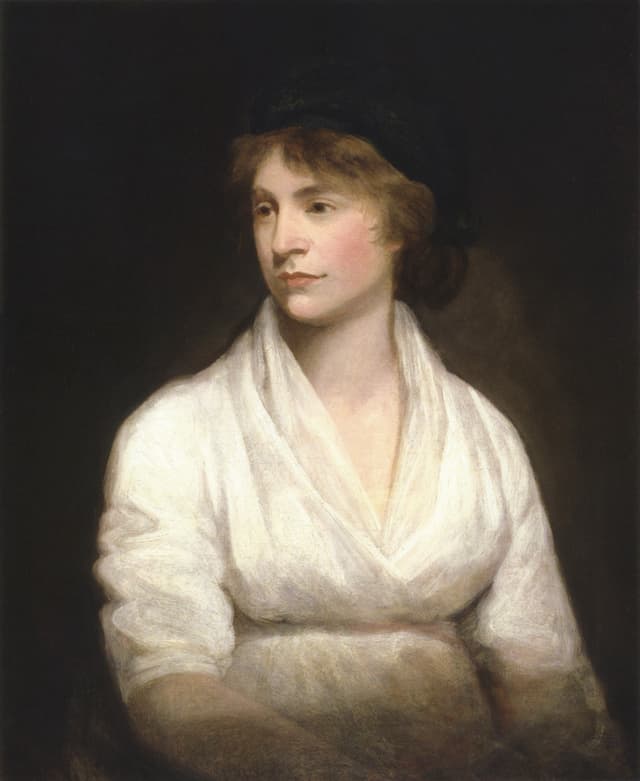
Mary Wollstonecraft
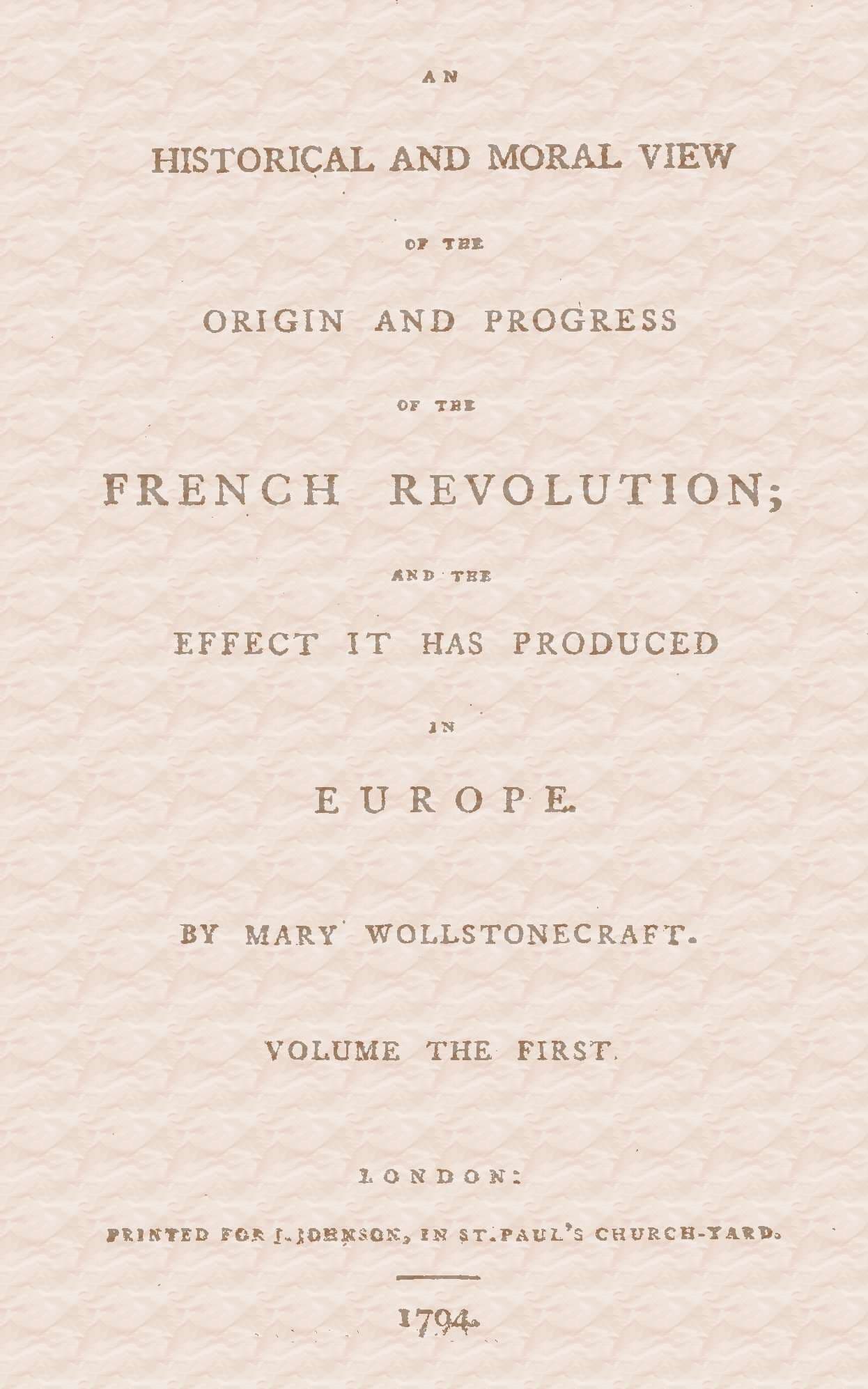
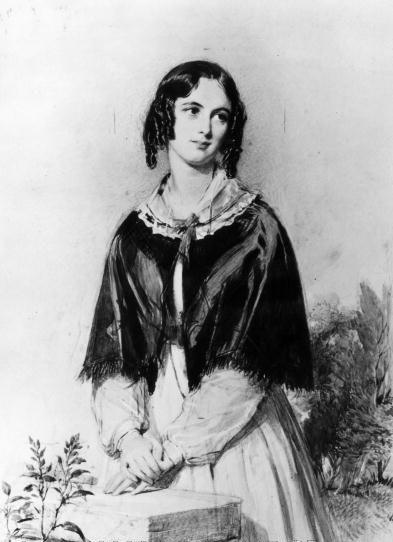
Mary Wollstonecraft was an English writer and philosopher, widely recognized as a pioneering advocate for women's rights. Her most notable work, A Vindication of the Rights of Woman, published in 1792, challenged the prevailing notions of female inferiority by asserting that women appeared lesser only due to a lack of education. In this groundbreaking treatise, she argued for the rational capabilities of both men and women, envisioning a society built on reason and equality. Beyond this seminal text, Wollstonecraft's literary contributions included novels, treatises, a travel narrative, and a history of the French Revolution, showcasing her diverse intellectual pursuits. Wollstonecraft's life was as unconventional as her ideas; her relationships, including those with artist Henry Fuseli and writer Gilbert Imlay, often overshadowed her literary achievements during her lifetime. She eventually married the philosopher William Godwin, further intertwining her legacy with the intellectual movements of her time. Despite her untimely death at 38, shortly after giving birth to her second daughter, Mary Shelley, Wollstonecraft's influence endured, laying the groundwork for future feminist thought and inspiring generations of writers and activists. Her life and works continue to be celebrated for their profound impact on the discourse surrounding gender equality and women's rights.
Famous Quotes
View all 16 quotes“Nothing is so painful to the human mind as a great and sudden change.””
“I do not wish them [women] to have power over men; but over themselves.””
“My own sex, I hope, will excuse me, if I treat them like rational creatures, instead of flattering their graces, and viewing them as if they were in a state of perpetual childhood, unable to stand alone.””
Books from the author



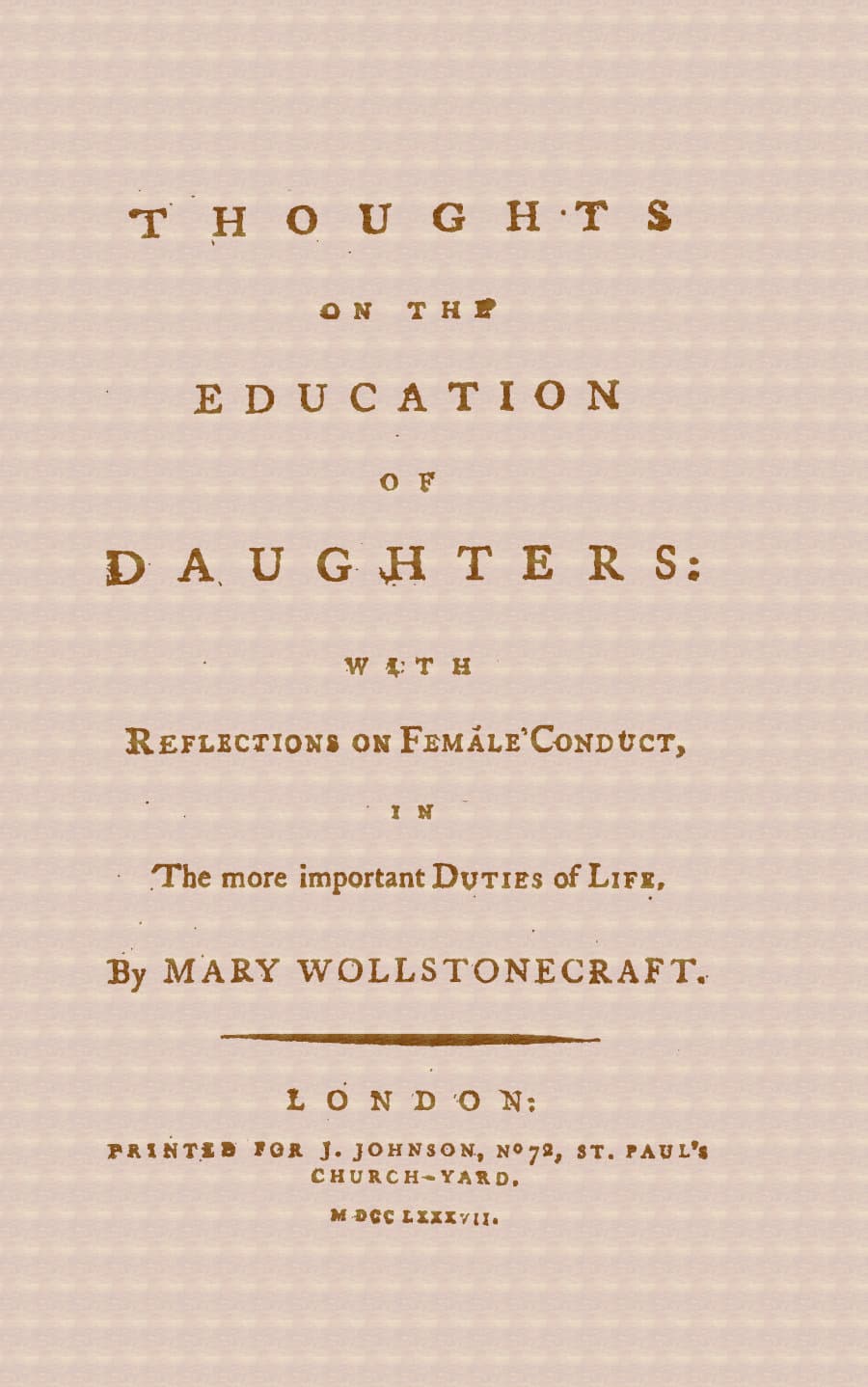
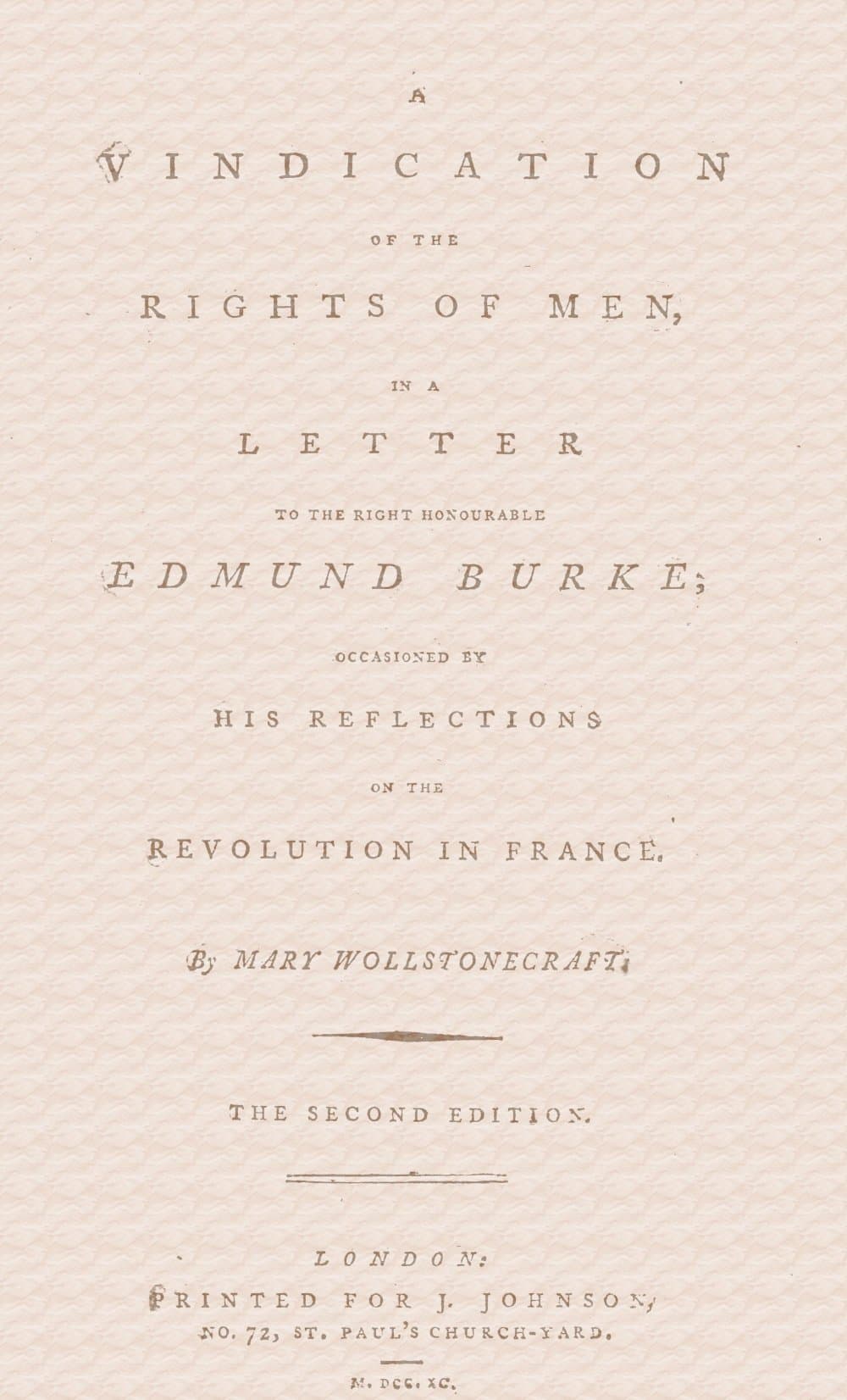
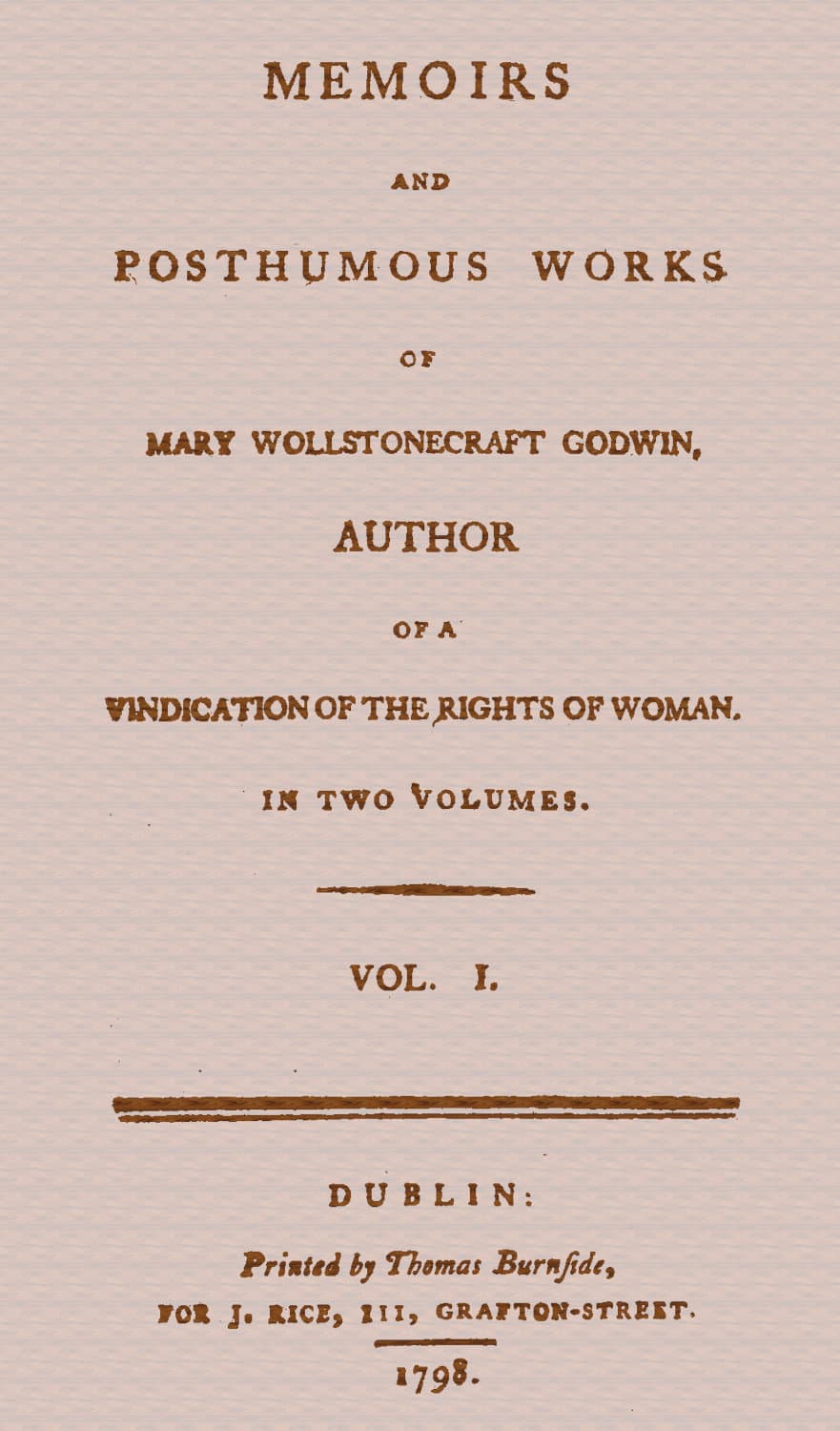


Link to this page
Add a free, dofollow link to Lex on your blog, forum, syllabus, or reading list.

<a href="https://lex-books.com/author/mary-wollstonecraft"><img src="https://lex-books.com/badges/read-on-lex.svg" alt="Mary Wollstonecraft on Lex" width="160" height="40"></a>[](https://lex-books.com/author/mary-wollstonecraft)[url=https://lex-books.com/author/mary-wollstonecraft][img]https://lex-books.com/badges/read-on-lex.svg[/img][/url]Mary Wollstonecraft on Lex: https://lex-books.com/author/mary-wollstonecraft