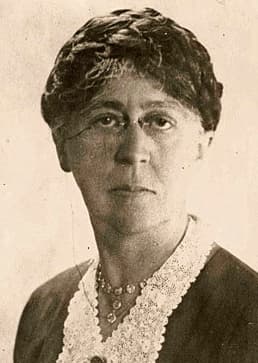
Mary Parker Follett
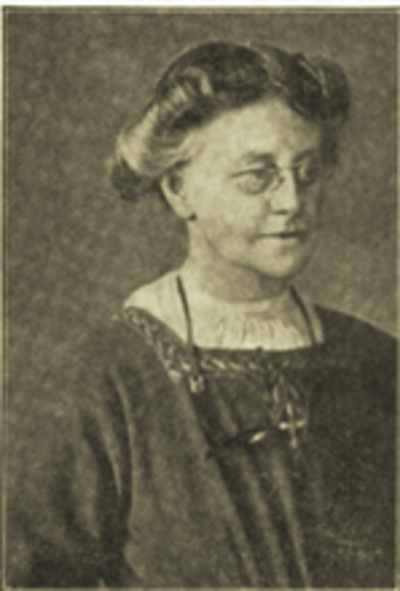
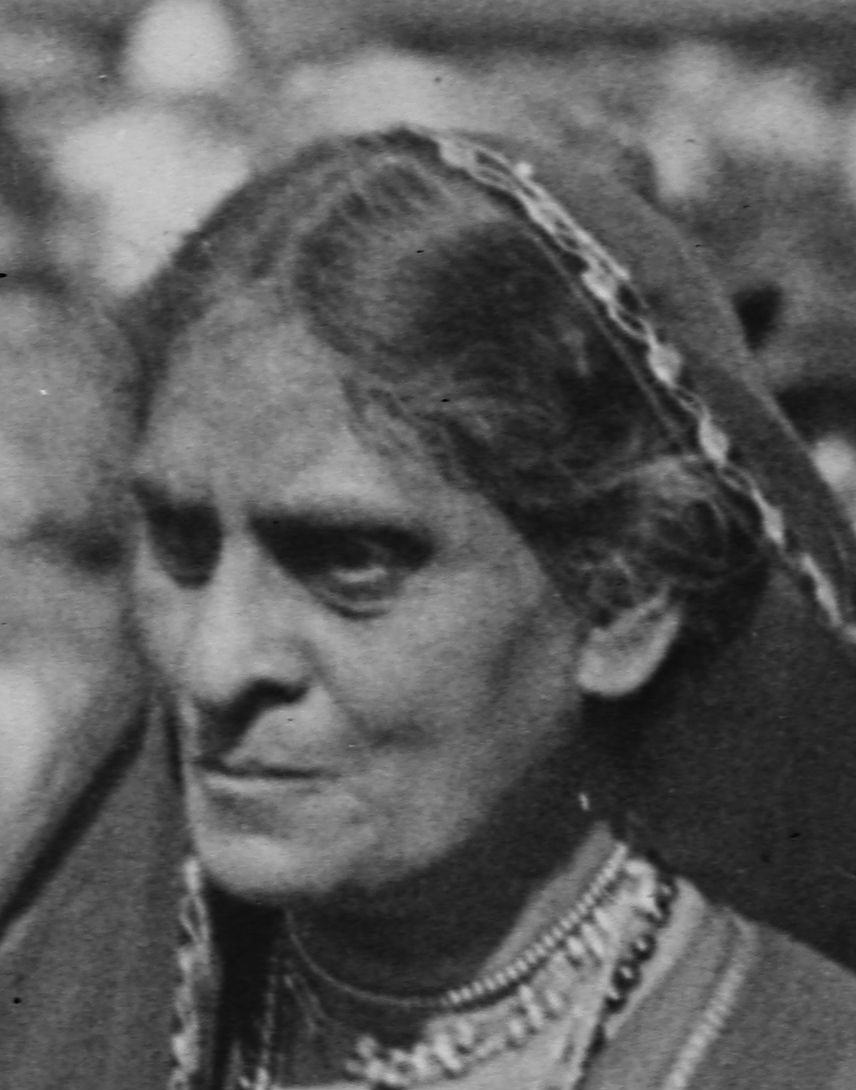
Mary Parker Follett was an influential American management consultant, social worker, and philosopher who made significant contributions to organizational theory and behavior. Often referred to as the 'Mother of Modern Management,' she was a pioneering figure in the early 20th century, advocating for the importance of the human element in business. Follett challenged the prevailing industrial focus of her time by emphasizing that people were the most valuable asset within any organization. Her innovative ideas on management and leadership laid the groundwork for contemporary practices in conflict resolution and democratic governance within organizations. Follett's work, including notable publications such as 'The New State' and 'Creative Experience,' explored the dynamics of group behavior and the necessity of fostering positive human relations in the workplace. She was among the first to recognize the complexities of human interactions in management, arguing that effective leadership required understanding and addressing the needs and motivations of individuals. Her legacy endures in modern management theory, where her insights continue to influence approaches to organizational behavior and leadership development, making her a key figure in the evolution of management practices.
Famous Quotes
View all 3 quotes“No experience can ever be repeated, and in this fact we find all the tragedy of life and at the same time its glory—its irrepressible movement.”
“We have thought of peace as the passive and war as the active way of living. The opposite is true. War is not the most strenuous life. It is a kind of rest-cure compared to the task of reconciling our differences.”
“We may be heartened by our sojourns on Sinai, but no man may live his life in the clouds. And what does pragmatism mean if not just this? We can only, as James told us again and again, understand the collective and distributive by living. Life is the true revealer: I can never understand the whole by reason, only when the heart-beat of the whole throbs through me as the pulse of my own being.”
Books from the author






Link to this page
Add a free, dofollow link to Lex on your blog, forum, syllabus, or reading list.

<a href="https://lex-books.com/author/mary-parker-follett"><img src="https://lex-books.com/badges/read-on-lex.svg" alt="Mary Parker Follett on Lex" width="160" height="40"></a>[](https://lex-books.com/author/mary-parker-follett)[url=https://lex-books.com/author/mary-parker-follett][img]https://lex-books.com/badges/read-on-lex.svg[/img][/url]Mary Parker Follett on Lex: https://lex-books.com/author/mary-parker-follett