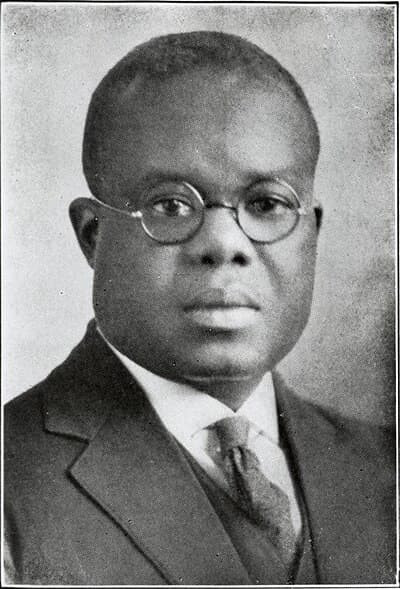
Hubert H. Harrison
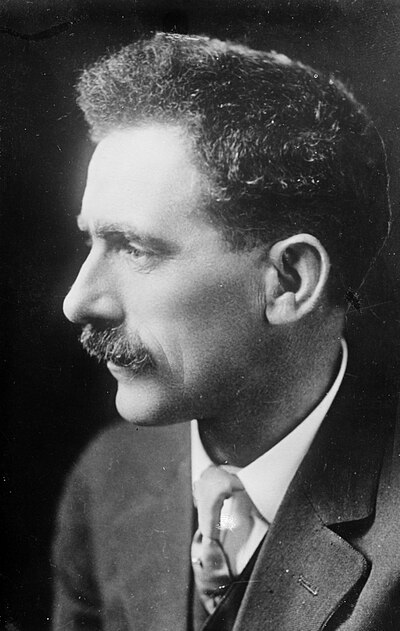
Hubert H. Harrison was a West Indian-American writer, educator, and political activist who emerged as a leading voice in Harlem's radical movements. Born in St. Croix and immigrating to the United States at the age of 17, he became a pivotal figure in the early 20th-century struggle for racial and class justice. Harrison was a prominent organizer within the Socialist Party of America from 1912 to 1914, advocating for the rights of Black workers and promoting class consciousness. His establishment of the Liberty League and The Voice in 1917 marked a significant contribution to the 'New Negro' movement, providing a platform for race-conscious activism and thought that would influence future leaders like Marcus Garvey and A. Philip Randolph. Harrison's intellectual legacy is marked by his commitment to agnostic atheism, secular humanism, and social progressivism. He was a radical internationalist who sought to unite oppressed peoples across borders, and his writings and speeches encouraged Black pride and self-determination. Often referred to as 'the father of Harlem radicalism,' his ideas helped shape the discourse around race and class in America, leaving an indelible mark on the civil rights movement. Harrison's influence extended beyond his lifetime, resonating with generations of activists who drew inspiration from his vision of a more equitable society.
Famous Quotes
View all 1 quotes“Show me a population that is deeply religious, and I will show you a servile population, content with whips and chains, contumely and the gibbet, content to eat the bread of sorrow and drink the waters of affliction. The present condition of the Negroes of America is a touching bit of testimony to the truth of this assertion. Here in America the spirit of the Negro has been transformed by three centuries of subjection, physical and mental, so that they have even glorified the fact of subjection and subservience.”
Books from the author


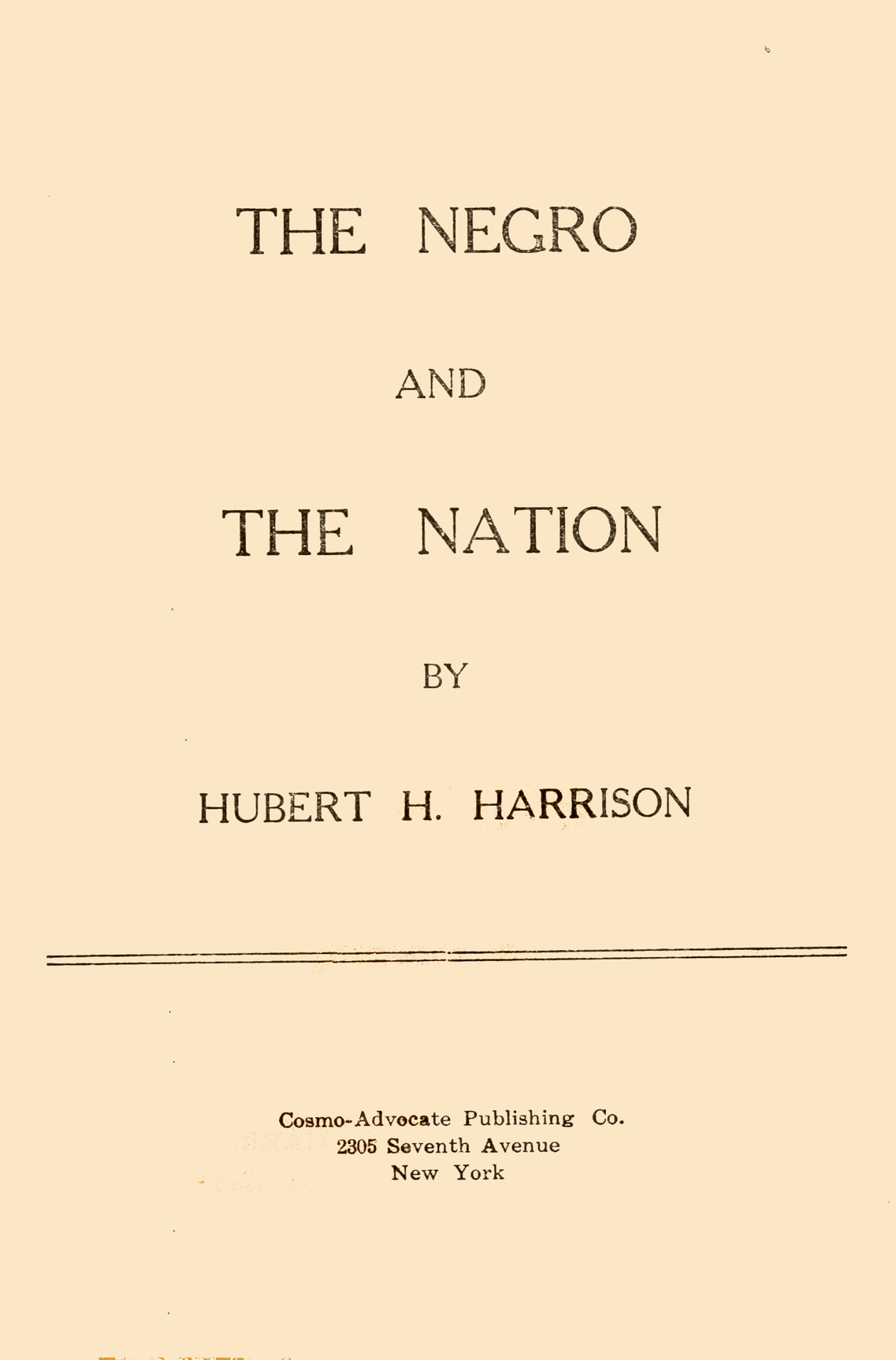


Link to this page
Add a free, dofollow link to Lex on your blog, forum, syllabus, or reading list.

<a href="https://lex-books.com/author/hubert-h-harrison"><img src="https://lex-books.com/badges/read-on-lex.svg" alt="Hubert H. Harrison on Lex" width="160" height="40"></a>[](https://lex-books.com/author/hubert-h-harrison)[url=https://lex-books.com/author/hubert-h-harrison][img]https://lex-books.com/badges/read-on-lex.svg[/img][/url]Hubert H. Harrison on Lex: https://lex-books.com/author/hubert-h-harrison