
Francesco Saverio Nitti
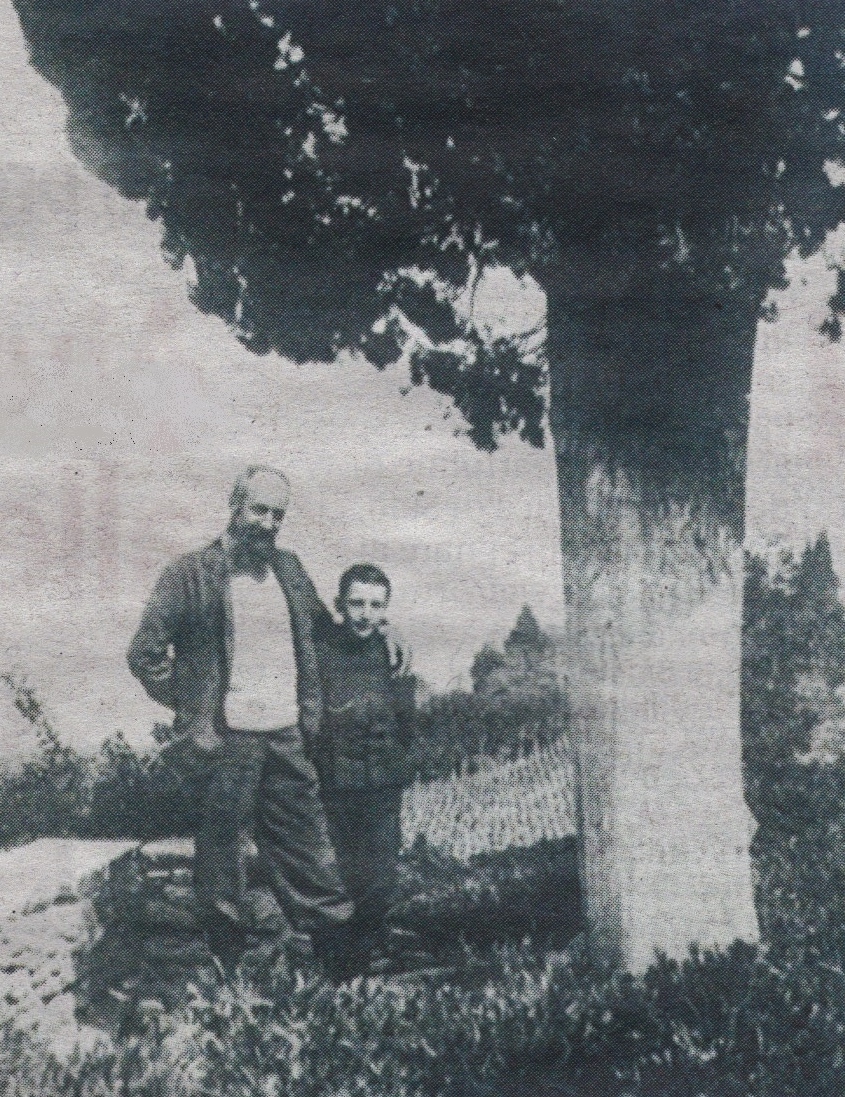
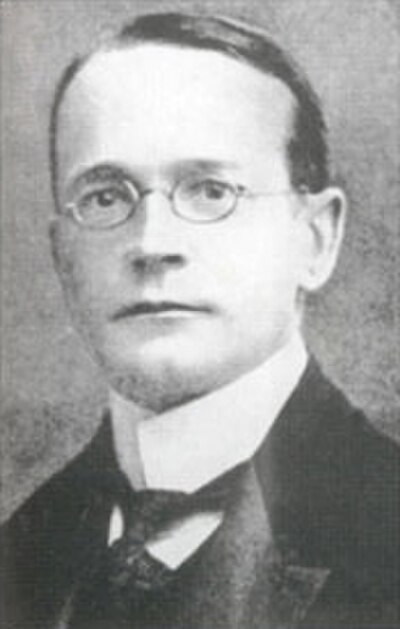
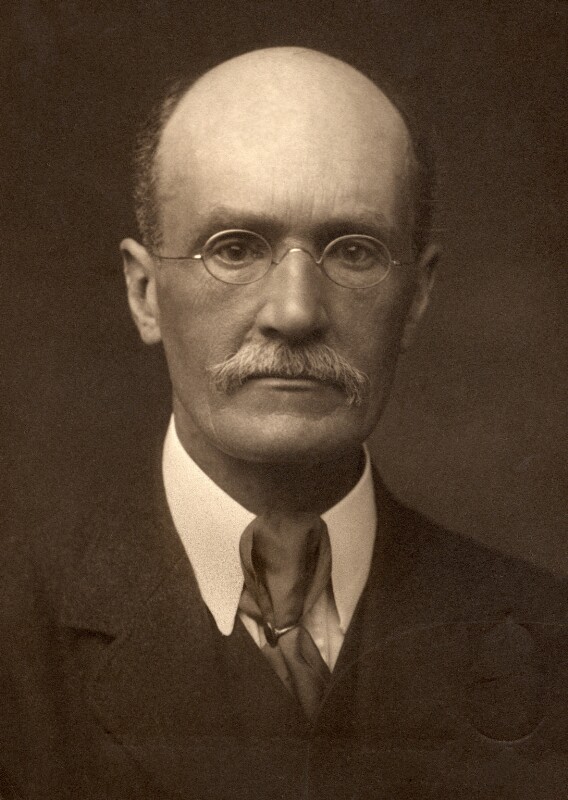
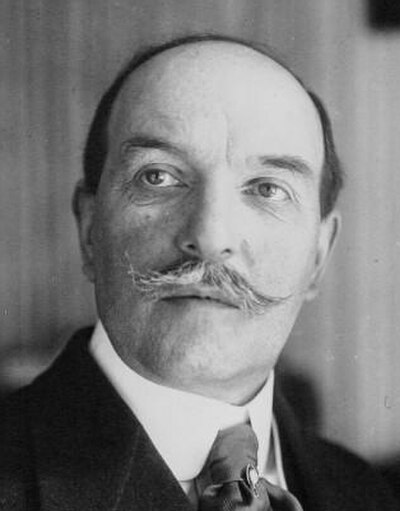
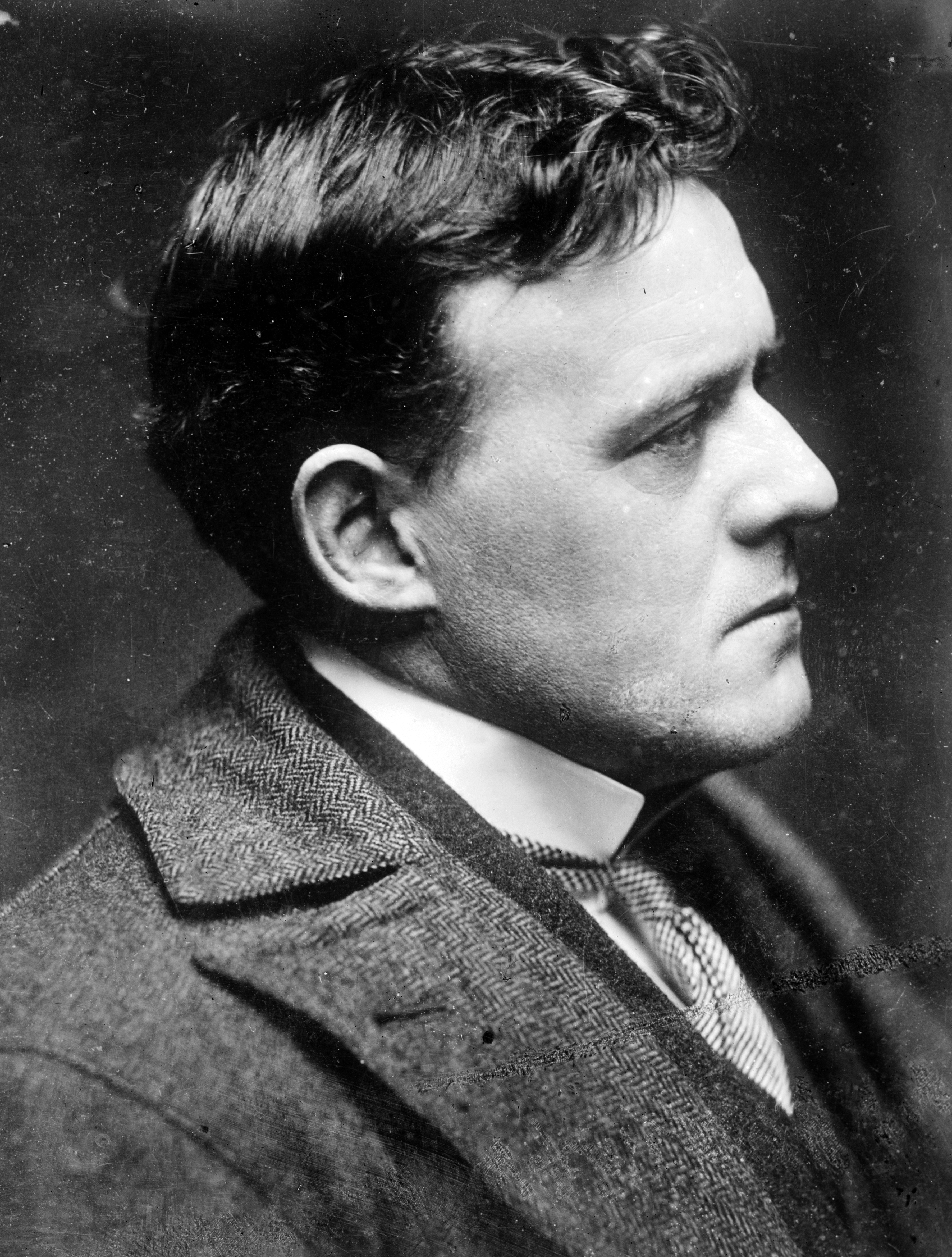
Francesco Saverio Nitti was an influential Italian economist and statesman known for his progressive views and opposition to dictatorship. As a prominent member of the Italian Radical Party, he served as Prime Minister of Italy from 1919 to 1920, during a tumultuous period marked by social unrest and the rise of fascism. Nitti's tenure was characterized by his commitment to democratic principles and his resistance to authoritarianism, which defined much of his political career. He was a vocal critic of the fascist regime, advocating for civil liberties and social reforms in a time when such positions were increasingly perilous. Nitti made significant contributions to economic thought, particularly through his critique of Thomas Robert Malthus's theories on population. His work, "Population and the Social System" (1894), challenged prevailing notions of overpopulation and laid the groundwork for a more nuanced understanding of socio-economic issues. Additionally, he was a key figure in meridionalism, focusing on the socio-economic challenges faced by Southern Italy after unification. Nitti's legacy endures through his writings and his steadfast commitment to social justice, making him a notable figure in both Italian politics and economic theory.
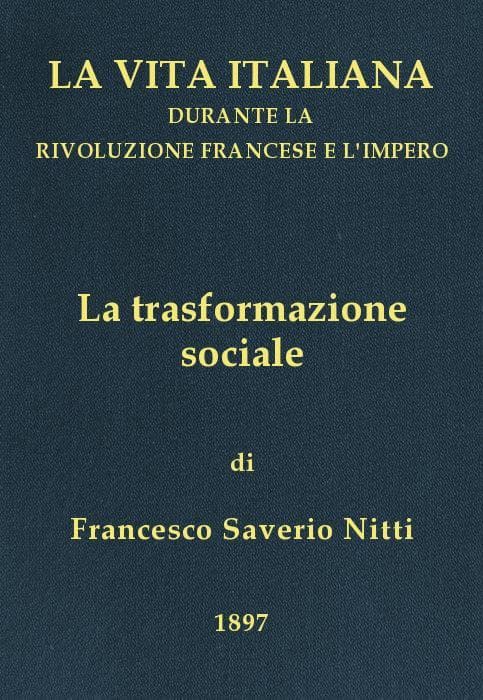
Books from the author






Link to this page
Add a free, dofollow link to Lex on your blog, forum, syllabus, or reading list.

<a href="https://lex-books.com/author/francesco-saverio-nitti"><img src="https://lex-books.com/badges/read-on-lex.svg" alt="Francesco Saverio Nitti on Lex" width="160" height="40"></a>[](https://lex-books.com/author/francesco-saverio-nitti)[url=https://lex-books.com/author/francesco-saverio-nitti][img]https://lex-books.com/badges/read-on-lex.svg[/img][/url]Francesco Saverio Nitti on Lex: https://lex-books.com/author/francesco-saverio-nitti