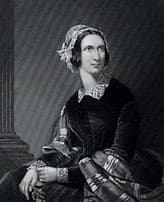
Mary Howitt
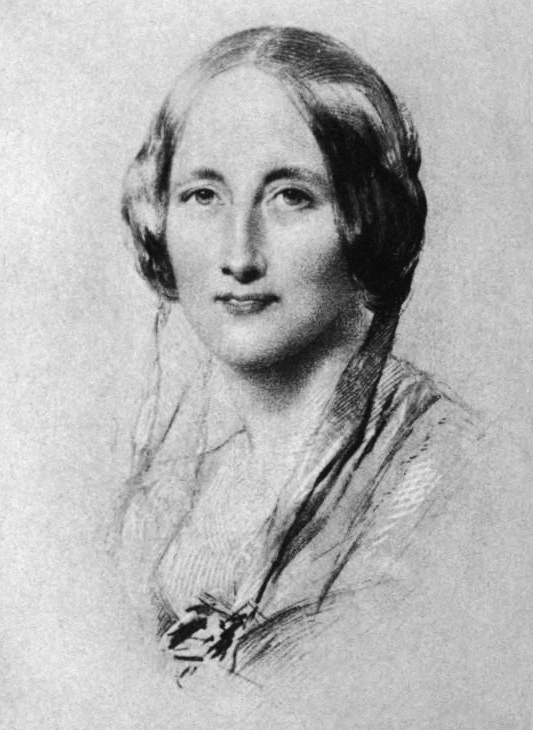
Mary Howitt was a prominent English author, poet, and translator known for her contributions to children's literature and her advocacy for social reform. Born in 1799 in a small village in England, she began writing poetry at a young age and quickly gained recognition for her lyrical style. Howitt's most notable works include 'The Forest Minstrel' and 'The Children's Year,' which reflect her deep appreciation for nature and her commitment to moral education. Her poetry often conveyed themes of love, nature, and the struggles of the human condition, resonating with both children and adults alike. In addition to her poetry, Howitt was an influential figure in the literary world, collaborating with her husband, William Howitt, on various projects, including translations of German literature. She was also a vocal advocate for women's rights and social issues, using her platform to promote education and equality. Her legacy endures through her extensive body of work, which paved the way for future generations of writers, particularly in the realm of children's literature. Mary Howitt's contributions to literature and her commitment to social causes solidified her place as a significant figure in the 19th-century literary landscape.
Famous Quotes
View all 6 quotes“Will you walk into my parlour?" said the Spider to the Fly””
“And now dear little children, who may this story read, To idle, silly flattering words, I pray you ne'er give heed: Unto an evil counsellor, close heart and ear and eye, And take a lesson from this tale, of the Spider and the Fly.””
“God sends children for another purpose than merely to keep up the race -- to enlarge our hearts, to make us unselfish, and full of kindly sympathies and affections.””
Books from the author


Link to this page
Add a free, dofollow link to Lex on your blog, forum, syllabus, or reading list.

<a href="https://lex-books.com/author/mary-howitt"><img src="https://lex-books.com/badges/read-on-lex.svg" alt="Mary Howitt on Lex" width="160" height="40"></a>[](https://lex-books.com/author/mary-howitt)[url=https://lex-books.com/author/mary-howitt][img]https://lex-books.com/badges/read-on-lex.svg[/img][/url]Mary Howitt on Lex: https://lex-books.com/author/mary-howitt