Marcus Dods
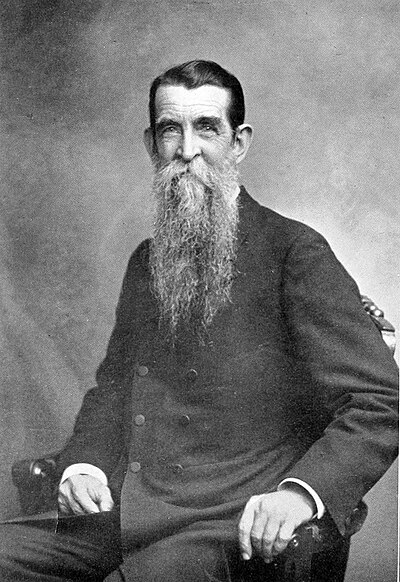
Marcus Dods was a Scottish theologian and biblical scholar, renowned for his contributions to the field of biblical interpretation and his influential writings on Christian doctrine. Born in 1834, he was educated at the University of Edinburgh, where he developed a keen interest in theology and the historical context of the Bible. Dods became a prominent figure in the Free Church of Scotland and served as a minister, engaging deeply with the theological debates of his time. His works often emphasized the importance of understanding the Bible within its historical and cultural milieu, which set a precedent for modern biblical scholarship. Among his notable works, "The Expositor's Bible" series stands out, where he provided insightful commentaries on various books of the Bible. His writings were characterized by a blend of scholarly rigor and pastoral sensitivity, making complex theological concepts accessible to a broader audience. Dods was also known for his sermons and lectures, which were well-received for their clarity and depth. His legacy endures in the realm of biblical studies, where his emphasis on historical context continues to influence contemporary interpretations of scripture.
Famous Quotes
View all 1 quotes“If the bare possibility of his Lord’s death had plunged this loving and gloomy heart in despondency, what dark despair must have preyed upon it when that death was actually accomplished! How the figure of his dead Master had burnt itself into his soul is seen from the manner in which his mind dwells on the print of the nails, the wound in the side. It is by these only, and not by well-known features of face or peculiarities of form, he will recognise and identify his Lord. His heart was with the lifeless body on the cross, and he could not bear to see the friends of Jesus or speak with those who had shared his hopes, but buried his disappointment and desolation in solitude and silence. His absence can scarcely be branded as culpable. None of the others expected resurrection any more than himself, but his hopelessness acted on a specially sensitive and despondent nature. Thus it was that, like many melancholy persons, he missed the opportunity of seeing what would effectually have scattered his darkness.”
Books from the author




Link to this page
Add a free, dofollow link to Lex on your blog, forum, syllabus, or reading list.

<a href="https://lex-books.com/author/marcus-dods"><img src="https://lex-books.com/badges/read-on-lex.svg" alt="Marcus Dods on Lex" width="160" height="40"></a>[](https://lex-books.com/author/marcus-dods)[url=https://lex-books.com/author/marcus-dods][img]https://lex-books.com/badges/read-on-lex.svg[/img][/url]Marcus Dods on Lex: https://lex-books.com/author/marcus-dods