
John E. Remsburg
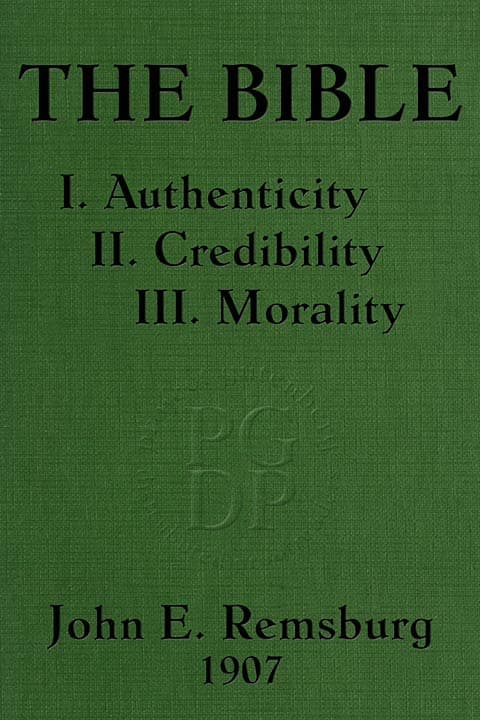
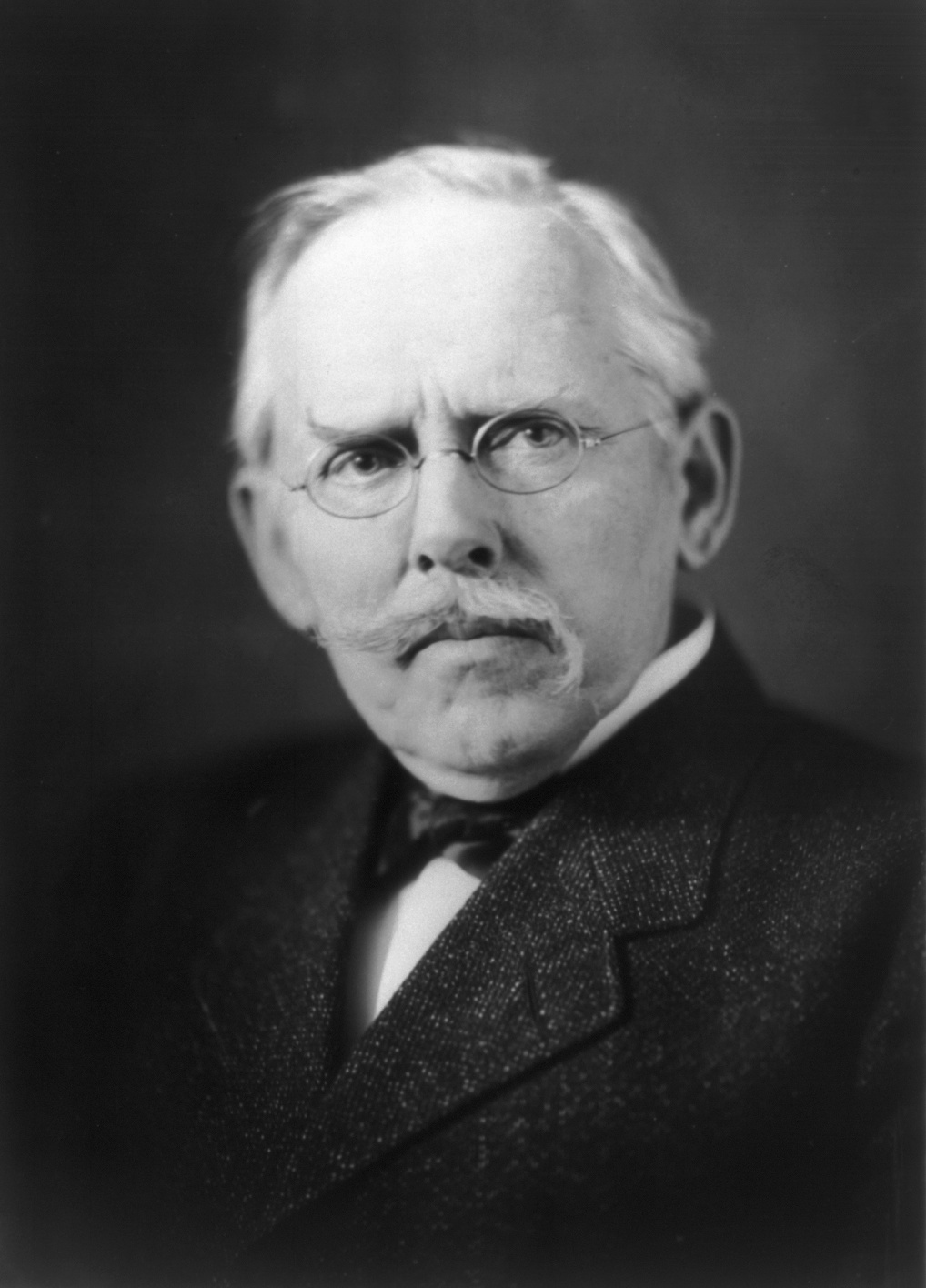
John E. Remsburg was an American author, lecturer, and freethinker known for his critical examination of religion and its historical figures. Born in 1848, he became a prominent voice in the secular movement during the late 19th and early 20th centuries. His works often challenged conventional beliefs, focusing on the intersections of religion, morality, and historical evidence. In 'The Christ: A Critical Review and Analysis of the Evidences of His Existence,' Remsburg scrutinized the historical validity of Jesus Christ, arguing that the evidence for his existence was lacking. This work, along with 'Abraham Lincoln: Was He a Christian?' and 'The Bible: I. Authenticity II. Credibility III. Morality,' showcased his commitment to questioning established narratives and advocating for a rational approach to historical and religious texts. Remsburg's address, 'Thomas Paine, the Apostle of Liberty,' delivered in 1916, highlighted the contributions of Paine to the cause of liberty and reason, reflecting Remsburg's admiration for Enlightenment thinkers. His writings often sparked controversy, as he tackled sensitive subjects with a critical lens, encouraging readers to think independently about faith and morality. Through his extensive body of work, Remsburg left a lasting impact on the discourse surrounding religion and secularism, positioning himself as a significant figure in the intellectual landscape of his time.
Famous Quotes
View all 5 quotes“To Judaism Christians ascribe the glory of having been the first religion to teach a pure monotheism. But monotheism existed long before the Jews attained to it. Zoroaster and his earliest followers were monotheists, dualism being a later development of the Persian theology. The adoption of monotheism by the Jews, which occurred only at a very late period in their history, was not, however, the result of a divine revelation, or even of an intellectual superiority, for the Jews were immeasurably inferior intellectually to the Greeks and Romans, to the Hindus and Egyptians, and to the Assyrians and Babylonians, who are supposed to have retained a belief in polytheism. This monotheism of the Jews has chiefly the result of a religious intolerance never before equaled and never since surpassed, except in the history of Christianity and Mohammedanism, the daughters of Judaism. Jehovistic priests and kings tolerated no rivals of their god and made death the penalty for disloyalty to him. The Jewish nation became monotheistic for the same reason that Spain, in the clutches of the Inquisition, became entirely Christian.””
“That the writers of the Bible recognized a plurality of gods -- were polytheists -- is proved by the following 'And the Lord God said, Behold, the man is become as one of us' (Gen. iii, 22). 'Who is like unto thee, O Lord, among the gods?' (Ex. xv, 11.) 'Among the gods, there is none like unto thee, O Lord' (Ps. Ixxxvi, 8). 'The Lord is a great God, and a great king above all gods' (Ps. xcv, 3). 'Thou shalt not revile the gods' (Ex. xxii, 28).Monotheism, the doctrine of one god, is not merely the worship of one god, but the belief in the existence of one god only. Many were monotheistic in worship -- worshiped one god, their national deity -- while at the same time they were polytheistic in belief -- believed in the existence of many gods. The Jews who worshiped Jehovah have been called monotheists. And yet, for a thousand years, they believed in the existence of Kemosh, Baal, Moloch, Tammuz, and other deities. They believed that Jehovah was their national god and that they owed allegiance to him; just as the subjects of an earthly king profess their loyalty to him without denying the existence of other kings.””
“There is one element in Christianity which was not borrowed from Paganism -- religious intolerance. Referring to Buddhism, Confucianism, and Taoism, a writer on China says: 'Between the followers of the three national religions there is not only a total absence of persecution and bitter feeling, but a very great indifference as to which of them a man may belong.... Among the politer classes, when strangers meet, the question is asked: 'To what sublime religion do you belong,' and each one pronounces a eulogium, not on his own religion, but on that professed by the others, and concludes with the oft-repeated formula 'Religions are many; reason is one; we are all brothers.””
Books from the author









Link to this page
Add a free, dofollow link to Lex on your blog, forum, syllabus, or reading list.

<a href="https://lex-books.com/author/john-e-remsburg"><img src="https://lex-books.com/badges/read-on-lex.svg" alt="John E. Remsburg on Lex" width="160" height="40"></a>[](https://lex-books.com/author/john-e-remsburg)[url=https://lex-books.com/author/john-e-remsburg][img]https://lex-books.com/badges/read-on-lex.svg[/img][/url]John E. Remsburg on Lex: https://lex-books.com/author/john-e-remsburg