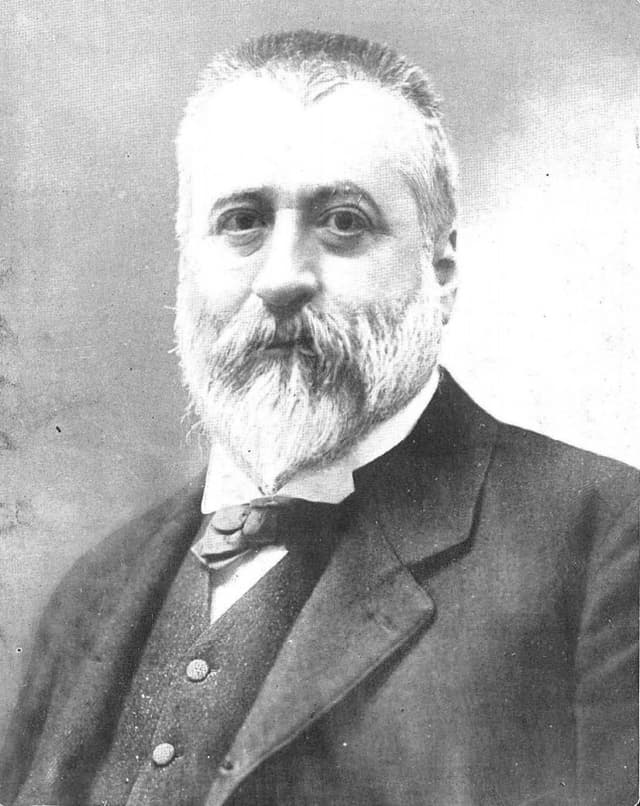
Marcelino Menéndez y Pelayo
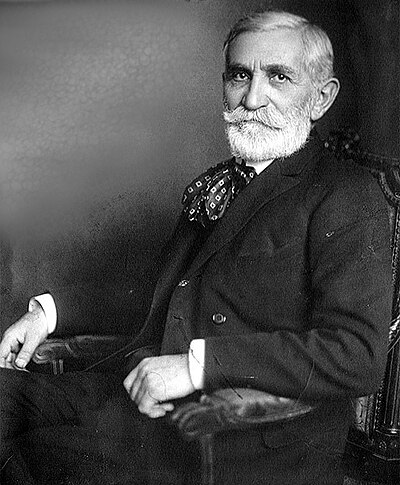
Marcelino Menéndez y Pelayo was a prominent Spanish scholar, critic, and writer, known for his extensive contributions to the study of Spanish literature and culture. Born in 1856 in the region of Cantabria, he became a pivotal figure in the intellectual landscape of Spain during the late 19th and early 20th centuries. Menéndez y Pelayo's scholarly work was characterized by his deep appreciation for Spain's literary heritage, and he was instrumental in the revival of interest in the works of earlier Spanish authors. His most notable works include 'Historia de los heterodoxos españoles,' which examined the influence of heretical thought on Spanish literature, and 'Antología de poetas líricos españoles,' a comprehensive anthology that showcased the richness of Spanish lyric poetry. As a literary critic, Menéndez y Pelayo advocated for a return to traditional values in literature, opposing the modernist movements that were gaining traction in his time. His efforts to preserve and promote the Spanish literary canon were significant, as he sought to establish a national identity through literature. Menéndez y Pelayo's legacy endures in the field of literary criticism and historiography, as he laid the groundwork for future scholars to explore the complexities of Spanish literature. His work remains a vital reference for understanding the evolution of Spanish thought and culture, making him a key figure in the literary history of Spain.
Famous Quotes
View all 2 quotes“España, evangelizadora de la mitad del orbe; España, martillo de herejes, luz de Trento, espada de Roma, cuna de San Ignacio, esa es nuestra grandeza y nuestra unidad... no tenemos otra””
“Pueblo que no sabe su historia es pueblo condenado a irrevocable muerte; puede producir brillantes individualidades aisladas, rasgos de pasión, de ingenio y hasta de genio y serán como relámpagos que acrecentarán más y más la lobreguez de la noche””
Books from the author






Link to this page
Add a free, dofollow link to Lex on your blog, forum, syllabus, or reading list.

<a href="https://lex-books.com/author/marcelino-menéndez-y-pelayo"><img src="https://lex-books.com/badges/read-on-lex.svg" alt="Marcelino Menéndez y Pelayo on Lex" width="160" height="40"></a>[](https://lex-books.com/author/marcelino-menéndez-y-pelayo)[url=https://lex-books.com/author/marcelino-menéndez-y-pelayo][img]https://lex-books.com/badges/read-on-lex.svg[/img][/url]Marcelino Menéndez y Pelayo on Lex: https://lex-books.com/author/marcelino-menéndez-y-pelayo