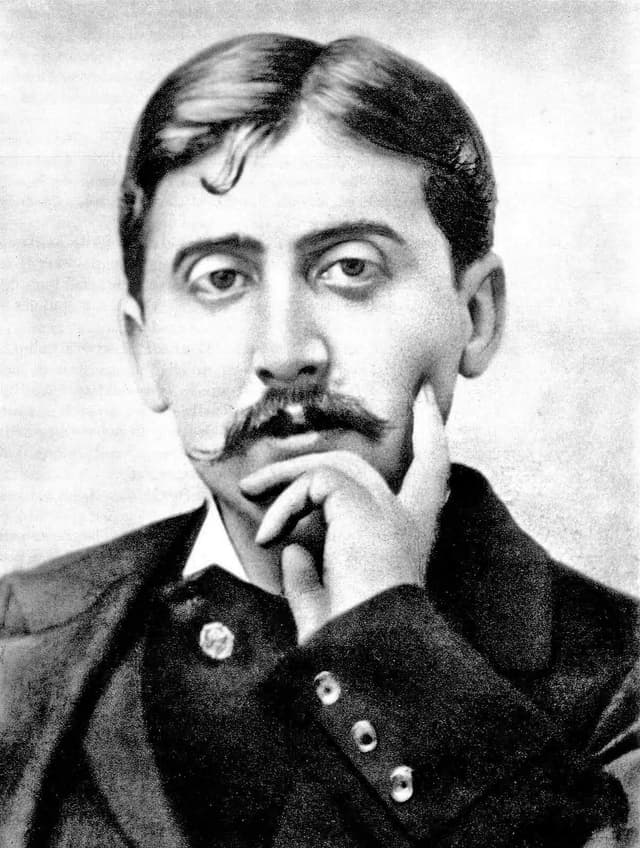
Marcel Proust
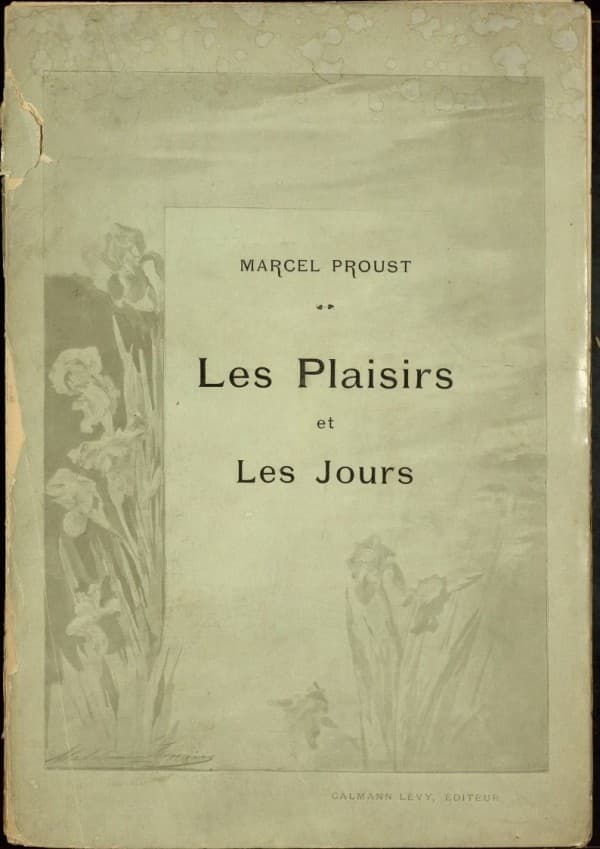
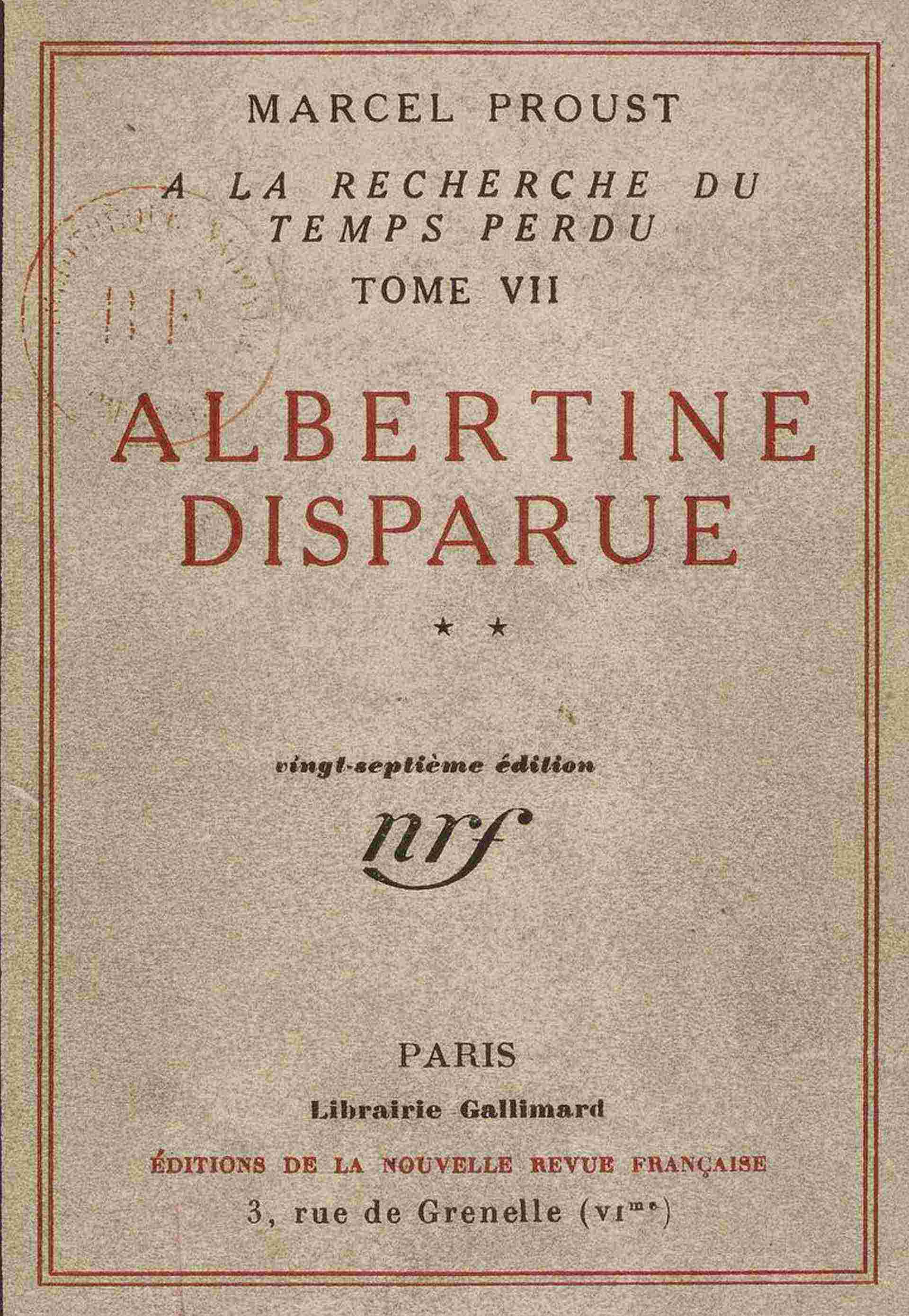
Marcel Proust was a French novelist and essayist, renowned for his monumental work, À la recherche du temps perdu (In Search of Lost Time), published in seven volumes between 1913 and 1927. Born into a wealthy Parisian family, Proust's early life was marked by severe asthma, which disrupted his education but allowed him to immerse himself in the literary and social circles of elite Paris. His experiences in these salons provided rich material for his writing, though his initial literary efforts, such as the collection Les plaisirs et les jours, garnered little attention. It was not until he began his magnum opus in 1908 that he truly made his mark on literature. À la recherche du temps perdu is celebrated for its innovative use of the stream of consciousness technique and its profound exploration of memory, art, and the complexities of human experience. The novel's intricate narrative structure and deep psychological insights have made it a cornerstone of Modernist literature. Proust's reflections on desire, class, and the passage of time continue to influence writers and thinkers, solidifying his legacy as one of the most significant literary figures of the twentieth century. Although he faced challenges during his lifetime, including limited recognition and health issues, Proust's work has since been recognized for its depth and artistry, ensuring his place in the literary canon.
Famous Quotes
View all 20 quotes“Let us be grateful to the people who make us happy; they are the charming gardeners who make our souls blossom.””
“The real voyage of discovery consists not in seeking new landscapes, but in having new eyes.””
“Always try to keep a patch of sky above your life.””
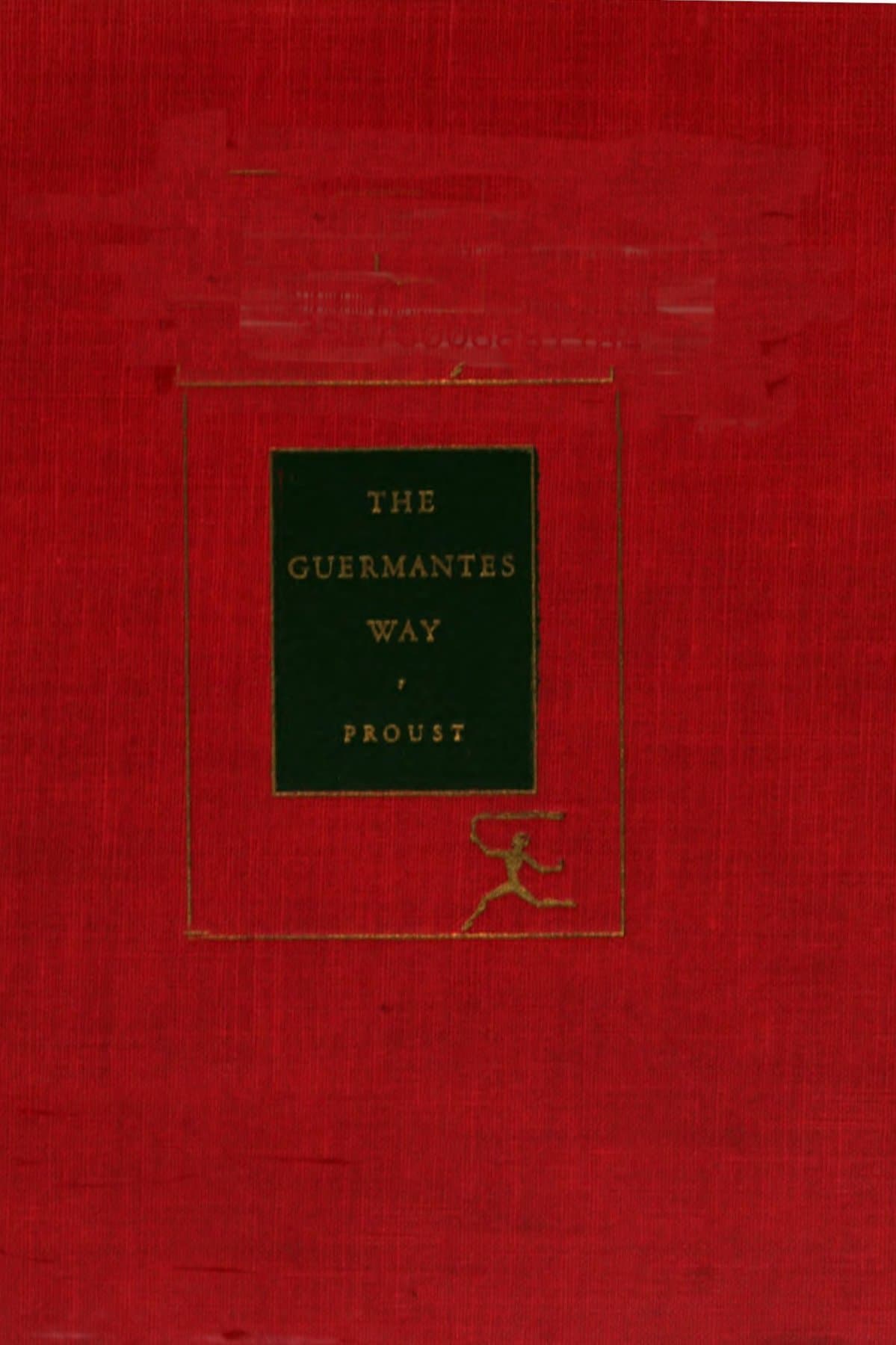
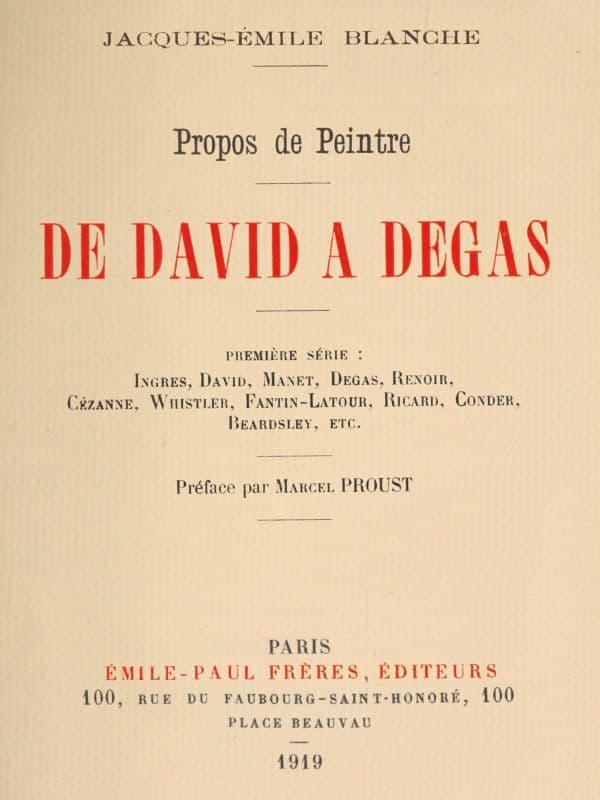
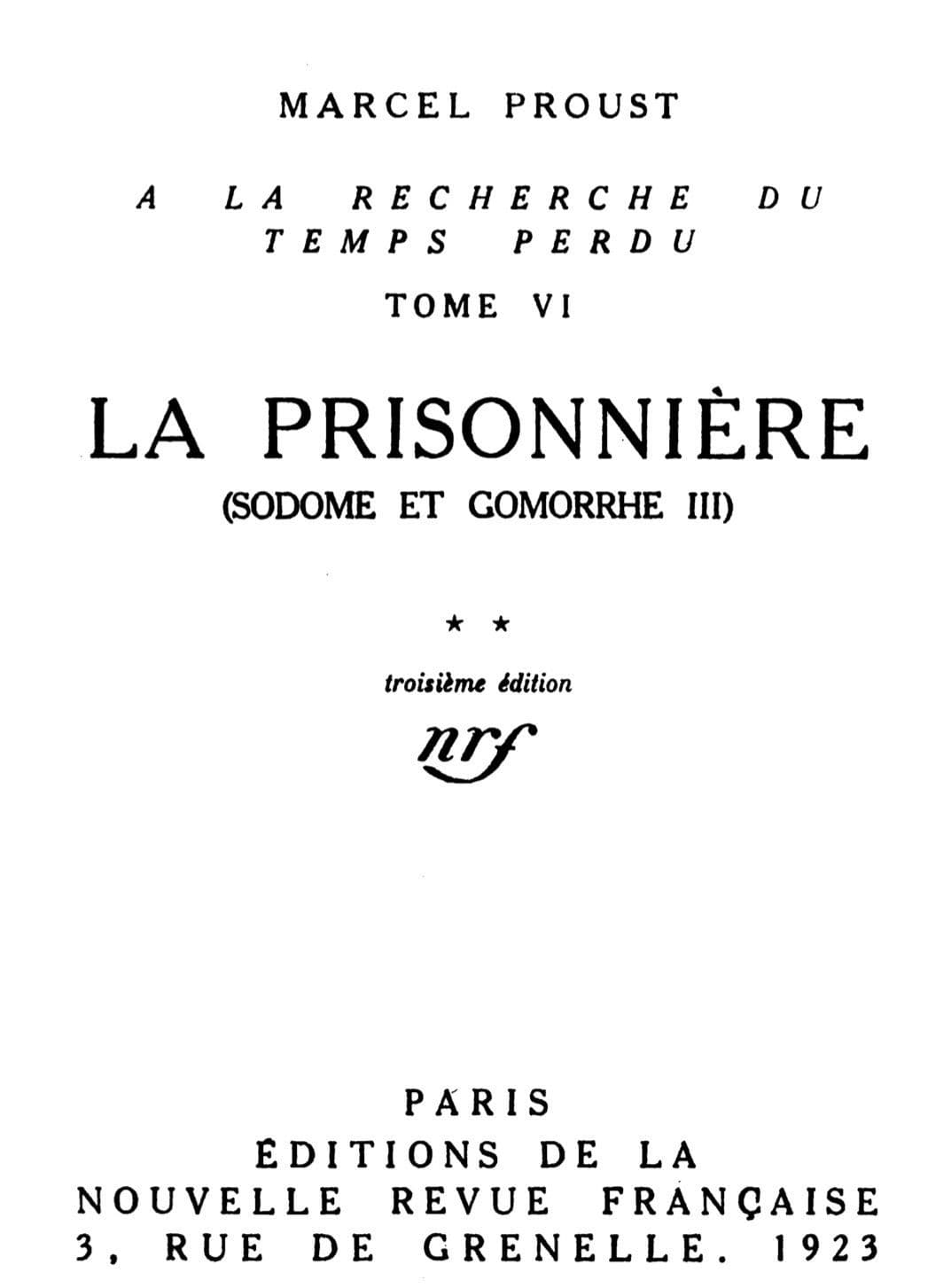
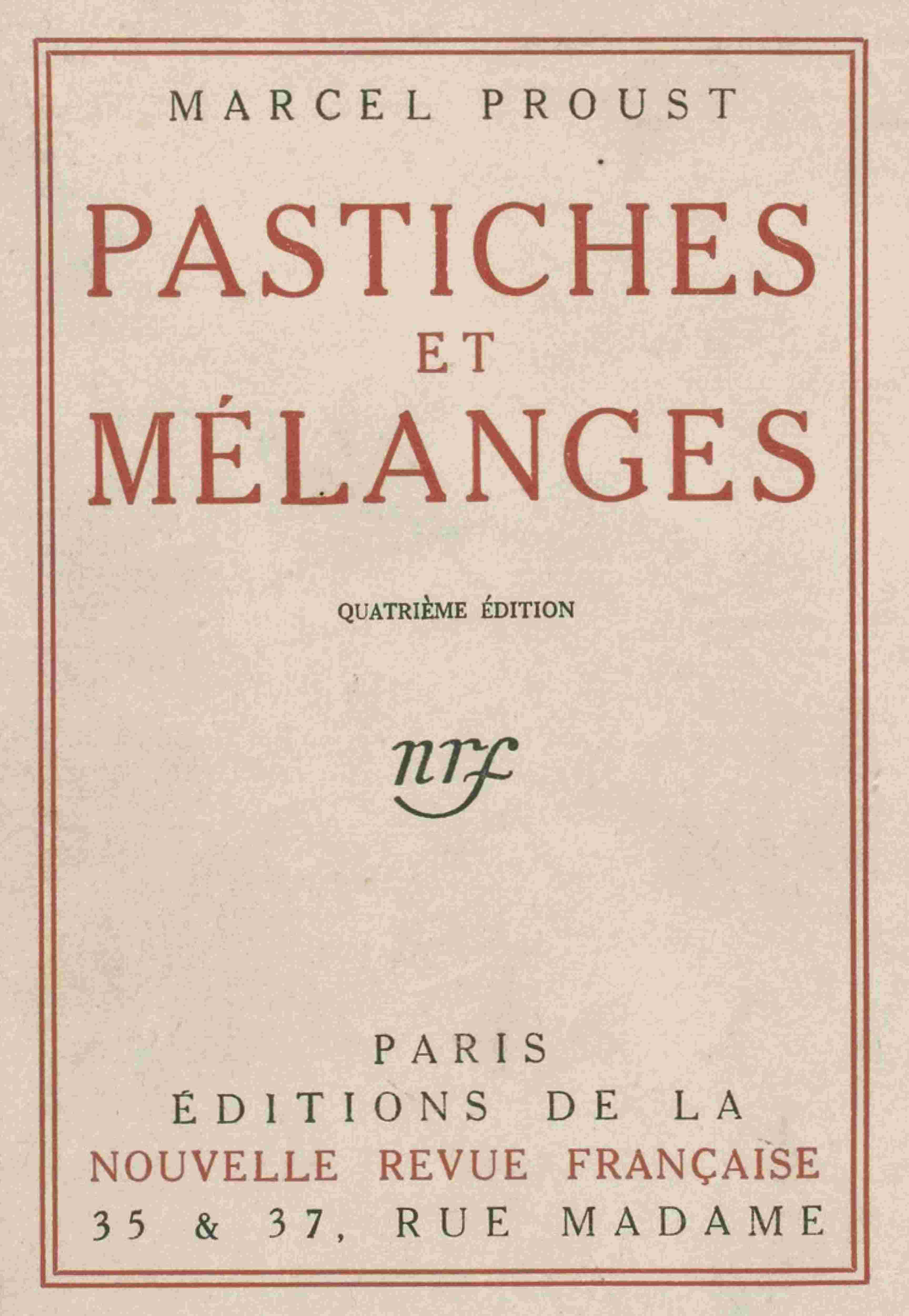
Books from the author




Link to this page
Add a free, dofollow link to Lex on your blog, forum, syllabus, or reading list.

<a href="https://lex-books.com/author/marcel-proust"><img src="https://lex-books.com/badges/read-on-lex.svg" alt="Marcel Proust on Lex" width="160" height="40"></a>[](https://lex-books.com/author/marcel-proust)[url=https://lex-books.com/author/marcel-proust][img]https://lex-books.com/badges/read-on-lex.svg[/img][/url]Marcel Proust on Lex: https://lex-books.com/author/marcel-proust