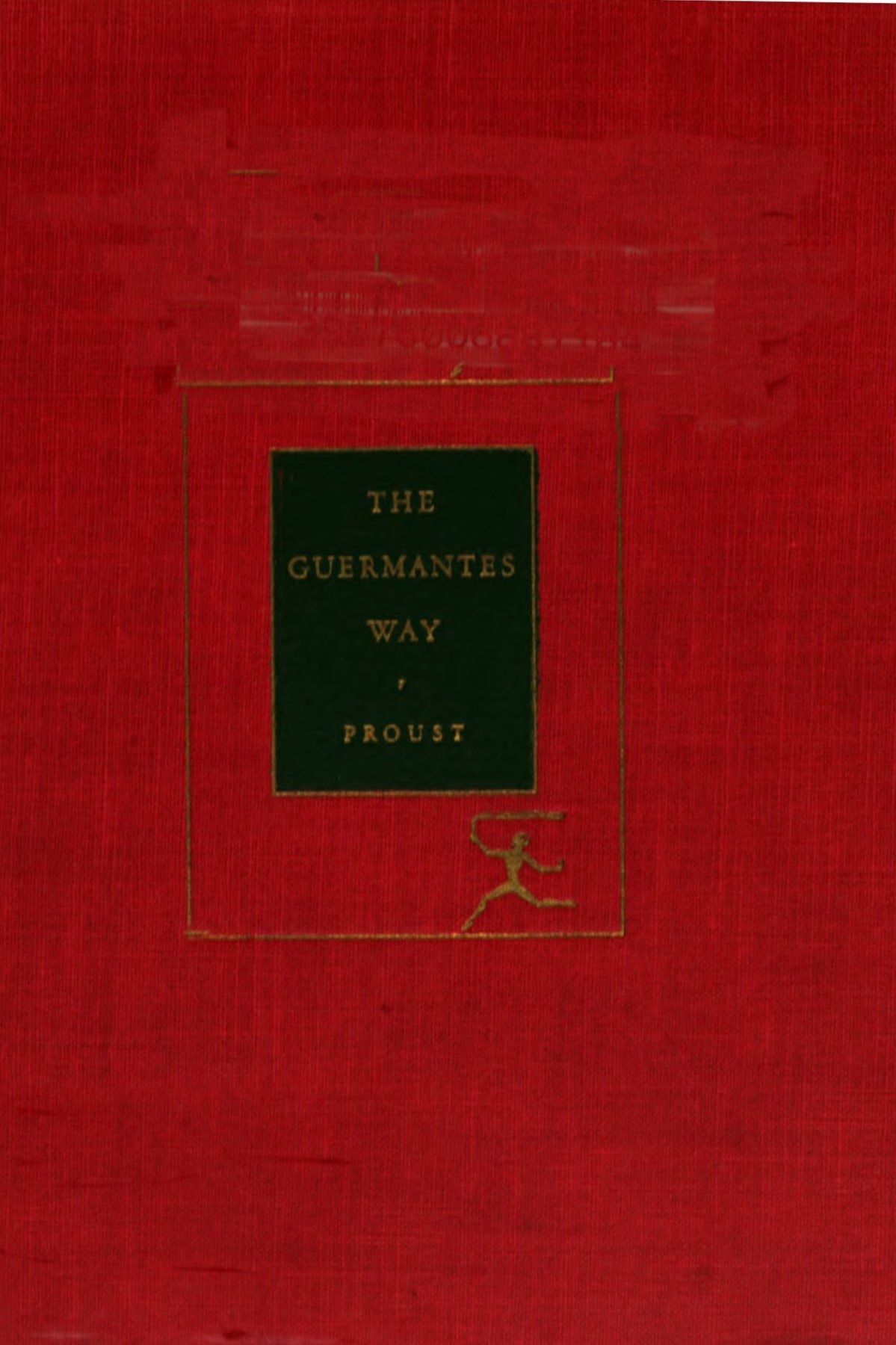
The Guermantes Way
1920
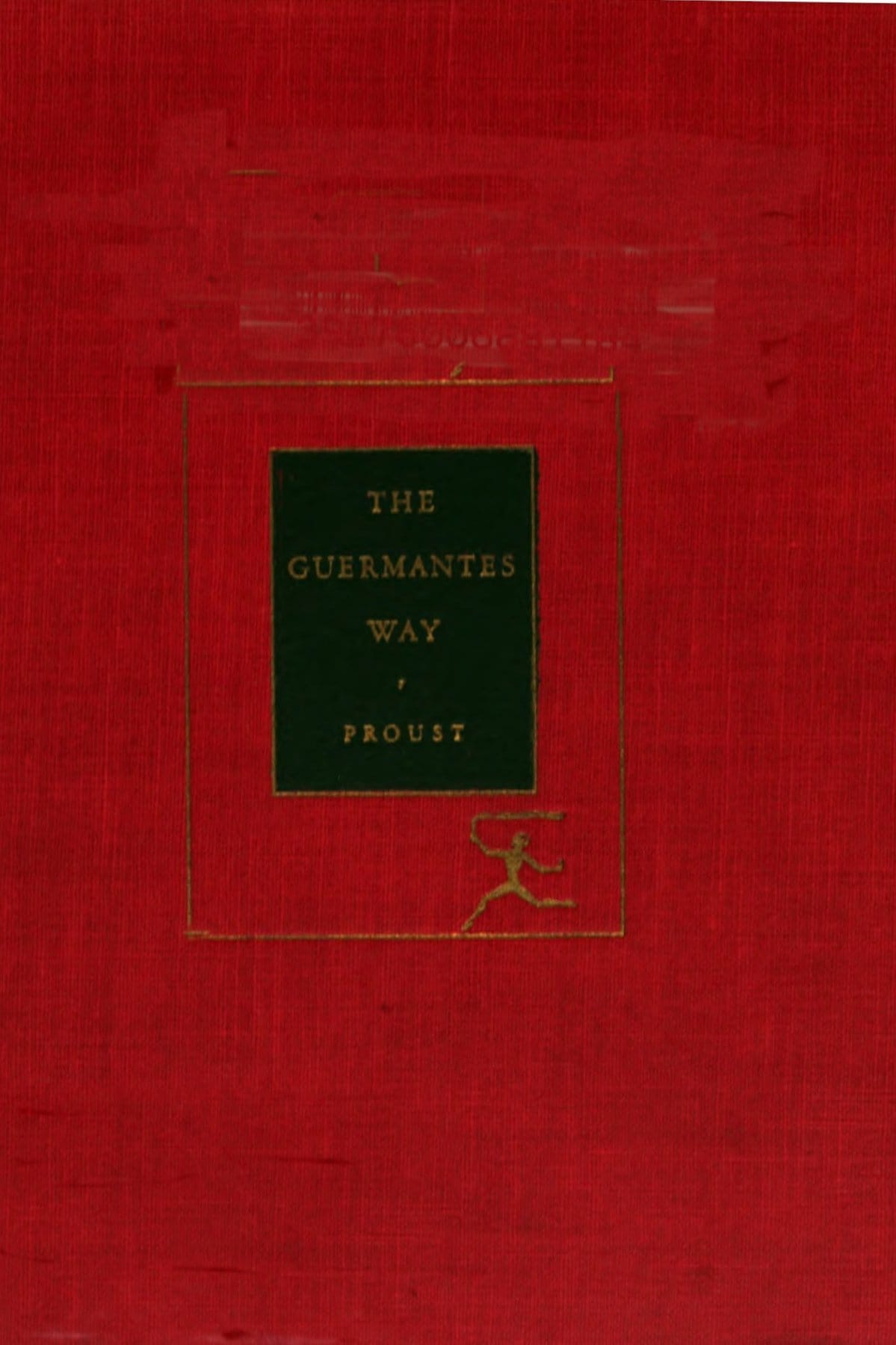
The Guermantes Way
1920
Translated by C. K. (Charles Kenneth) Scott-Moncrieff
The Guermantes Way opens with the narrator relocating to a new neighborhood in Paris, where his world contracts to the narrow concerns of his household and the invisible labor of servants. But this smallness is deceptive. As the young man becomes obsessed with entering the dazzling circle of the Duc and Duchesse de Guermantes, Proust unfolds one of literature's most piercing examinations of social aspiration and its discontents. We watch the narrator maneuver through aristocratic salons, mistaking proximity to greatness for actual connection, while his grandmother dies quietly and his health fails. The novel mocks nothing and no one overtly; instead, Proust captures the precise texture of longing, the way we invest places and people with meanings they do not possess, and how time transforms desire into memory before we've even finished desiring. The Guermantes themselves emerge as fully human, neither gods nor monsters but frail creatures trapped in their own rituals, their own jealousies, their own desperate need to be seen.
Editions
X-Ray
“Love is not vain because it is frustrated, but because it is fulfilled. The people we love turn to ashes when we posess them.””
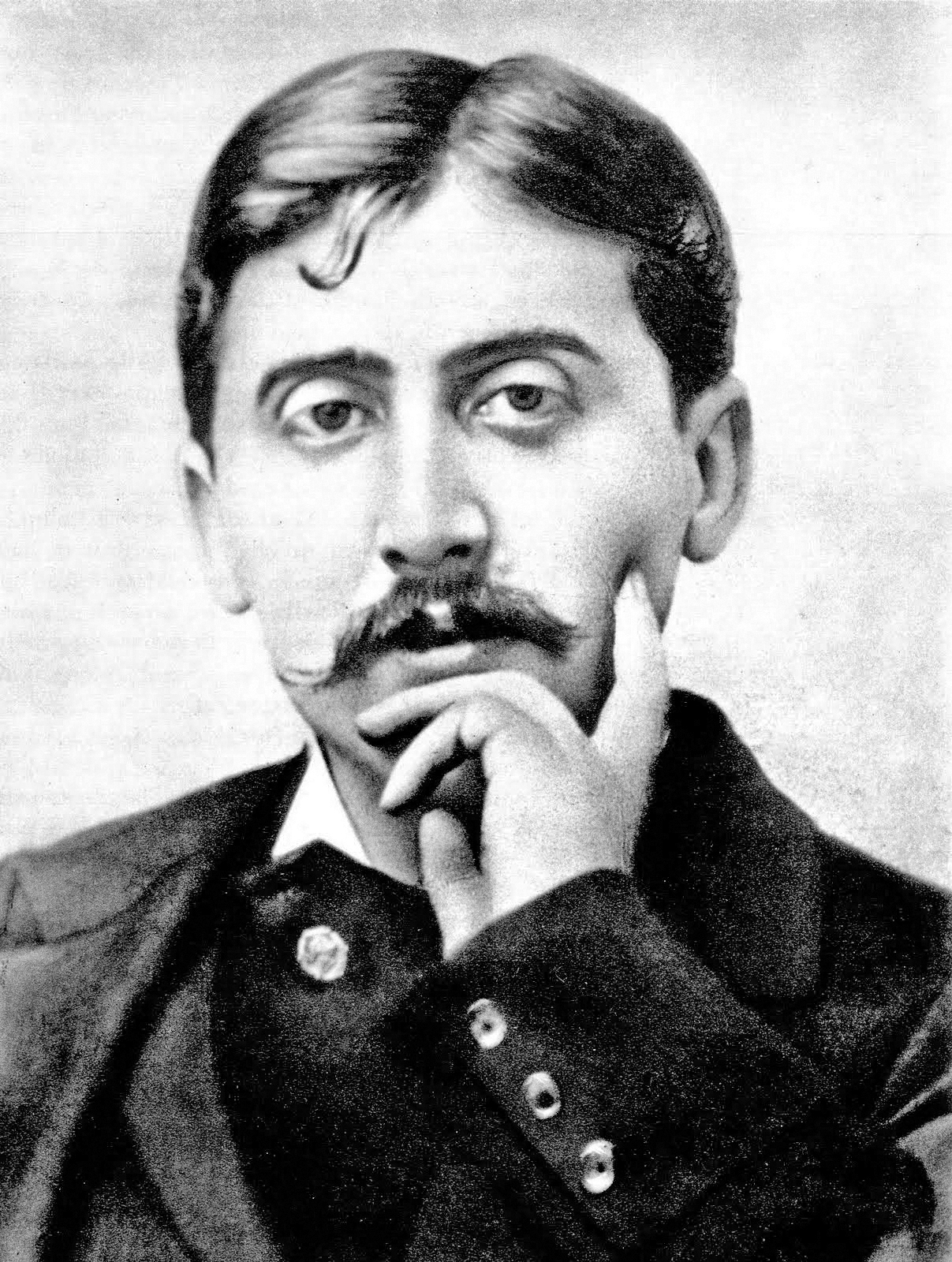
— Marcel Proust
“Nine tenths of the ills from which intelligent people suffer spring from their intellect. They need at least a doctor who understands the disease. How can you expect Cottard to be able to treat you? He has made allowances for the difficulty of digesting sauces, for gastric trouble, but he has made no allowance for the effect of reading Shakespeare.””
— Marcel Proust
“Medicine, when it fails to cure, busies itself with changing the sense of verbs and pronouns.””
— Marcel Proust
“Una certa somiglianza esiste, pur evolvendosi, fra le donne che via via amiamo, e dipende dalla fissità del nostro temperamento il quale, assumendosi l'incarico di sceglierle, elimina tutte quelle che non siano per noi, ad un tempo, opposte e complementari, vale a dire atte a soddisfare i nostri sensi e a far soffrire il nostro cuore.””
— Marcel Proust
Link to this book
Add a free, dofollow link to Lex on your blog, forum, syllabus, or reading list.

<a href="https://lex-books.com/book/the-guermantes-way-21063182-197e-4d44-94aa-85b925791ecf"><img src="https://lex-books.com/badges/read-on-lex.svg" alt="Read The Guermantes Way by Marcel Proust free on Lex" width="160" height="40"></a>[](https://lex-books.com/book/the-guermantes-way-21063182-197e-4d44-94aa-85b925791ecf)[url=https://lex-books.com/book/the-guermantes-way-21063182-197e-4d44-94aa-85b925791ecf][img]https://lex-books.com/badges/read-on-lex.svg[/img][/url]Read The Guermantes Way by Marcel Proust free on Lex: https://lex-books.com/book/the-guermantes-way-21063182-197e-4d44-94aa-85b925791ecfCite this book
Reading this edition for a paper or guide? Copy a citation.
Proust, Marcel. The Guermantes Way. Lex, lex-books.com/book/the-guermantes-way-21063182-197e-4d44-94aa-85b925791ecf.Proust, M. (1920). The Guermantes Way. Lex. https://lex-books.com/book/the-guermantes-way-21063182-197e-4d44-94aa-85b925791ecfProust, Marcel. The Guermantes Way. Lex. https://lex-books.com/book/the-guermantes-way-21063182-197e-4d44-94aa-85b925791ecf.