Du Côté De Chez Swann
1919
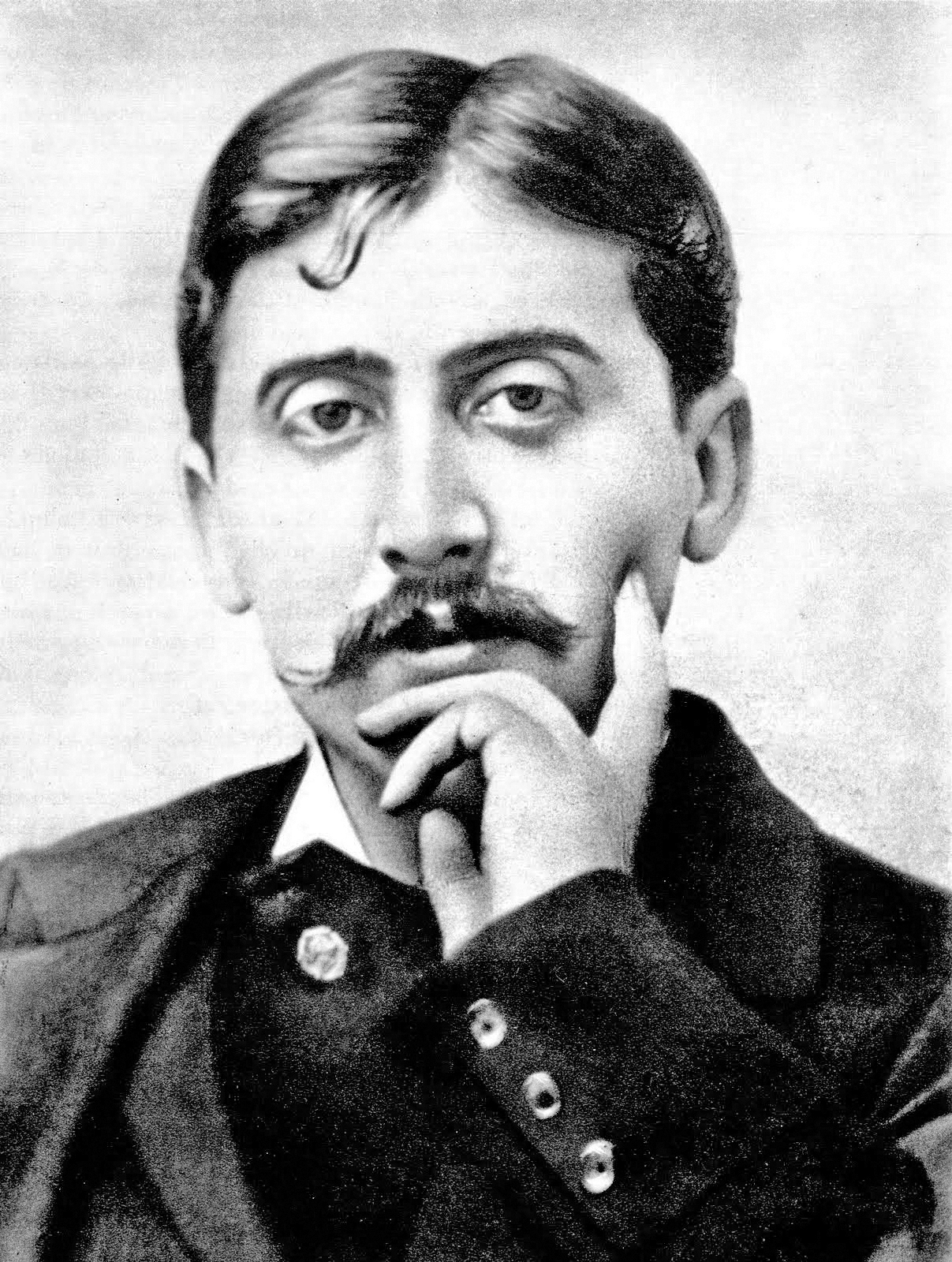
You dip a madeleine into tea, and suddenly you are back in your grandmother's house in Combray, decades ago, weeping over a story you cannot finish. This is not ordinary memory. This is involuntary memory, the great discovery that powers Proust's revolutionary masterpiece. The novel opens with the narrator Marcel struggling to sleep, his consciousness floating between waking and dreaming, before plunging into the world of his childhood: the oppressive heat of summer afternoons, the ritual of the goodnight kiss, the adults' strange performances of social climbing around the enigmatic Charles Swann. We meet Odette, the woman Swann loves with such torturous devotion, and we watch Marcel grow up in the shadow of desire and jealousy. But this is not plot. It is the texture of consciousness itself, rendered in prose so sensuous it becomes almost palpable. Proust believed that the moments when the past returns unbidden are the only true moments of our lives, and he spent seventeen years crafting a novel that proves it. For readers who want to understand how a single sip of tea can contain the entire past.
Editions
Link to this book
Add a free, dofollow link to Lex on your blog, forum, syllabus, or reading list.

<a href="https://lex-books.com/book/du-c-t-de-chez-swann-13659fde-9fc3-43f0-beee-c350d9848cf5"><img src="https://lex-books.com/badges/read-on-lex.svg" alt="Read Du Côté De Chez Swann by Marcel Proust free on Lex" width="160" height="40"></a>[](https://lex-books.com/book/du-c-t-de-chez-swann-13659fde-9fc3-43f0-beee-c350d9848cf5)[url=https://lex-books.com/book/du-c-t-de-chez-swann-13659fde-9fc3-43f0-beee-c350d9848cf5][img]https://lex-books.com/badges/read-on-lex.svg[/img][/url]Read Du Côté De Chez Swann by Marcel Proust free on Lex: https://lex-books.com/book/du-c-t-de-chez-swann-13659fde-9fc3-43f0-beee-c350d9848cf5Cite this book
Reading this edition for a paper or guide? Copy a citation.
Proust, Marcel. Du Côté De Chez Swann. Lex, lex-books.com/book/du-c-t-de-chez-swann-13659fde-9fc3-43f0-beee-c350d9848cf5.Proust, M. (1919). Du Côté De Chez Swann. Lex. https://lex-books.com/book/du-c-t-de-chez-swann-13659fde-9fc3-43f0-beee-c350d9848cf5Proust, Marcel. Du Côté De Chez Swann. Lex. https://lex-books.com/book/du-c-t-de-chez-swann-13659fde-9fc3-43f0-beee-c350d9848cf5.