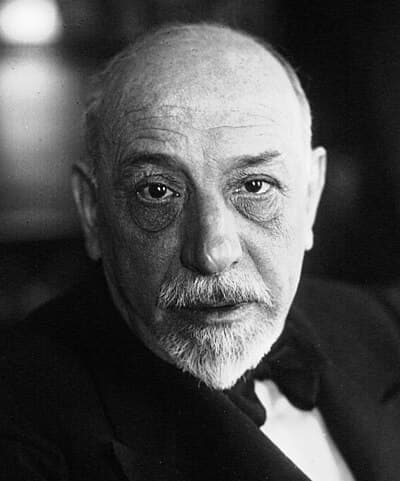
Luigi Pirandello
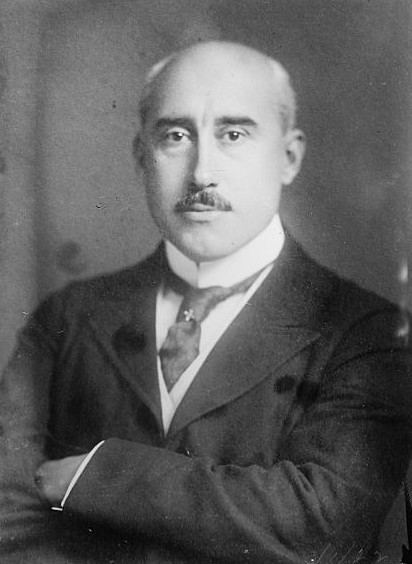
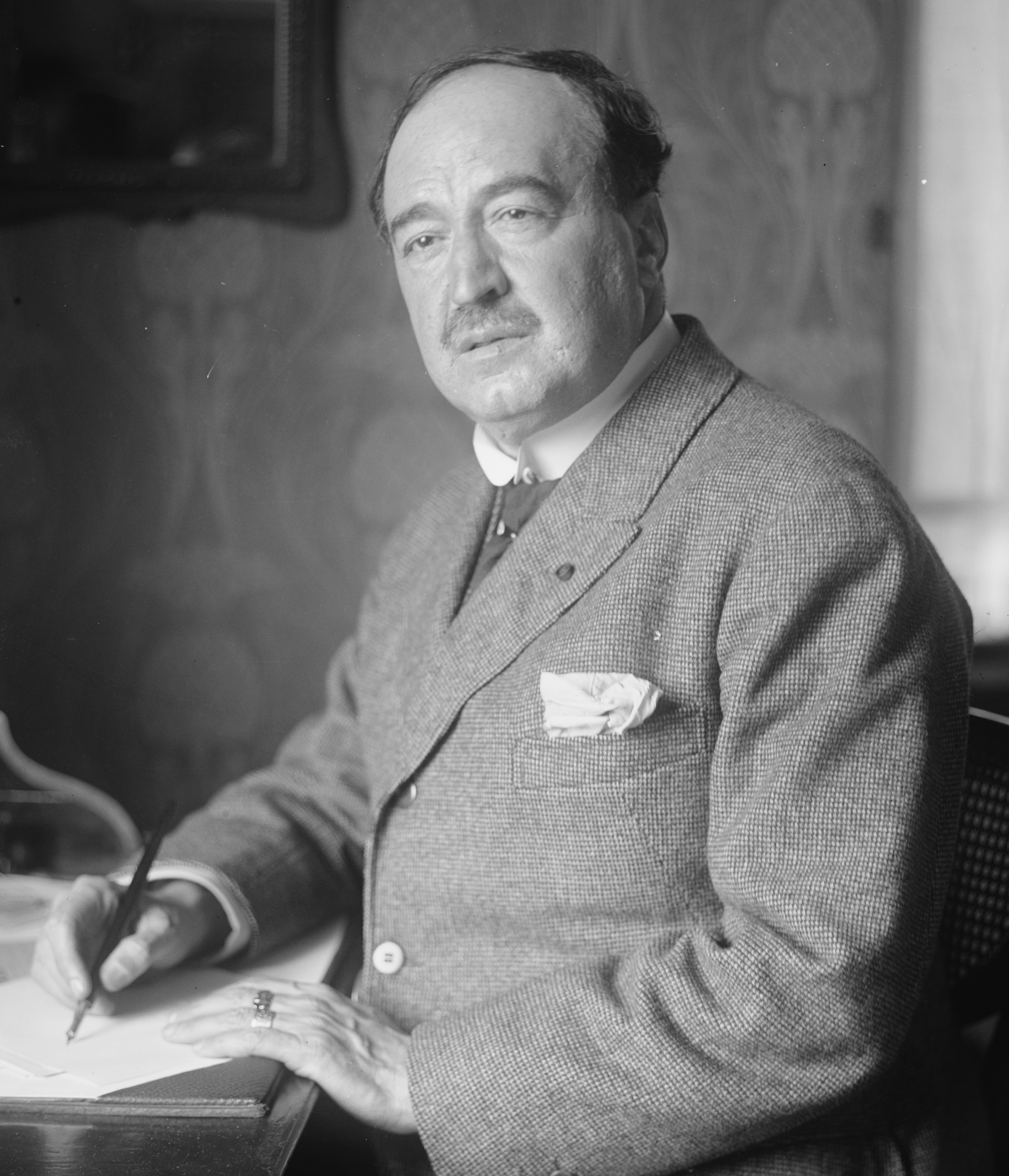
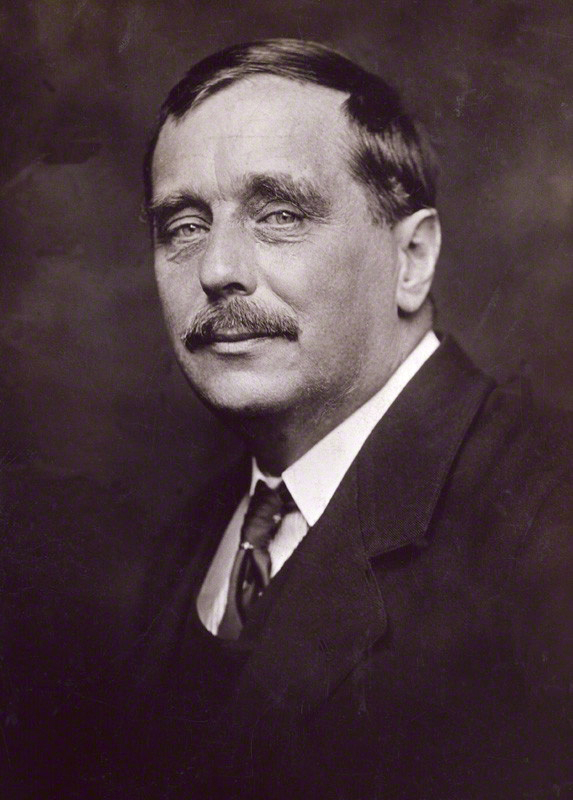
Luigi Pirandello was an influential Italian playwright, novelist, and poet, renowned for his innovative contributions to modern drama. His works often explored themes of identity, reality, and the nature of existence, making him a pivotal figure in the evolution of theatrical expression. Notable for his tragic farces, Pirandello's plays, such as 'Six Characters in Search of an Author' and 'Henry IV', challenged traditional narrative structures and delved into the complexities of human psychology. His unique style and thematic depth positioned him as a precursor to the Theatre of the Absurd, influencing generations of playwrights and writers. Awarded the Nobel Prize in Literature in 1934, Pirandello's legacy extends beyond his prolific output of plays, novels, and short stories. His ability to blend humor with profound philosophical questions set him apart in the literary landscape of the early 20th century. Through his exploration of the fragmented self and the fluidity of reality, Pirandello left an indelible mark on both Italian literature and global theatre, cementing his status as a master of modern drama.
Famous Quotes
View all 3 quotes“Life is full of strange absurdities, which, strangely enough, do not even need to appear plausible, since they are true.”
“THE FATHER: But don't you see that the whole trouble lies here? In words, words. Each one of us has within him a whole world of things, each man of us his own special world. And how can we ever come to an understanding if I put in the words I utter the sense and value of things as I see them; while you who listen to me must inevitably translate them according to the conception of things each one of you has within himself. We think we understand each other, but we never really do.”
“Our spirits have their own private way of understanding each other, of becoming intimate, while our external persons are still trapped in the commerce of ordinary words, in the slavery of social rules. Souls have their own needs and their own ambitions, which the body ignores when it sees that it's impossible to satisfy them or achieve them.”
Books from the author
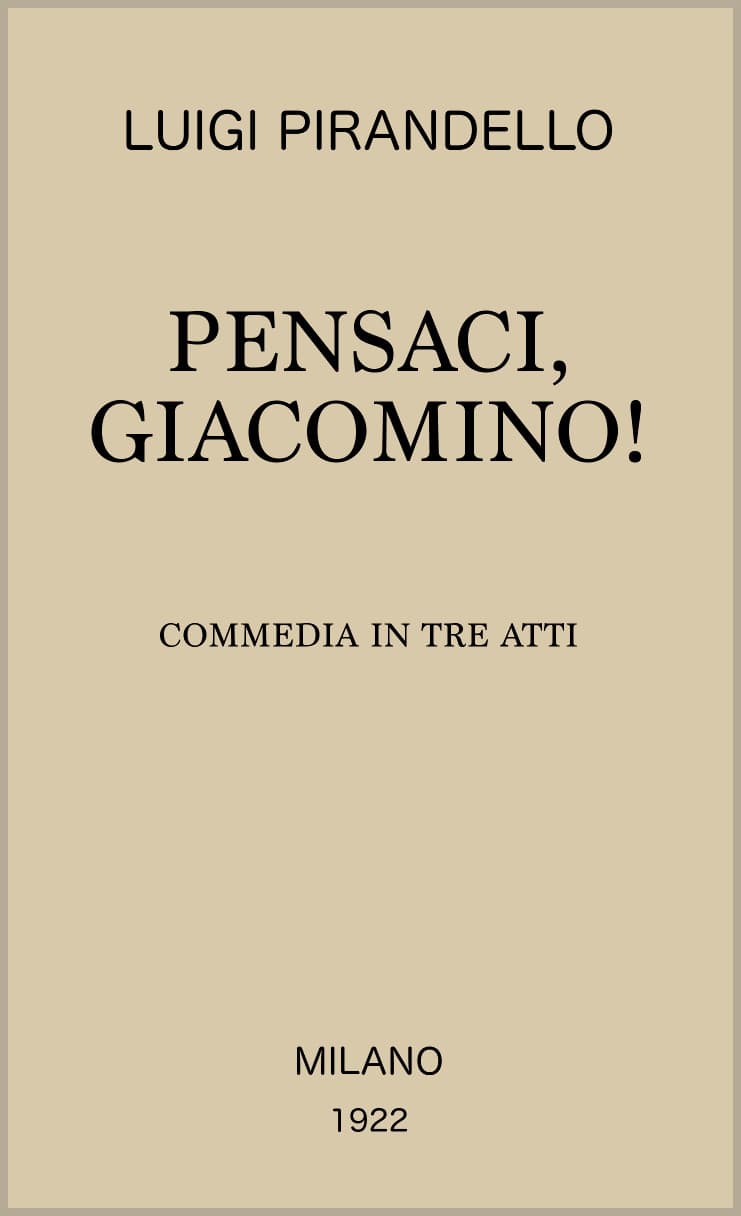
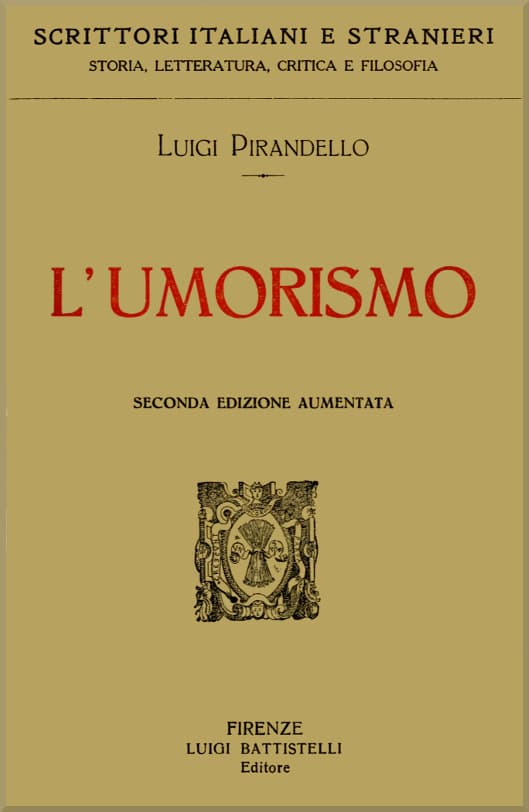
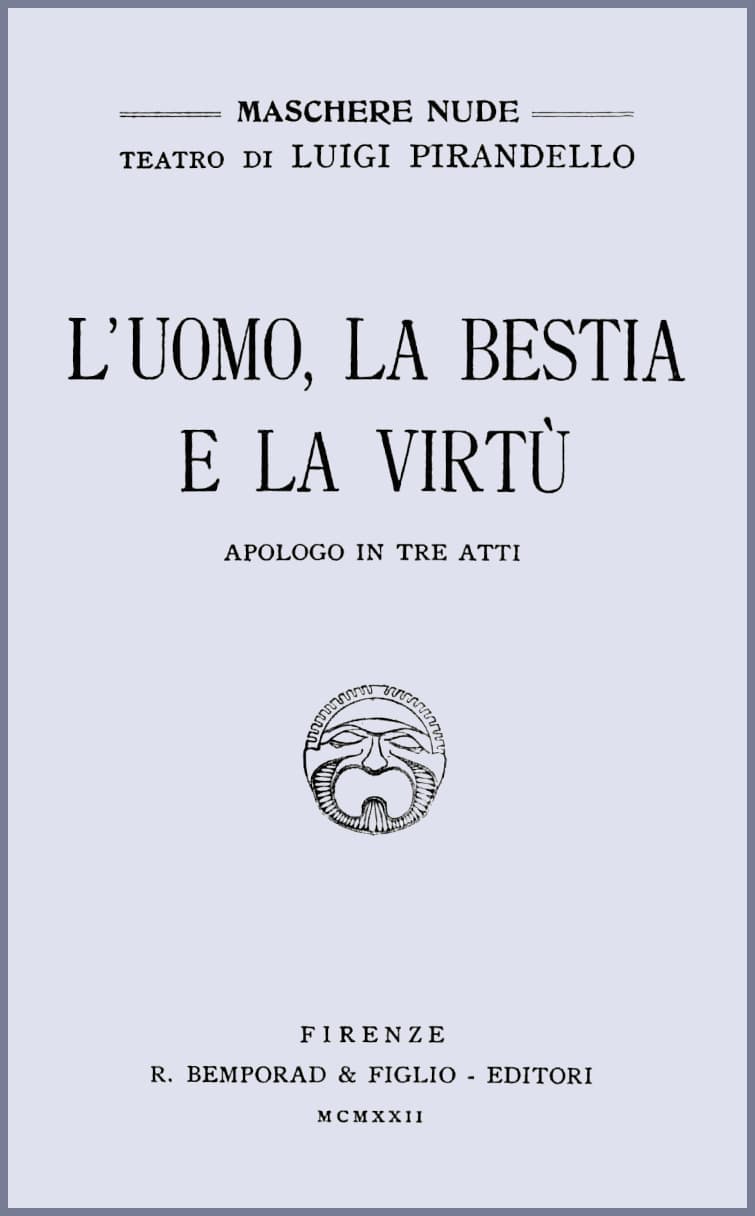



Link to this page
Add a free, dofollow link to Lex on your blog, forum, syllabus, or reading list.

<a href="https://lex-books.com/author/luigi-pirandello"><img src="https://lex-books.com/badges/read-on-lex.svg" alt="Luigi Pirandello on Lex" width="160" height="40"></a>[](https://lex-books.com/author/luigi-pirandello)[url=https://lex-books.com/author/luigi-pirandello][img]https://lex-books.com/badges/read-on-lex.svg[/img][/url]Luigi Pirandello on Lex: https://lex-books.com/author/luigi-pirandello