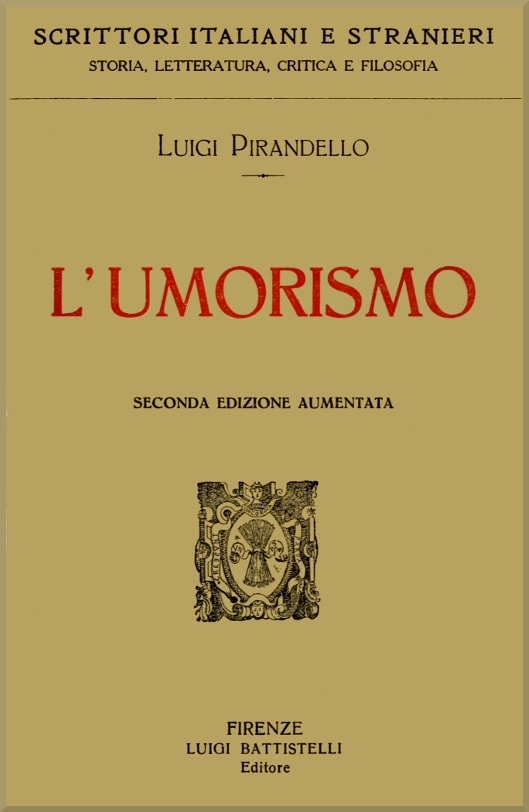
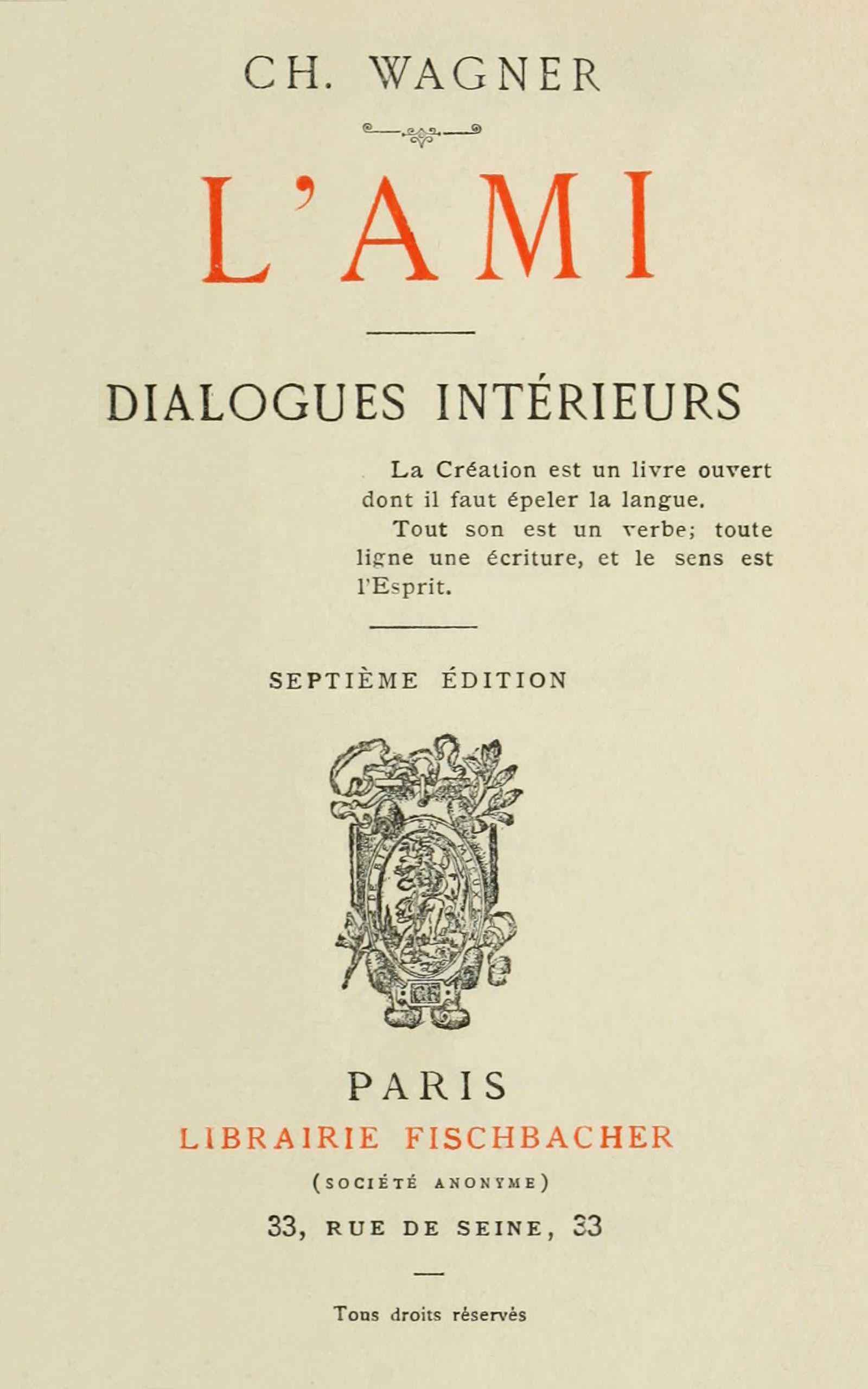
L'umorismo
1908
Pirandello's 1908 philosophical treatise dissects humor not as mere laughter, but as a fracture in our comfortable certainties. What begins as an etymological journey through the word "humor" soon becomes something far more radical: an inquiry into how we construct meaning, preserve illusions, and ultimately deceive ourselves about the nature of reality. Pirandello argues that true humor emerges only when we recognize the grotesque distance between who we pretend to be and who we actually are, between the masks we wear and the void beneath them. The essay builds toward a devastating conclusion: that humor, at its deepest, is a form of philosophical courage, a willingness to see clearly what society demands we overlook. Written with the same paradoxical wit that would later fuel his novels and plays, this is not a dry academic exercise but a provocation, one that asks whether we can bear to laugh at our own contradictions.
Editions
X-Ray
“Se la morte, signor mio, fosse come uno di quegl’insetti strani, schifosi, che qualcuno inopinatamente ci scopre addosso... Lei passa per via; un altro passante, all’improvviso, lo ferma e, cauto, con due dita protese, le dice: «Scusi, permette? lei, egregio signore, ci ha la morte addosso». E con quelle due dita protese, gliela piglia e gliela butta via... Sarebbe magnifica! Ma la morte non è come uno di questi insetti schifosi. Tanti che passeggiano disinvolti e alieni, forse ce l’hanno addosso; nessuno la vede; ed essi pensano intanto tranquilli a ciò che faranno domani o doman l’altro.””
— Luigi Pirandello
Link to this book
Add a free, dofollow link to Lex on your blog, forum, syllabus, or reading list.

<a href="https://lex-books.com/book/l-umorismo-6cf7c394-e7c1-491e-b6a5-bd79abdabc96"><img src="https://lex-books.com/badges/read-on-lex.svg" alt="Read L'umorismo by Luigi Pirandello free on Lex" width="160" height="40"></a>[](https://lex-books.com/book/l-umorismo-6cf7c394-e7c1-491e-b6a5-bd79abdabc96)[url=https://lex-books.com/book/l-umorismo-6cf7c394-e7c1-491e-b6a5-bd79abdabc96][img]https://lex-books.com/badges/read-on-lex.svg[/img][/url]Read L'umorismo by Luigi Pirandello free on Lex: https://lex-books.com/book/l-umorismo-6cf7c394-e7c1-491e-b6a5-bd79abdabc96Cite this book
Reading this edition for a paper or guide? Copy a citation.
Pirandello, Luigi. L'umorismo. Lex, lex-books.com/book/l-umorismo-6cf7c394-e7c1-491e-b6a5-bd79abdabc96.Pirandello, L. (1908). L'umorismo. Lex. https://lex-books.com/book/l-umorismo-6cf7c394-e7c1-491e-b6a5-bd79abdabc96Pirandello, Luigi. L'umorismo. Lex. https://lex-books.com/book/l-umorismo-6cf7c394-e7c1-491e-b6a5-bd79abdabc96.