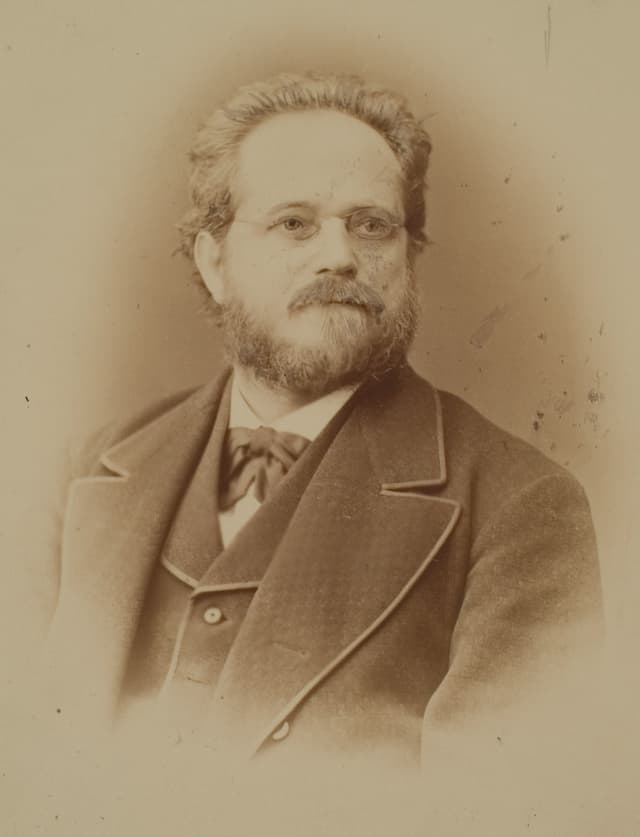
Ludwig Nohl
Ludwig Nohl was a German writer and musicologist renowned for his contributions to the study of classical music, particularly his discovery and publication of Ludwig van Beethoven's beloved bagatelle, "Für Elise." Born in Iserlohn, Nohl's early life was steeped in the rich musical traditions of Germany, which would later inform his scholarly pursuits. He dedicated much of his career to exploring the works of prominent composers, and his efforts helped to illuminate the intricacies of their music for a broader audience. Nohl's significance lies not only in his role as a musicologist but also in his ability to bridge the gap between music and literature. His writings often reflected a deep understanding of the emotional and cultural contexts surrounding the compositions he studied. Through his work, he played a crucial role in preserving and promoting Beethoven's legacy, ensuring that pieces like "Für Elise" would endure as staples of classical repertoire. Nohl's legacy continues to influence musicology and the appreciation of classical music, marking him as a key figure in the 19th-century musical landscape.
Books from the author


Link to this page
Add a free, dofollow link to Lex on your blog, forum, syllabus, or reading list.

<a href="https://lex-books.com/author/ludwig-nohl"><img src="https://lex-books.com/badges/read-on-lex.svg" alt="Ludwig Nohl on Lex" width="160" height="40"></a>[](https://lex-books.com/author/ludwig-nohl)[url=https://lex-books.com/author/ludwig-nohl][img]https://lex-books.com/badges/read-on-lex.svg[/img][/url]Ludwig Nohl on Lex: https://lex-books.com/author/ludwig-nohl