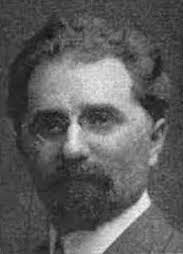
Louis Ginzberg
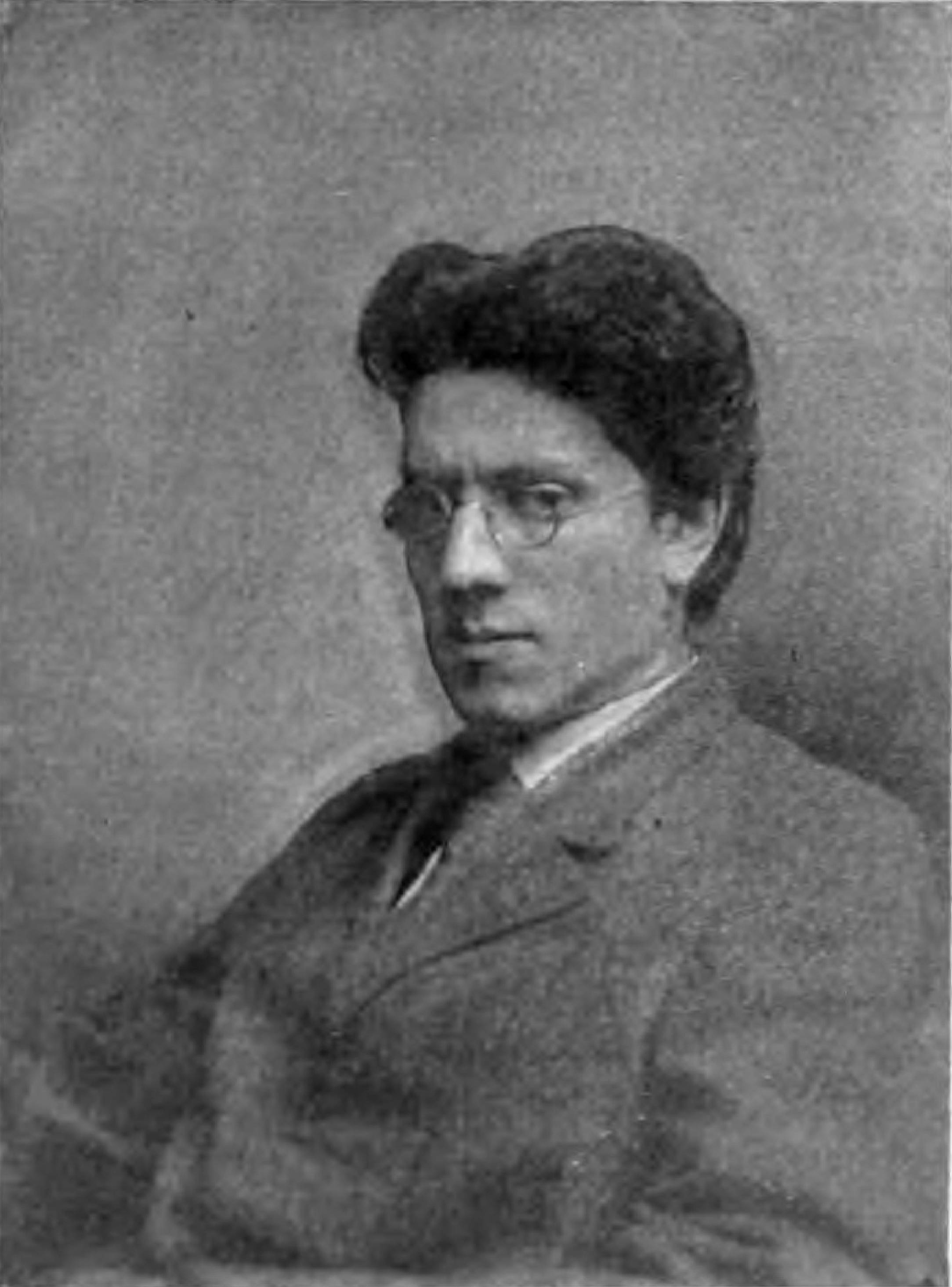
Louis Ginzberg was a prominent rabbi and Talmudic scholar who played a significant role in the development of Conservative Judaism in the early 20th century. Born in Lithuania and later emigrating to the United States, Ginzberg became a leading figure in Jewish scholarship, known for his extensive contributions to The Jewish Encyclopedia, where he served as a contributing editor. His work not only reflected his deep commitment to Jewish tradition but also sought to make Jewish texts accessible and relevant to contemporary audiences. Among his notable works, Ginzberg is best remembered for 'The Legends of the Jews,' a comprehensive collection of Jewish folklore and biblical legends that has been influential in both religious and literary circles. His scholarship emphasized the importance of integrating Jewish history and culture into modern life, and he was instrumental in promoting the study of Jewish texts in a way that resonated with the evolving Jewish identity in America. Ginzberg's legacy endures through his contributions to Jewish education and his efforts to bridge traditional Jewish thought with modernity, making him a pivotal figure in American Jewish history.
Famous Quotes
View all 3 quotes“For every species on land, excepting only the weasel, there is a corresponding species in the water,”
“The new Pharaoh surpassed his father Malol and all the former kings in wickedness, and he made heavier the yoke upon the children of Israel. He went to Goshen with his servants, and increased their labor, and he said unto them, "Complete your work, each day's task, and let not your hands slacken from the work from this day forward, as you did in the day of my father." He placed officers over them from amongst the children of Israel, and over these officers he placed taskmasters from amongst his servants. And he put before them a measure for bricks, according to the number they were to make day by day, and whenever any deficiency was discovered in the measure of their daily bricks, the taskmasters of Pharaoh would go to the women of the children of Israel, and take their infants from them, as many as the number of bricks lacking in the measure, and these babes they put into the building instead of the missing bricks. The taskmasters forced each man of the Israelites to put his own child in the building. The father would place his son in the wall, and cover him over with mortar, all the while weeping, his tears running down upon his child.”
“The dolphins are half man and half fish; they even have sexual intercourse with human beings; therefore they are called also "sons of the sea," for in a sense they represent the human kind in the waters.[163]”
Books from the author






Link to this page
Add a free, dofollow link to Lex on your blog, forum, syllabus, or reading list.

<a href="https://lex-books.com/author/louis-ginzberg"><img src="https://lex-books.com/badges/read-on-lex.svg" alt="Louis Ginzberg on Lex" width="160" height="40"></a>[](https://lex-books.com/author/louis-ginzberg)[url=https://lex-books.com/author/louis-ginzberg][img]https://lex-books.com/badges/read-on-lex.svg[/img][/url]Louis Ginzberg on Lex: https://lex-books.com/author/louis-ginzberg