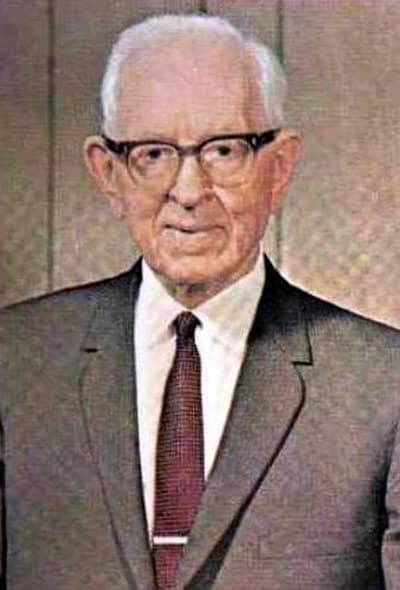
Joseph Fielding Smith
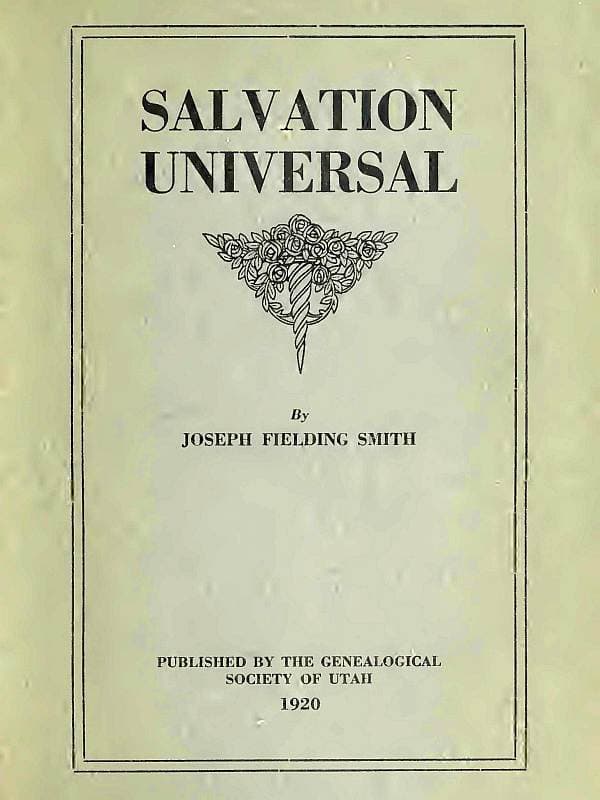
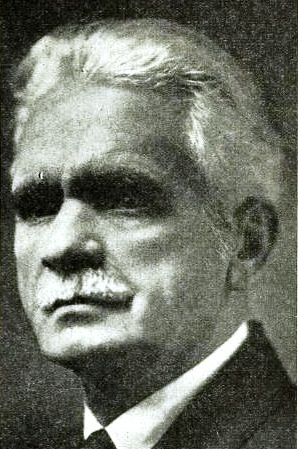
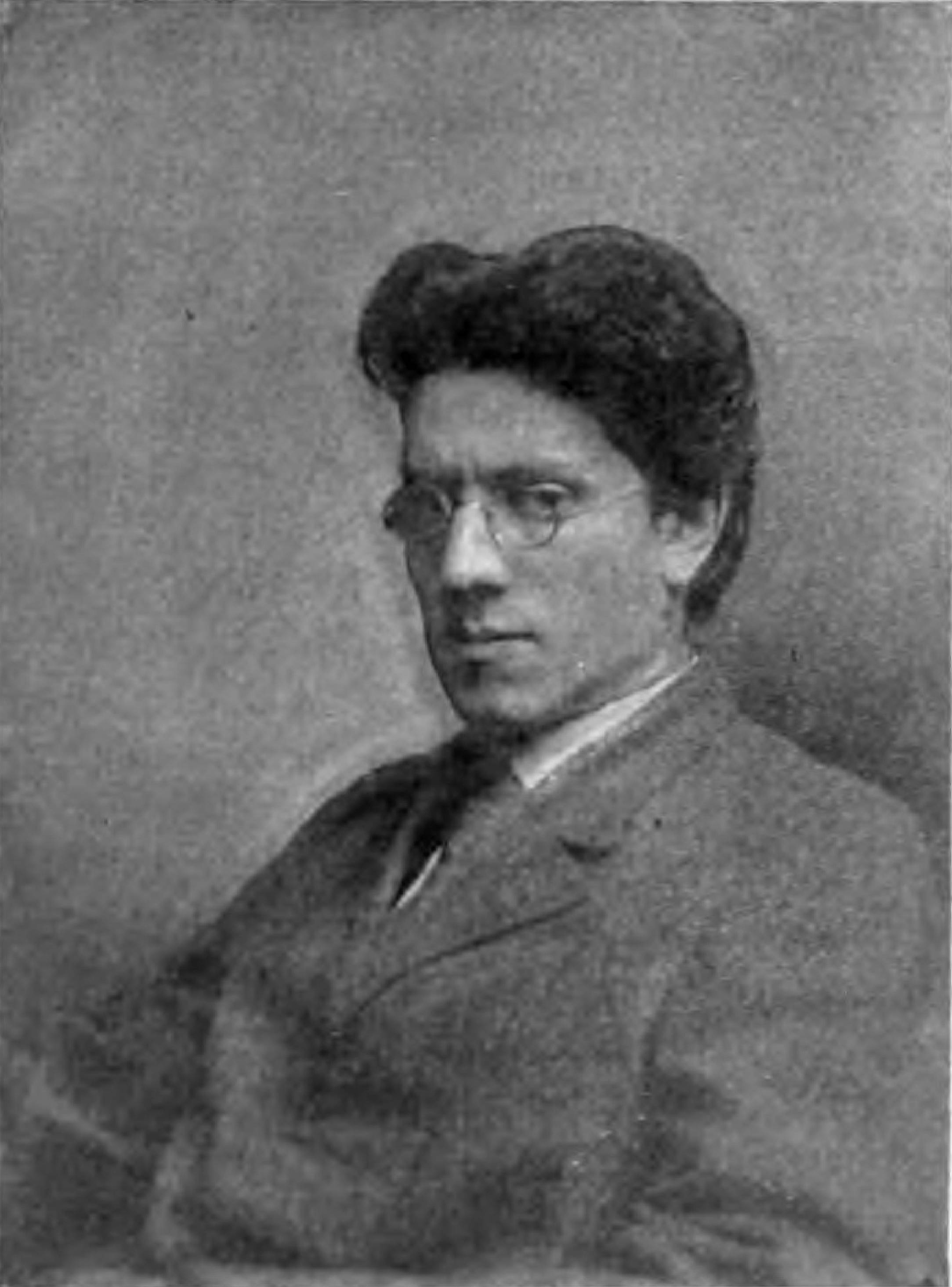
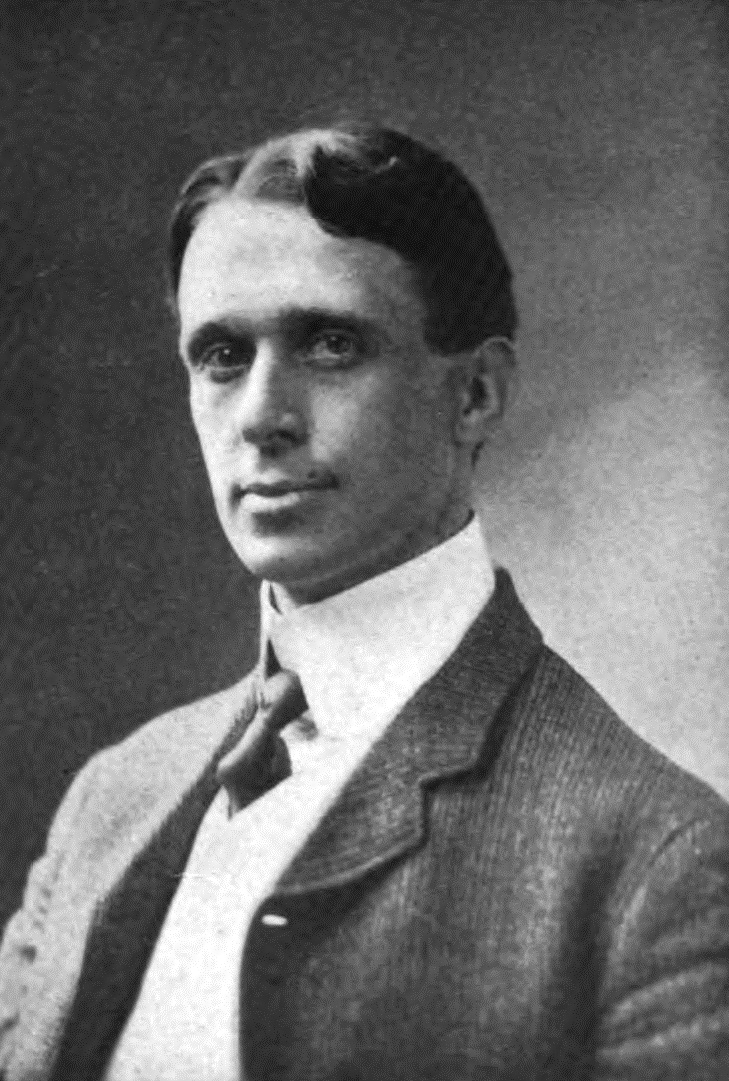
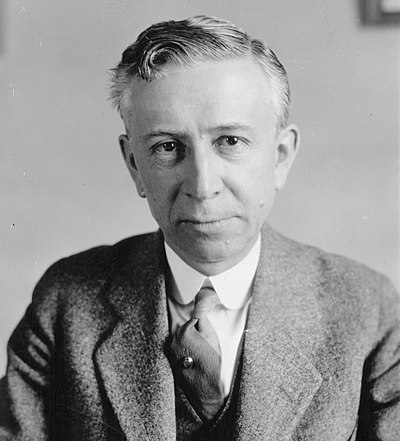
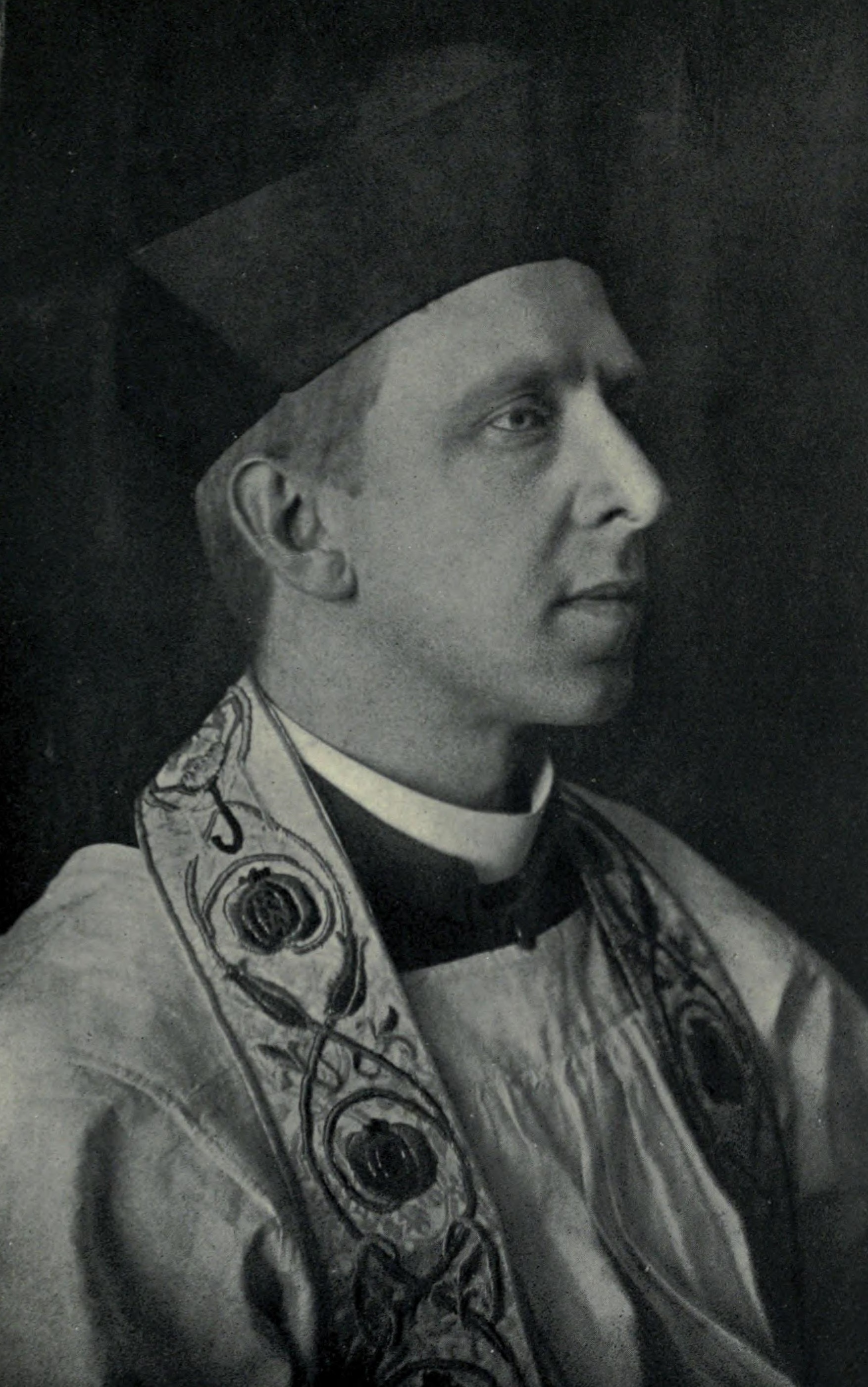
Joseph Fielding Smith Jr. was a prominent American religious leader and writer, best known for his role as the tenth president of the Church of Jesus Christ of Latter-day Saints (LDS Church) from 1970 until his death in 1972. Born into a family deeply rooted in the church, he was the son of former president Joseph F. Smith and the great-nephew of church founder Joseph Smith. His ecclesiastical career began in 1910 when he was appointed to the Quorum of the Twelve Apostles, a position he held for six decades, including a significant tenure as President of the Quorum from 1951 to 1970. Notably, he became president of the church at the age of 93, marking the oldest age at which anyone has assumed this role in its history. Smith was not only a leader but also a prolific writer and religious scholar, with many of his works serving as important references for church members. His doctrinal stance was characterized by a rigid orthodoxy, particularly in his conservative views on evolution and race. However, as he aged, it was noted that he exhibited a degree of flexibility, allowing for some reforms during his presidency. Smith's legacy is marked by his commitment to the church's teachings and his influence on its direction during a time of significant change in American society and within the church itself.
Famous Quotes
View all 3 quotes“Satan has control now. No matter where you look, he is in control, even in our own land. He is guiding the governments as far as the Lord will permit him. That is why there is so much strife, turmoil, and confusion all over the earth. One master mind is governing the nations. It is not the president of the United States; it is not Hitler; it is not Mussolini; it is not the king or government of England or any other land; it is Satan himself.”
“When messengers are sent to minister to the inhabitants of this earth, they are not strangers, but from the ranks of our kindred, friends, and fellow beings. Our fathers and mothers, brothers, sisters and friends who have passed away from this earth...bringing messages of love, warning, reproof and instruction, to those whom they had learned to love in the flesh.”
“Those things which we call extraordinary,remarkable, or unusual may make history, but they do not make real life. After all, to do well those things which God ordained to be the common lot of all mankind, is the truest greatness. To be a successful father or a successful mother is greater than to be a successful general or a successful statesman.’ (Juvenile Instructor, 15 Dec. 1905, p. 752.) . . . True greatness is never a result of a chance occurrence or a one-time effort or achievement. It requires the development of character. It requires a multitude of correct decisions for the everyday choices between good and evil.”
Books from the author

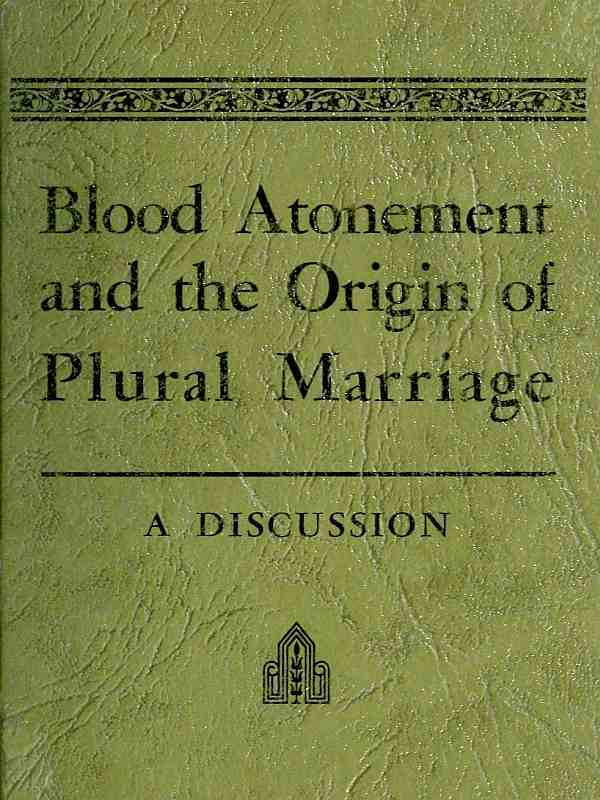
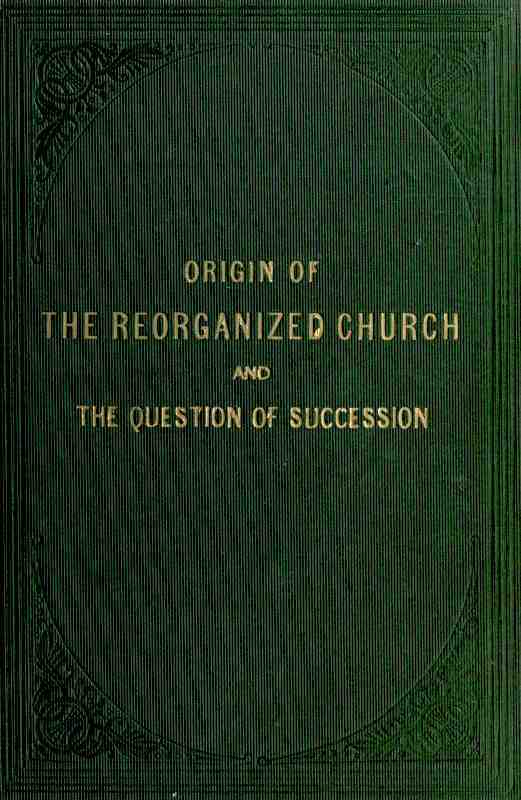
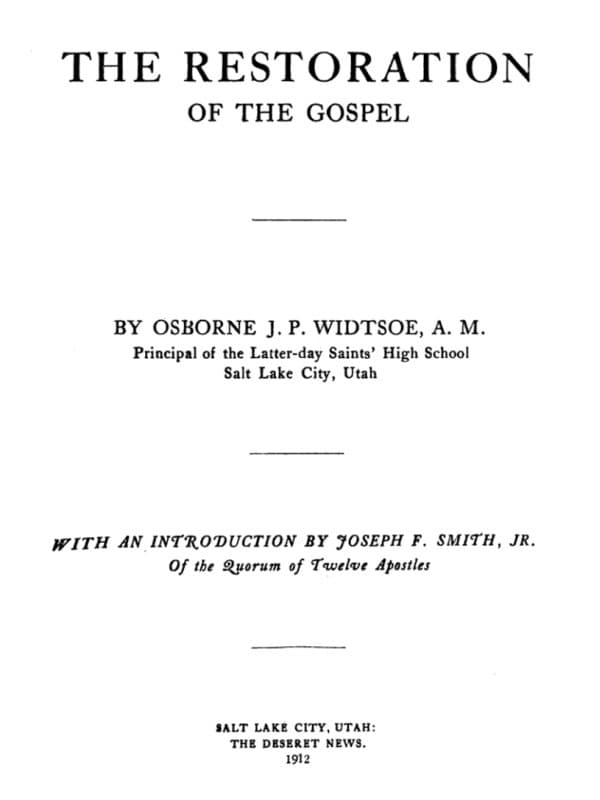


Link to this page
Add a free, dofollow link to Lex on your blog, forum, syllabus, or reading list.

<a href="https://lex-books.com/author/joseph-fielding-smith"><img src="https://lex-books.com/badges/read-on-lex.svg" alt="Joseph Fielding Smith on Lex" width="160" height="40"></a>[](https://lex-books.com/author/joseph-fielding-smith)[url=https://lex-books.com/author/joseph-fielding-smith][img]https://lex-books.com/badges/read-on-lex.svg[/img][/url]Joseph Fielding Smith on Lex: https://lex-books.com/author/joseph-fielding-smith