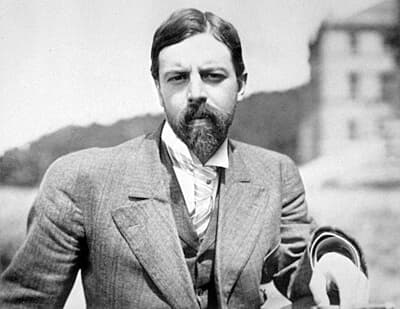
A. L. Kroeber
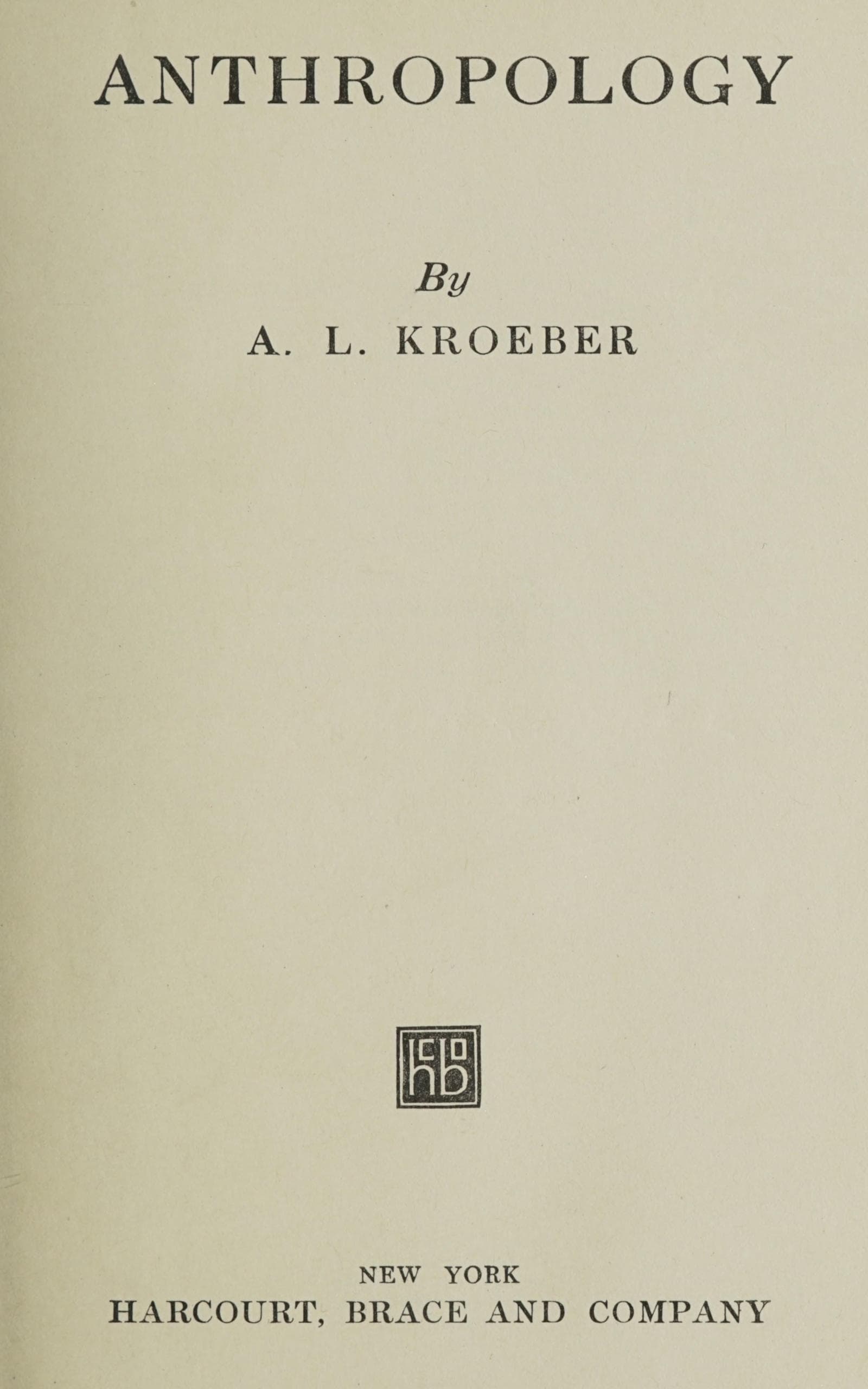
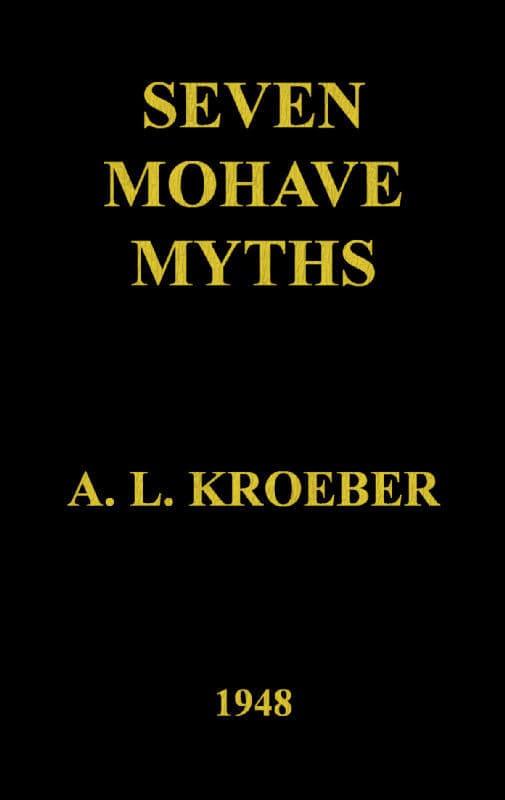
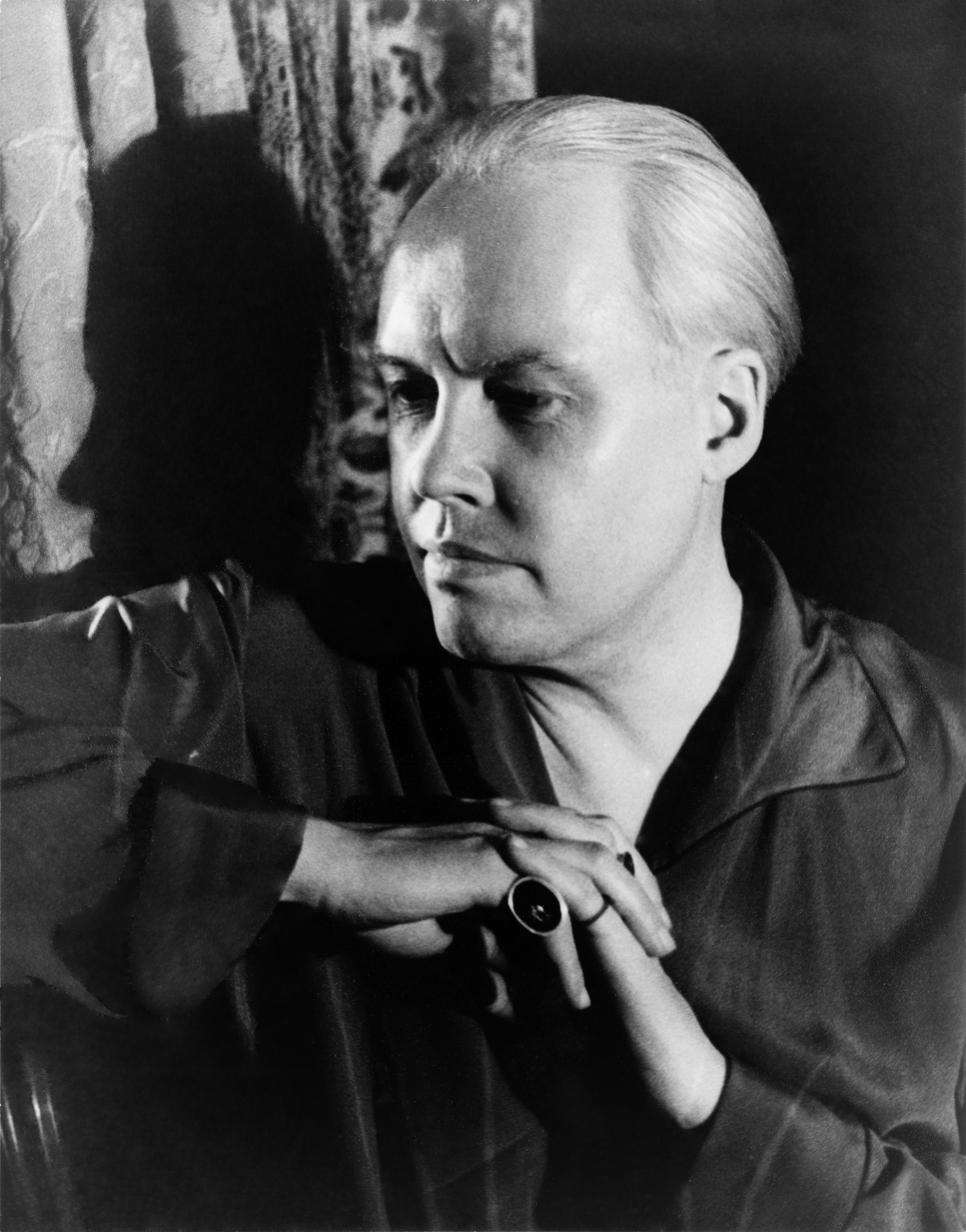
A. L. Kroeber was an influential American anthropologist whose work significantly shaped the field of anthropology in the early 20th century. Born in 1876, Kroeber was a pioneering figure in the study of Native American cultures, particularly those of California. He was a student of Franz Boas, often regarded as the father of American anthropology, and Kroeber's research emphasized the importance of cultural context in understanding human societies. His notable works include 'Seven Mohave Myths,' which delves into the rich storytelling traditions of the Mohave people, and 'The Religion of the Indians of California,' where he explored the spiritual beliefs and practices of various Native Californian tribes. Kroeber's 'Mohave Pottery' further highlighted the artistic expressions of the Mohave culture, showcasing their craftsmanship and cultural significance. Kroeber's contributions to anthropology extended beyond his publications; he was instrumental in establishing the first anthropology department at the University of California, Berkeley, where he mentored many future anthropologists. His emphasis on cultural relativism and the importance of fieldwork set new standards in the discipline. Kroeber's legacy endures through his extensive writings and the foundational role he played in promoting the understanding of indigenous cultures, making him a key figure in the evolution of American anthropology.
Books from the author



Link to this page
Add a free, dofollow link to Lex on your blog, forum, syllabus, or reading list.

<a href="https://lex-books.com/author/a-l-kroeber"><img src="https://lex-books.com/badges/read-on-lex.svg" alt="A. L. Kroeber on Lex" width="160" height="40"></a>[](https://lex-books.com/author/a-l-kroeber)[url=https://lex-books.com/author/a-l-kroeber][img]https://lex-books.com/badges/read-on-lex.svg[/img][/url]A. L. Kroeber on Lex: https://lex-books.com/author/a-l-kroeber