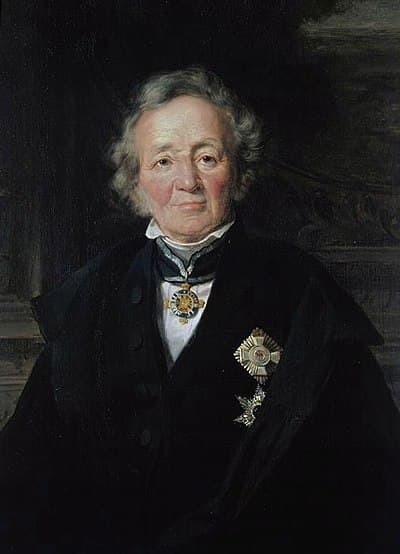
Leopold von Ranke
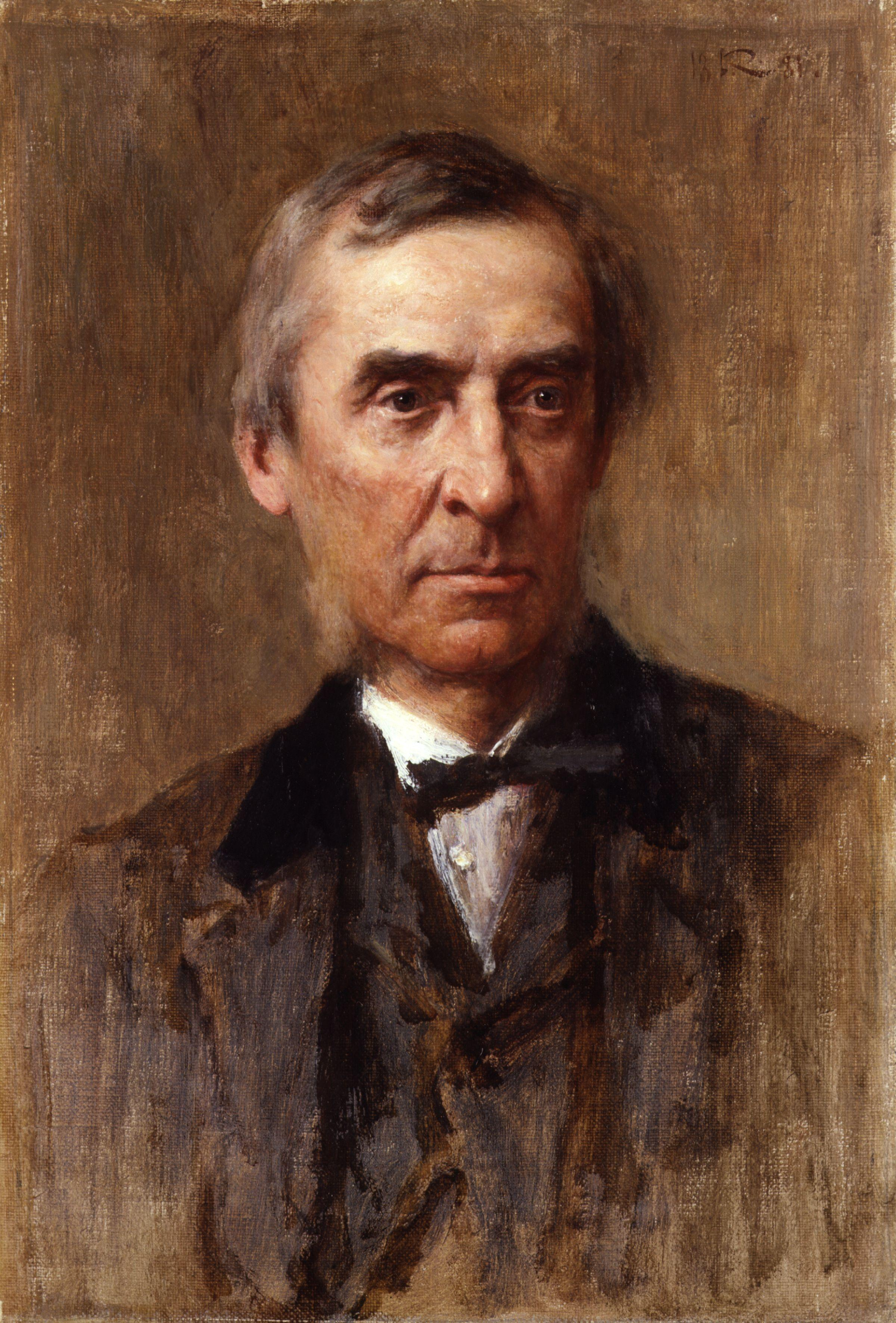
Leopold von Ranke was a pioneering German historian who played a crucial role in establishing modern historiography. He is best known for his emphasis on empirical research and the use of primary sources, which laid the groundwork for contemporary historical methodology. Ranke's innovative approach included the introduction of the seminar teaching method, allowing for in-depth analysis of historical documents and fostering a new generation of historians. His focus on narrative history, particularly in the realm of international politics, set standards that would influence historical writing for years to come. Ranke's works, including 'History of the Popes' and 'The Ottoman and Spanish Empires', exemplified his commitment to a rigorous, evidence-based approach to history. His belief that divine providence guided historical events reflected his Lutheran background and shaped his interpretation of the German Empire as a manifestation of God's will. Despite facing criticism for this perspective, Ranke's legacy endures as a symbol of 19th-century German historical scholarship, marking him as a foundational figure in the field of history who transformed how history is studied and understood.
Famous Quotes
View all 2 quotes“All ages are equidistant from eternity, and just as immediately accessible to God's presence.”
“We see before us a series of events which follow one another and are conditioned by one another. I say ‘conditioned’ I certainly do not mean conditioned through absolute necessity. The important point is that human freedom makes its appearance everywhere, and the greatest attraction of history lies in the fact that it deals with the scenes of that freedom.”
Books from the author

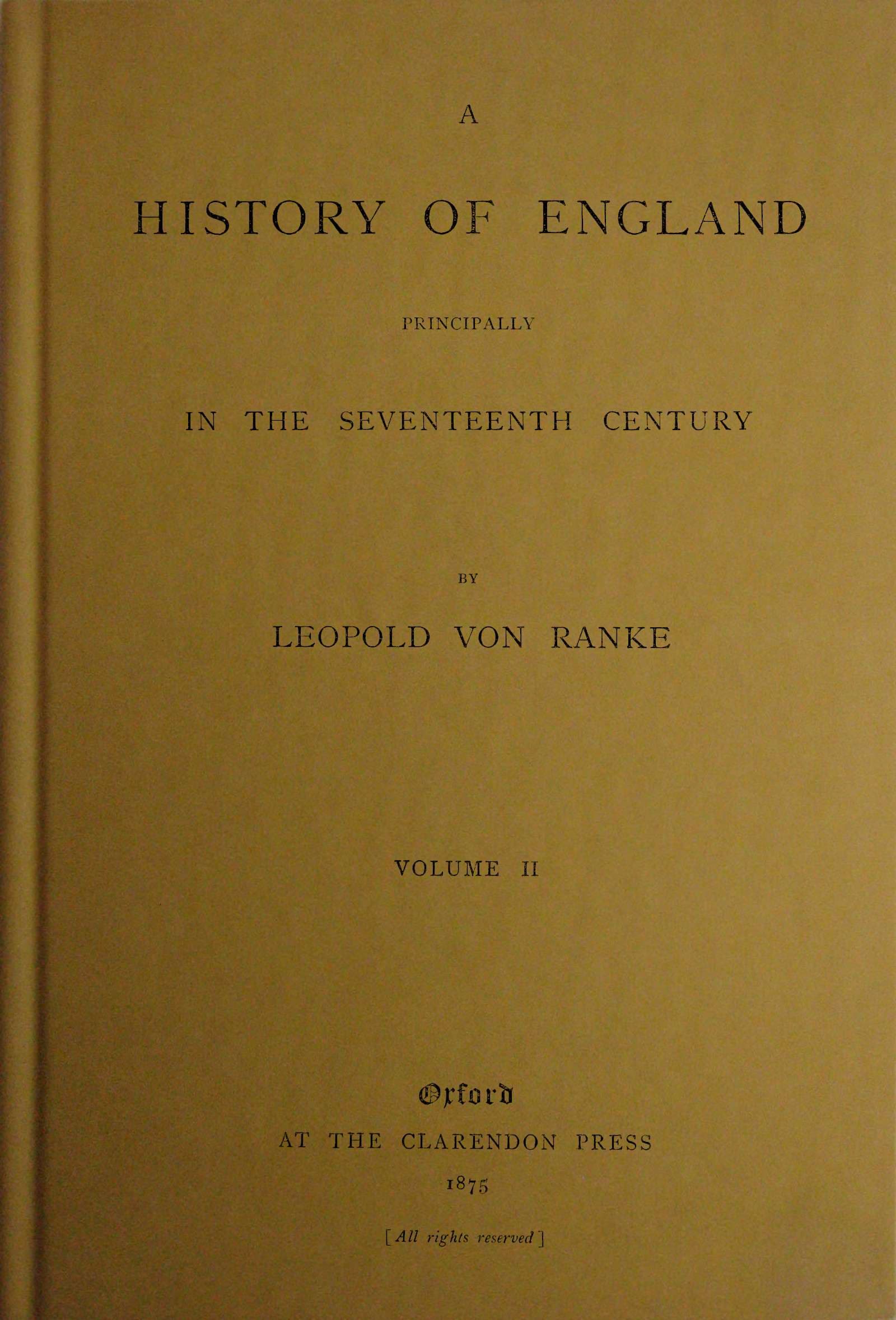


Link to this page
Add a free, dofollow link to Lex on your blog, forum, syllabus, or reading list.

<a href="https://lex-books.com/author/leopold-von-ranke"><img src="https://lex-books.com/badges/read-on-lex.svg" alt="Leopold von Ranke on Lex" width="160" height="40"></a>[](https://lex-books.com/author/leopold-von-ranke)[url=https://lex-books.com/author/leopold-von-ranke][img]https://lex-books.com/badges/read-on-lex.svg[/img][/url]Leopold von Ranke on Lex: https://lex-books.com/author/leopold-von-ranke