
Laurence Alma-Tadema
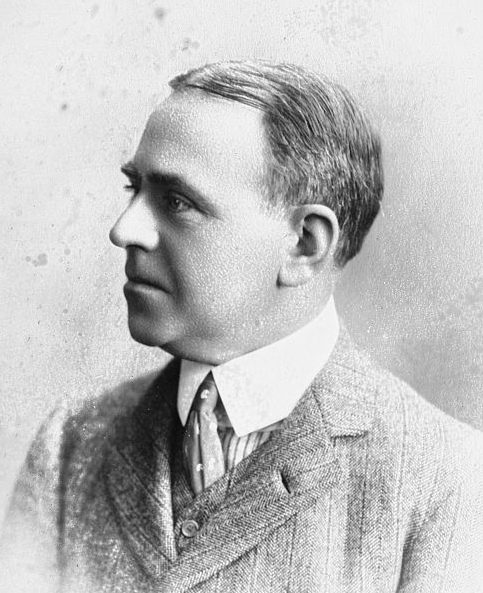
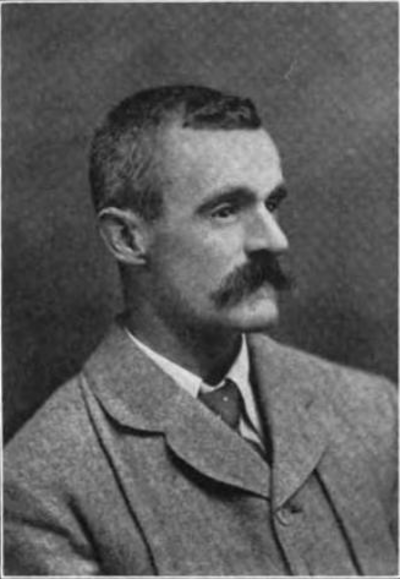
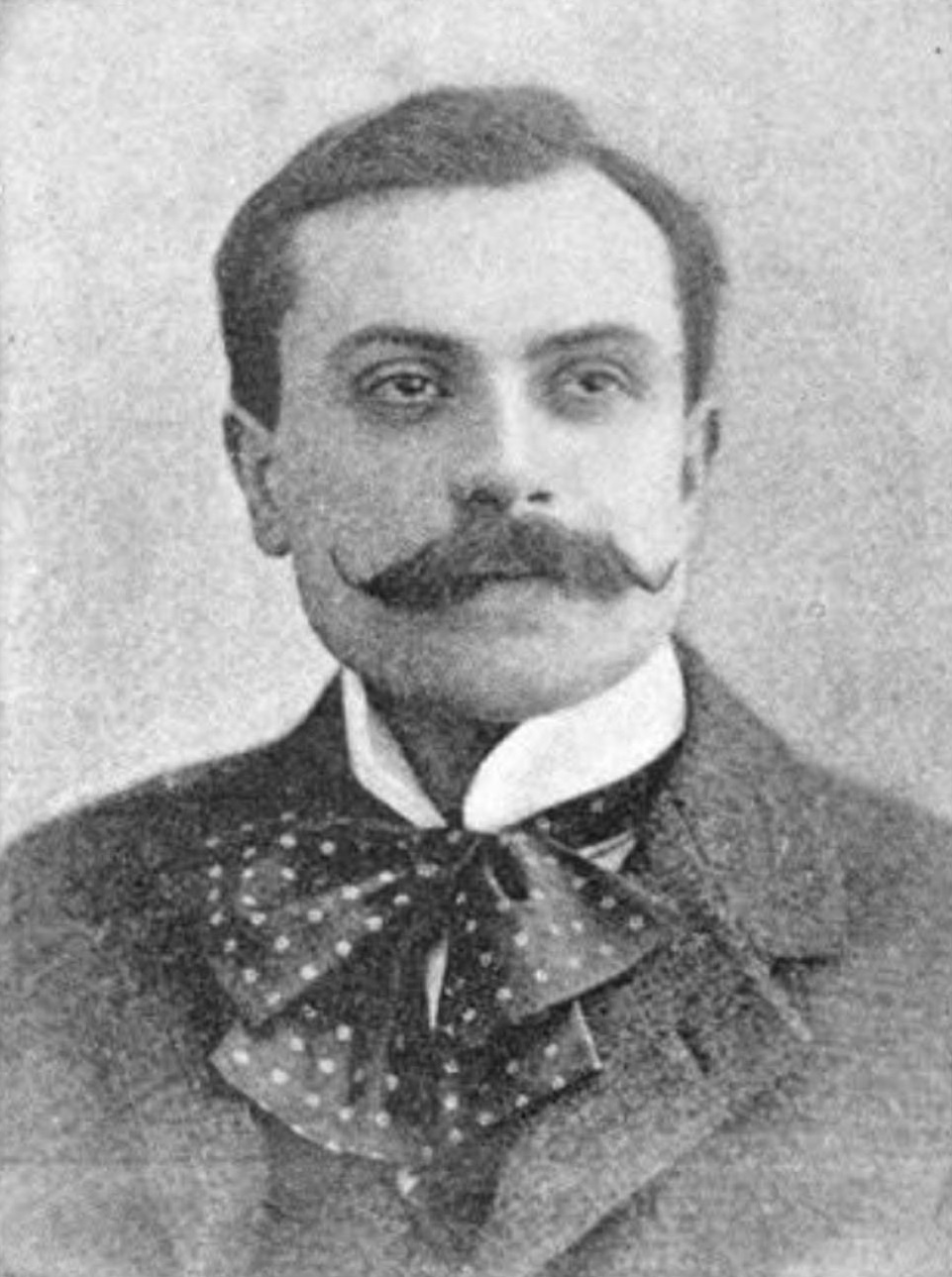
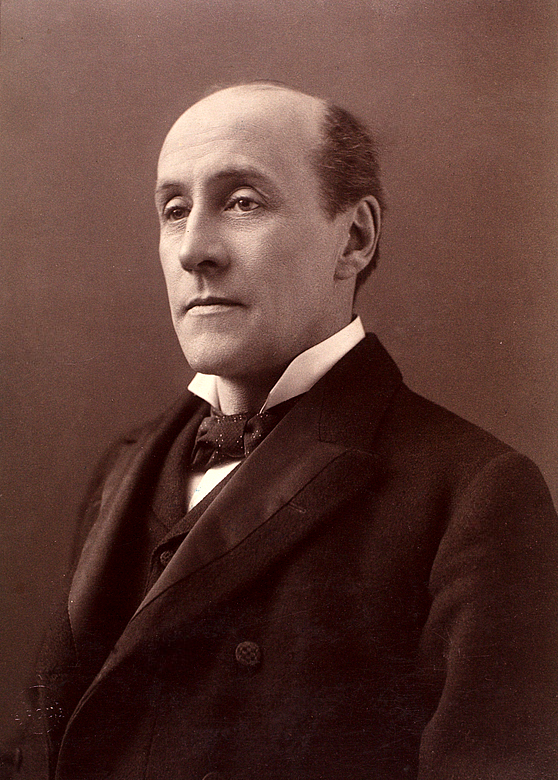
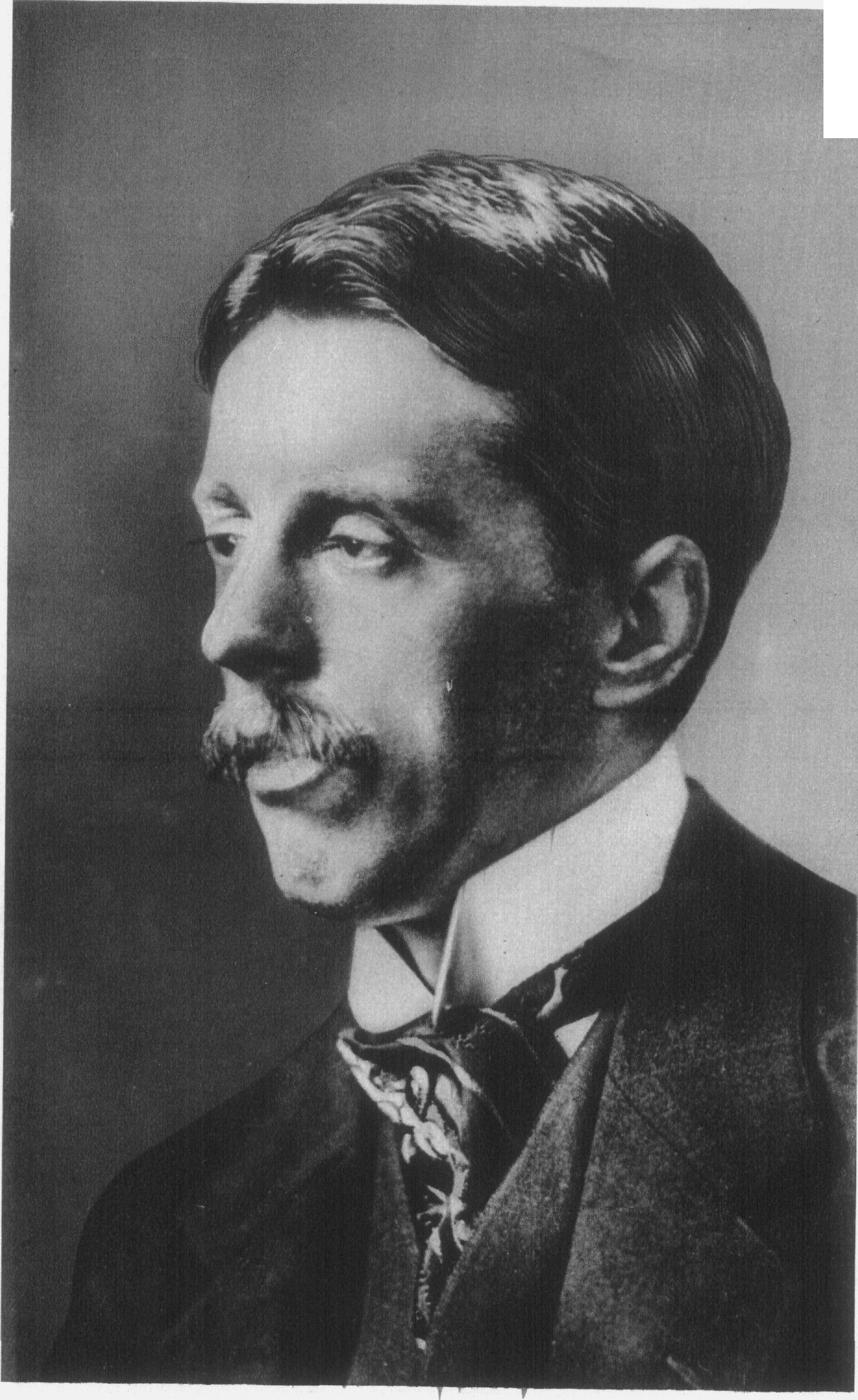
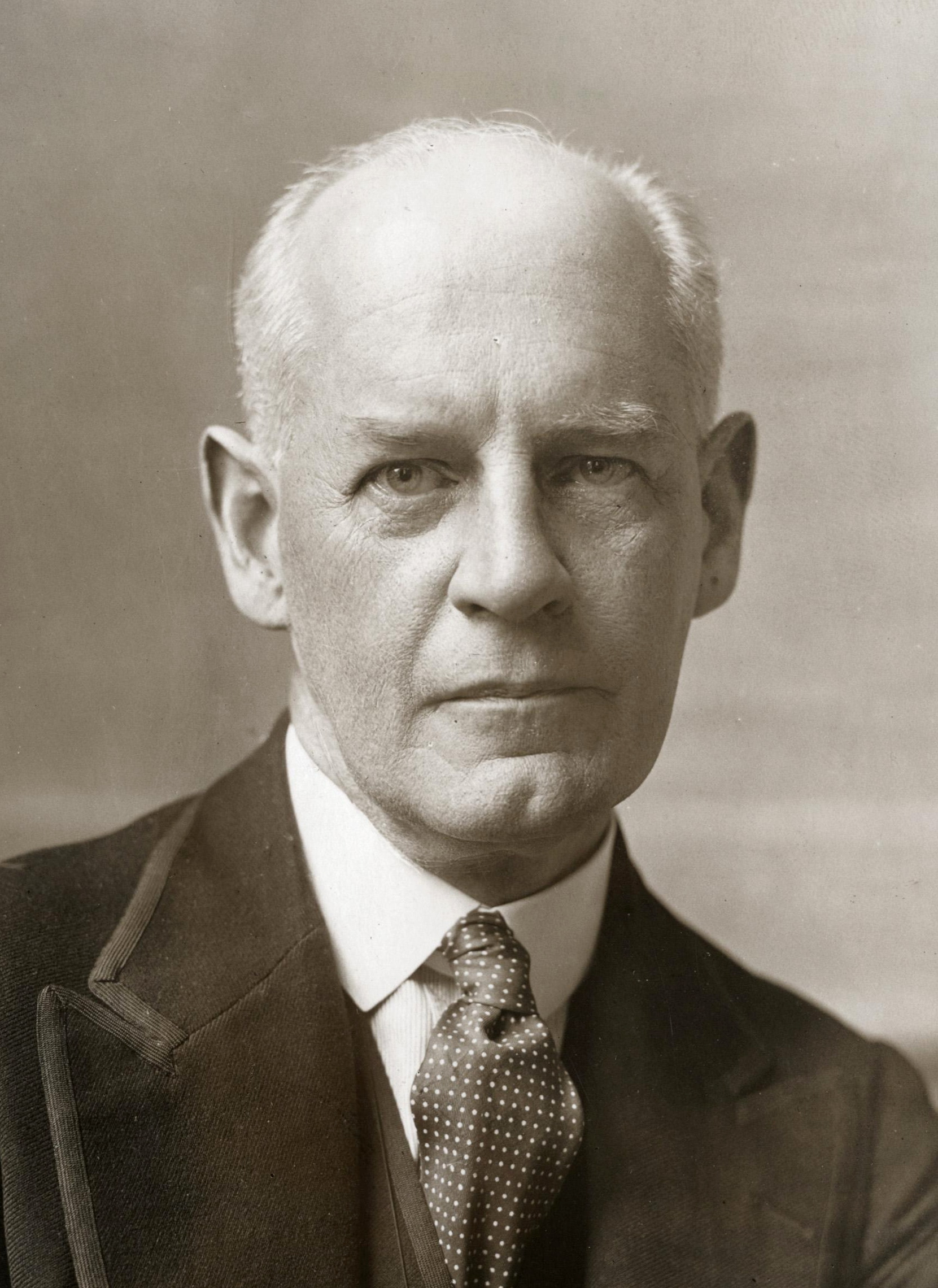
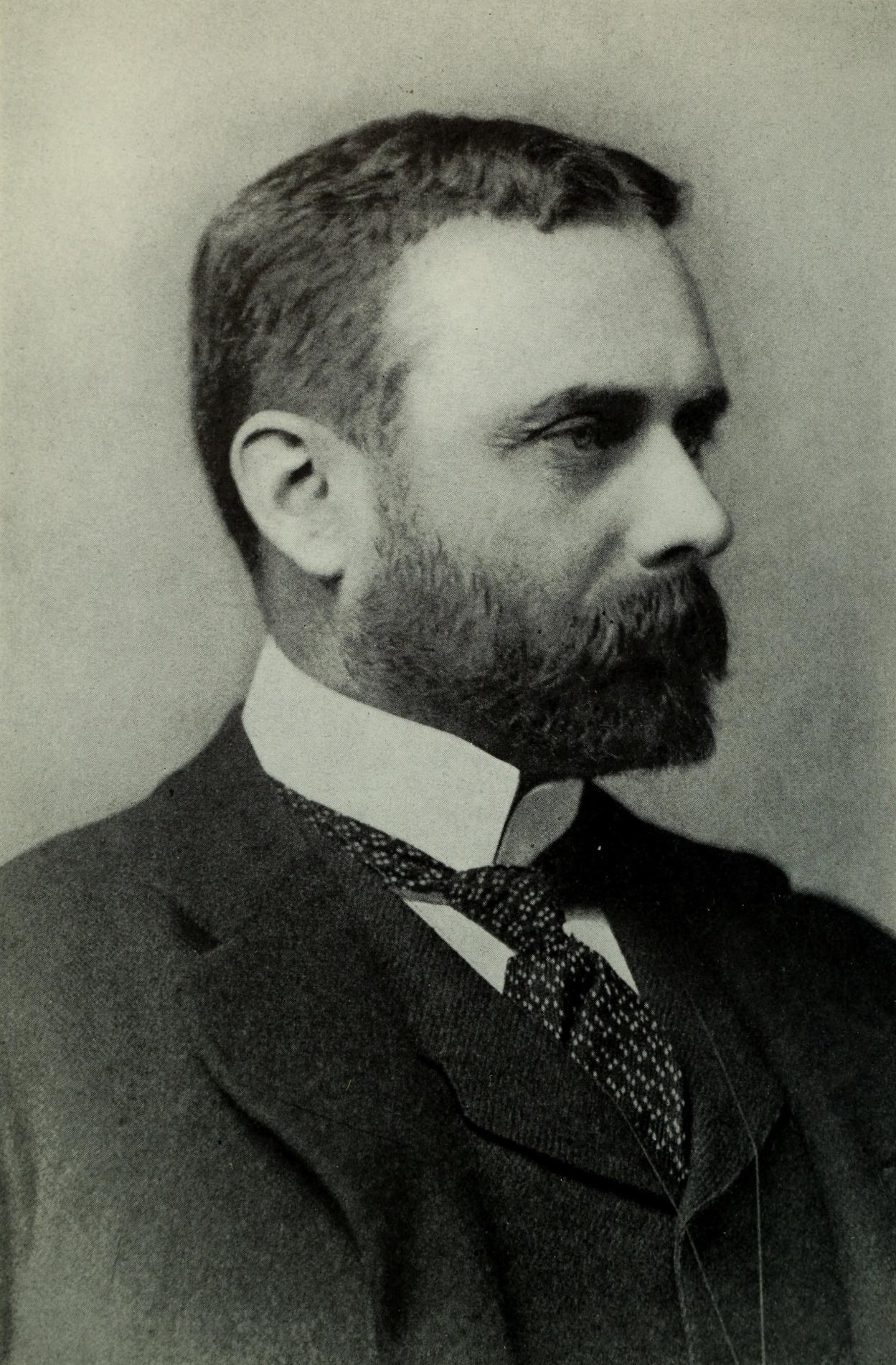
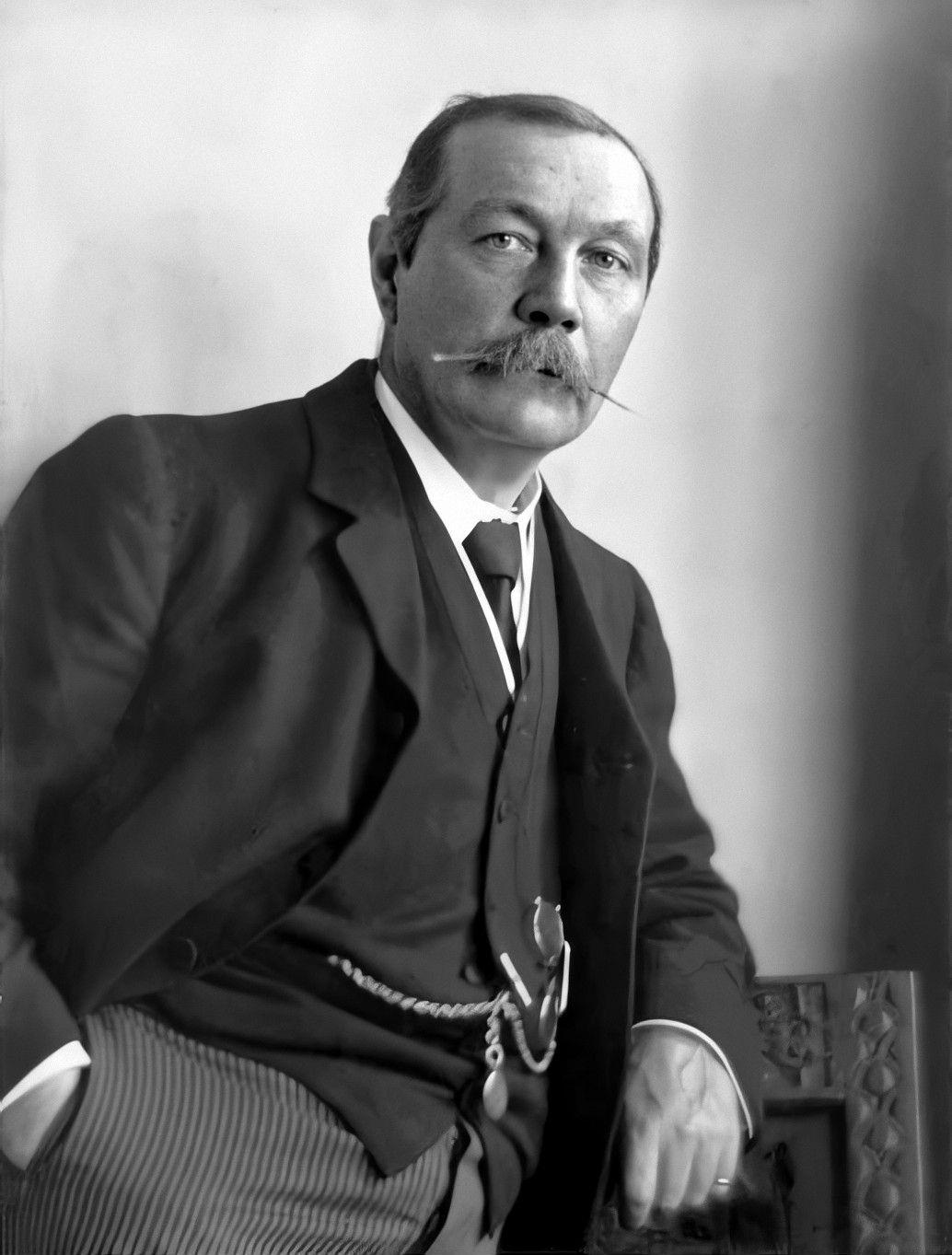
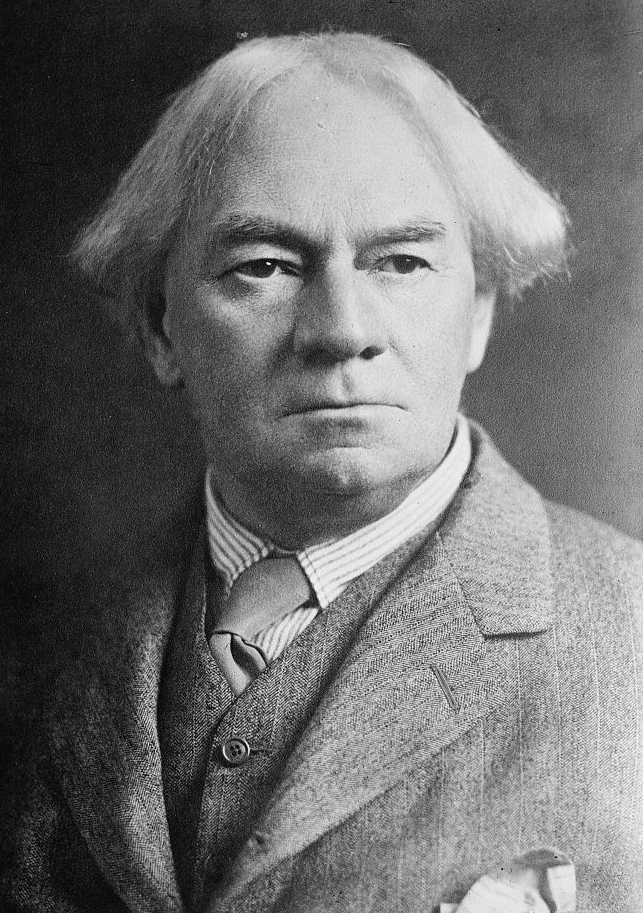
Laurence Alma-Tadema was a British writer renowned for his diverse contributions to literature in the late 19th and early 20th centuries. Born Laurense Tadema, he adopted the name Laurence Alma-Tadema to reflect his artistic aspirations. His works spanned various genres, showcasing his versatility and creativity. He was particularly noted for his vivid storytelling and rich character development, which often drew upon historical themes and settings. His ability to weave intricate plots with a deep understanding of human emotions made his narratives compelling and engaging for readers of his time. Alma-Tadema's literary significance lies not only in his prolific output but also in his influence on contemporary writers. His unique style and thematic explorations contributed to the evolution of British literature during a period marked by rapid social and cultural change. Through his novels and essays, he addressed complex issues such as identity, morality, and the human experience, leaving a lasting impact on the literary landscape. His legacy continues to be felt, as his works are studied for their artistic merit and historical context, reflecting the rich tapestry of the era in which he wrote.
Books from the author






Link to this page
Add a free, dofollow link to Lex on your blog, forum, syllabus, or reading list.

<a href="https://lex-books.com/author/laurence-alma-tadema"><img src="https://lex-books.com/badges/read-on-lex.svg" alt="Laurence Alma-Tadema on Lex" width="160" height="40"></a>[](https://lex-books.com/author/laurence-alma-tadema)[url=https://lex-books.com/author/laurence-alma-tadema][img]https://lex-books.com/badges/read-on-lex.svg[/img][/url]Laurence Alma-Tadema on Lex: https://lex-books.com/author/laurence-alma-tadema