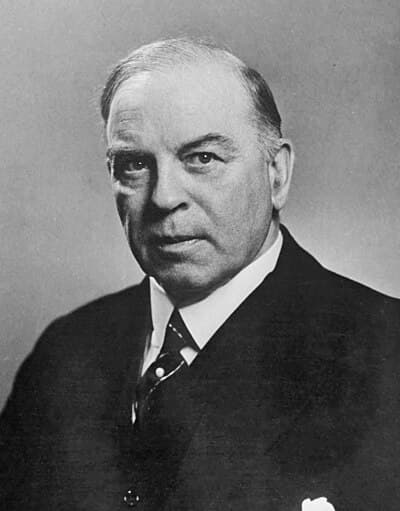
L. W. King
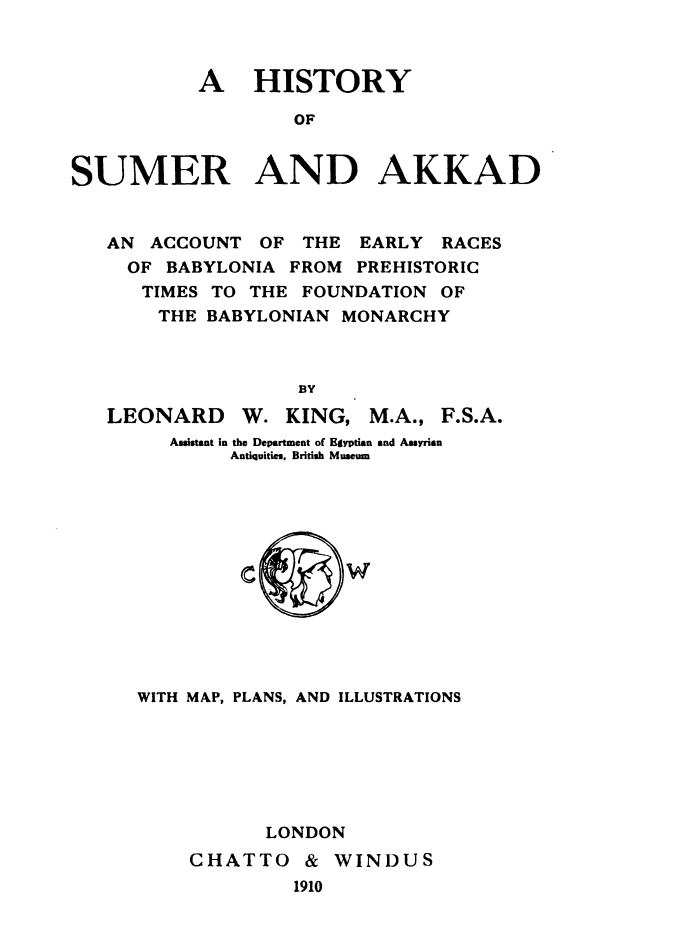
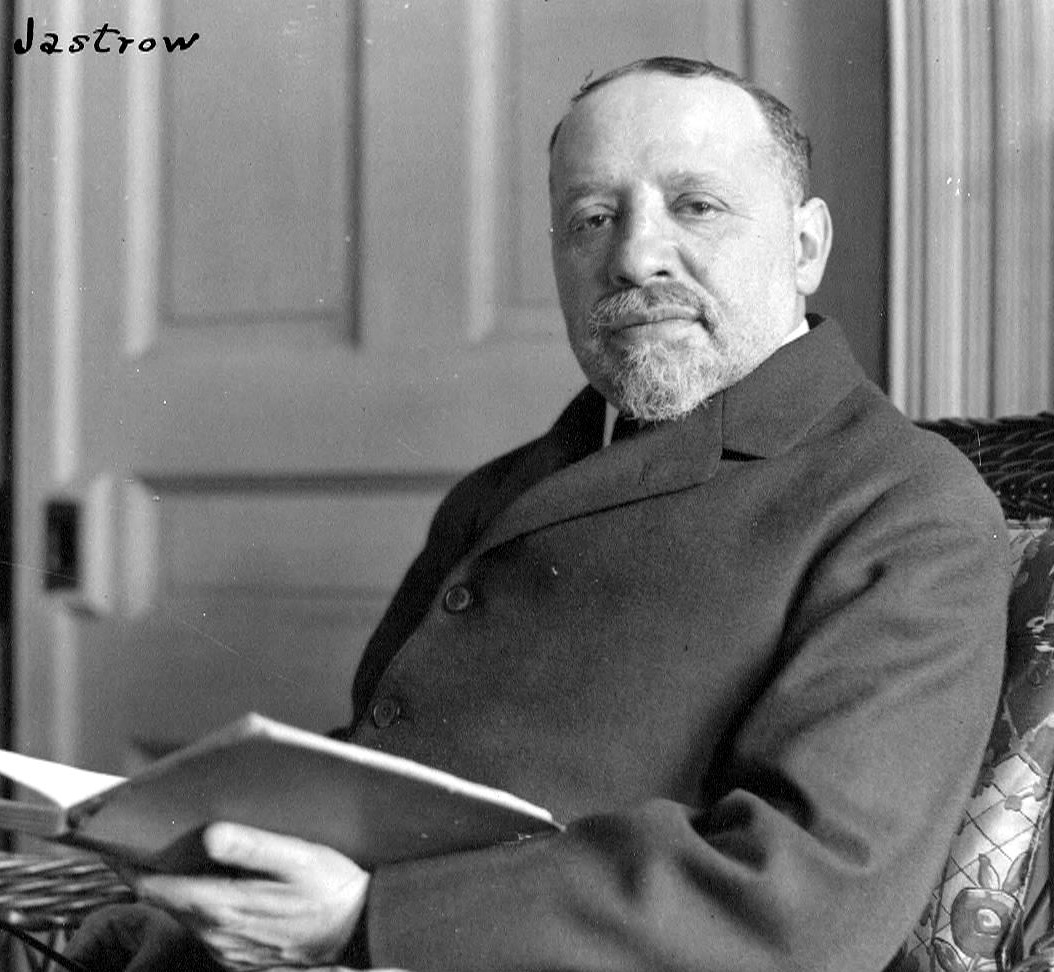
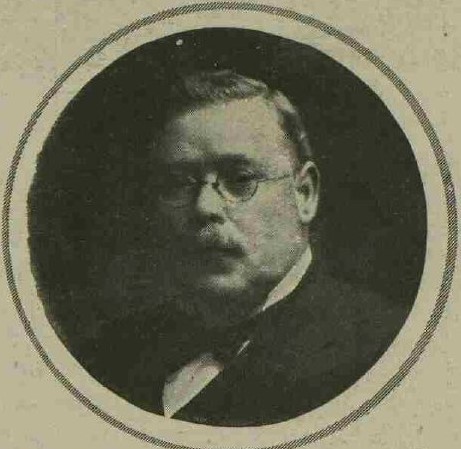
L. W. King was a prominent British archaeologist and historian whose work significantly contributed to the understanding of ancient Mesopotamian civilizations. He is best known for his comprehensive studies that illuminated the histories and cultures of Egypt, Chaldea, Syria, Babylonia, and Assyria, particularly in the context of archaeological discoveries of his time. King's notable works include 'History of Egypt, Chaldea, Syria, Babylonia, and Assyria in the Light of Recent Discovery,' which synthesized contemporary findings to provide a clearer picture of these ancient societies, and 'A History of Sumer and Akkad,' which traced the early races of Babylonia from prehistoric times to the establishment of the Babylonian monarchy. In addition to his historical narratives, King explored the interplay between ancient mythologies and religious traditions in his work 'Legends of Babylon and Egypt in Relation to Hebrew Tradition.' His scholarship not only advanced the field of Near Eastern studies but also influenced subsequent generations of historians and archaeologists. Through meticulous research and a commitment to uncovering the past, L. W. King left a lasting legacy in the study of ancient civilizations, enriching our understanding of the cultural and historical contexts that shaped human history.
Famous Quotes
View all 4 quotes“When in the height heaven was not named, 2. And the earth beneath did not yet bear a name, 3. And the primeval Apsû, who begat them, 4. And chaos, Tiamat, the mother of them both,”
“library of Ashur-bani-pal at Nineveh.””
“The poem embodies the beliefs of the Babylonians and Assyrians concerning the origin of the universe; it describes the coming forth of the gods from chaos, and tells the story of how the forces of disorder, represented by the primeval water-gods Apsû and Tiamat, were overthrown by Ea and Marduk respectively, and how Marduk, after completing the triumph of the gods over chaos, proceeded to create the world and man. The poem is known to us from portions of several Assyrian and late-Babylonian copies of the work, and from extracts from it written out upon the so-called "practice-tablets," or students' exercises, by pupils of the Babylonian scribes. The Assyrian copies of the work are from the great library which was founded at Nineveh by Ashur-bani-pal, king of Assyria from B.C. 668 to about B.C. 626; the Babylonian copies and extracts were inscribed during the period of the kings of the””
Books from the author



Link to this page
Add a free, dofollow link to Lex on your blog, forum, syllabus, or reading list.

<a href="https://lex-books.com/author/l-w-king"><img src="https://lex-books.com/badges/read-on-lex.svg" alt="L. W. King on Lex" width="160" height="40"></a>[](https://lex-books.com/author/l-w-king)[url=https://lex-books.com/author/l-w-king][img]https://lex-books.com/badges/read-on-lex.svg[/img][/url]L. W. King on Lex: https://lex-books.com/author/l-w-king