“When in the height heaven was not named, 2. And the earth beneath did not yet bear a name, 3. And the primeval Apsû, who begat them, 4. And chaos, Tiamat, the mother of them both,”
The Seven Tablets of Creation: Enuma Elish Complete
“When in the height heaven was not named, 2. And the earth beneath did not yet bear a name, 3. And the primeval Apsû, who begat them, 4. And chaos, Tiamat, the mother of them both,”
“library of Ashur-bani-pal at Nineveh.””
“The poem embodies the beliefs of the Babylonians and Assyrians concerning the origin of the universe; it describes the coming forth of the gods from chaos, and tells the story of how the forces of disorder, represented by the primeval water-gods Apsû and Tiamat, were overthrown by Ea and Marduk respectively, and how Marduk, after completing the triumph of the gods over chaos, proceeded to create the world and man. The poem is known to us from portions of several Assyrian and late-Babylonian copies of the work, and from extracts from it written out upon the so-called "practice-tablets," or students' exercises, by pupils of the Babylonian scribes. The Assyrian copies of the work are from the great library which was founded at Nineveh by Ashur-bani-pal, king of Assyria from B.C. 668 to about B.C. 626; the Babylonian copies and extracts were inscribed during the period of the kings of the””
“Of the actual tablets inscribed with portions of the text of the Creation Series we possess none which dates from an earlier period than the seventh century B.C.””
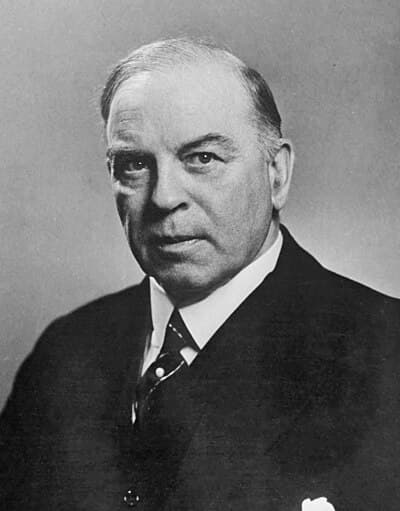 L. W. King
L. W. King was a prominent British archaeologist and historian whose work significantly contributed to the understanding of ancient Mesopotamian civilizations. He is best known for his comprehensive s...