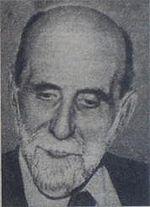
Juan Ramón Jiménez
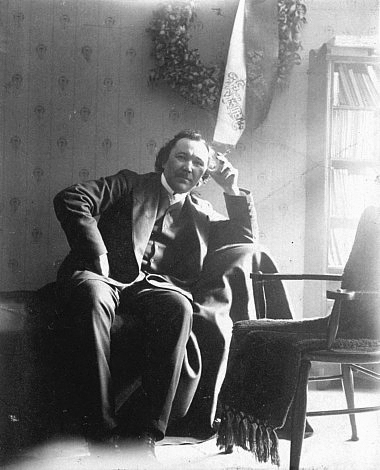
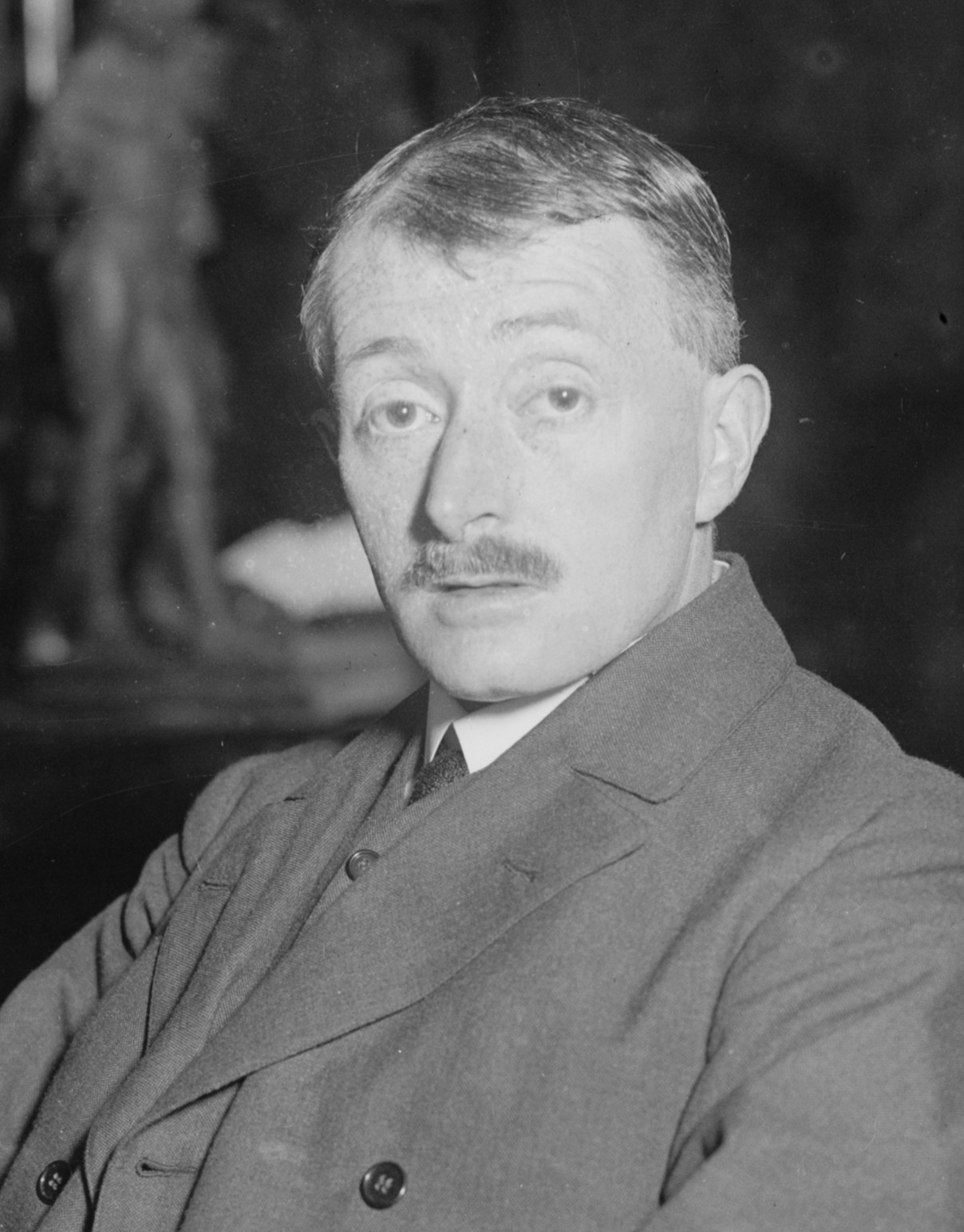
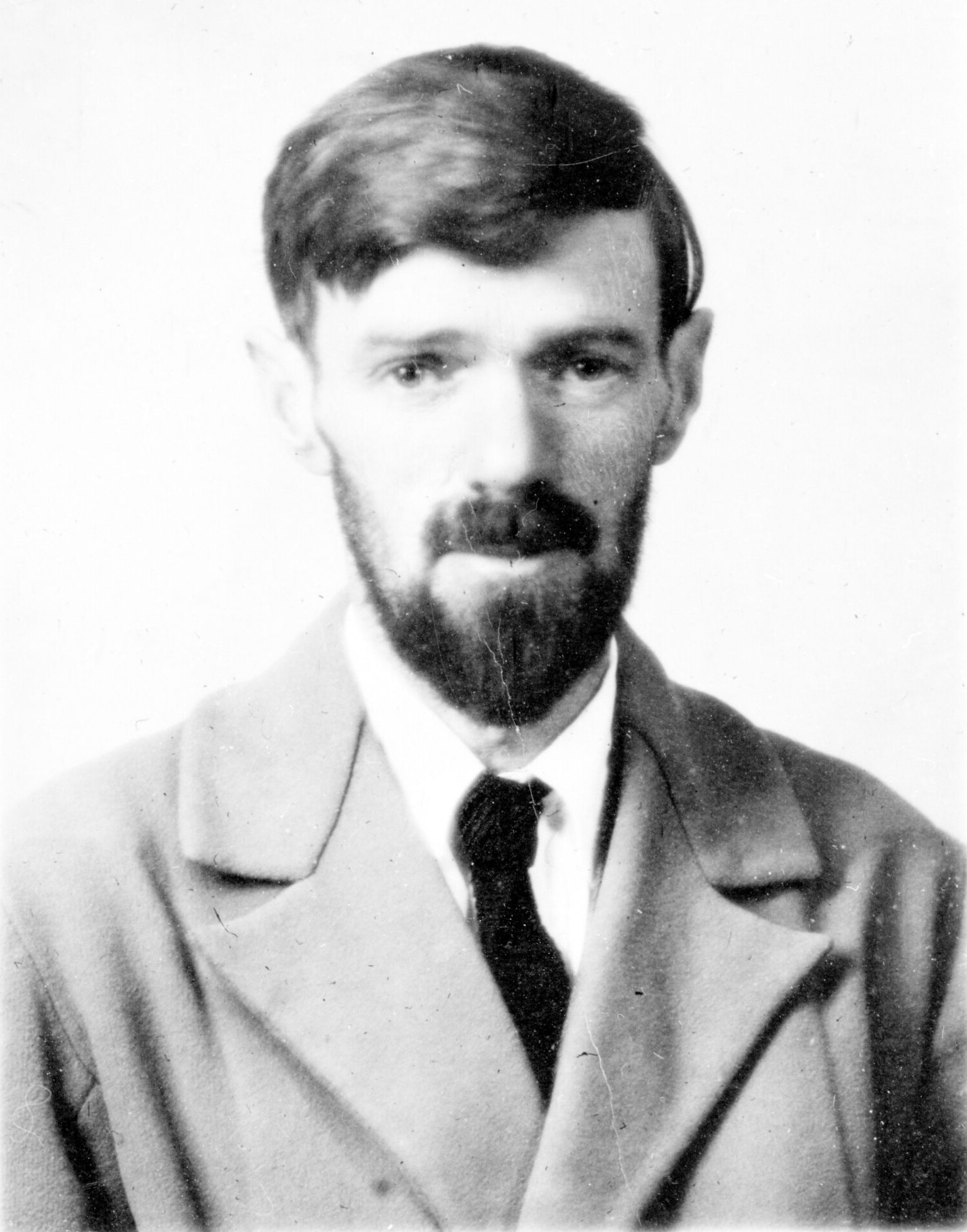
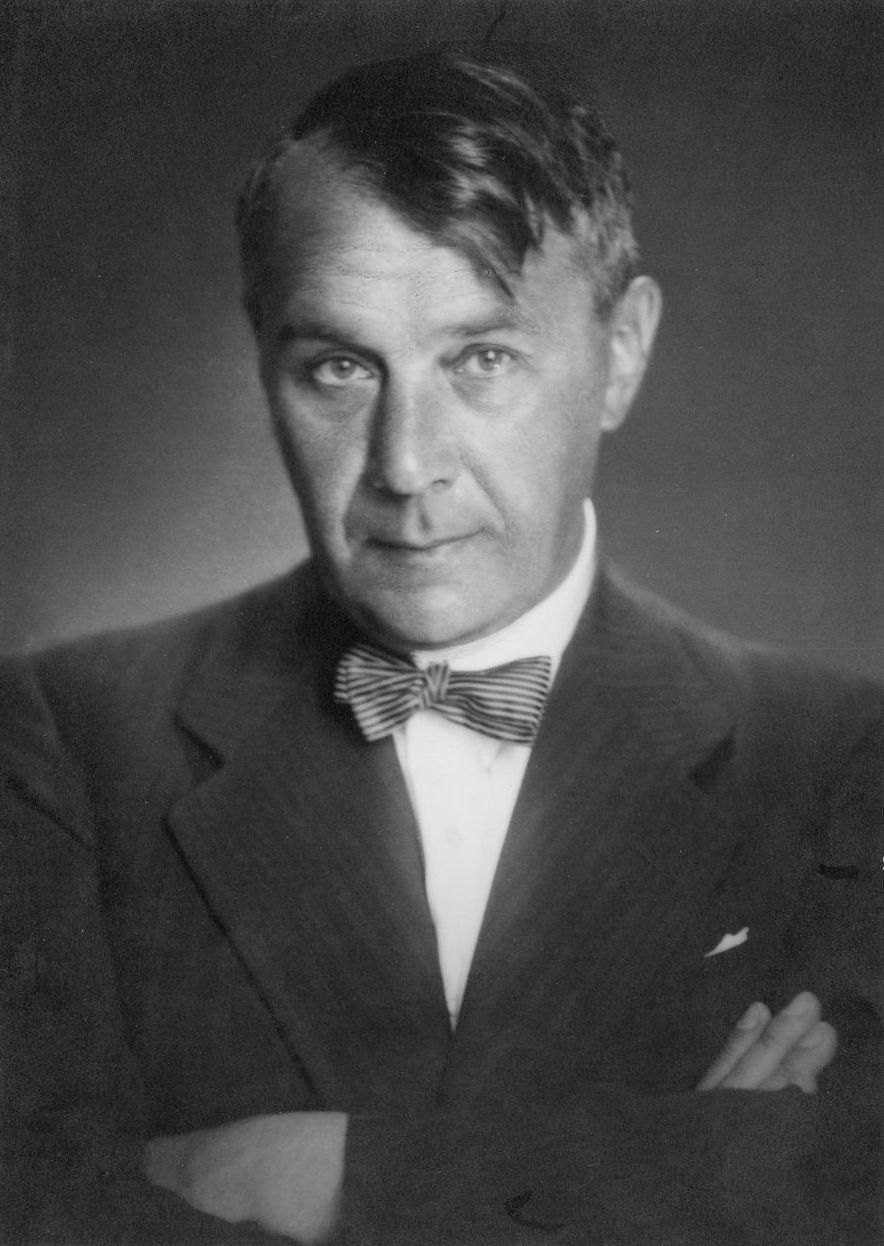
Juan Ramón Jiménez was a prominent Spanish poet and a key figure in the Spanish literary landscape of the early 20th century. Born in Moguer, Andalusia, he began writing poetry at a young age, influenced by the rich cultural heritage of his homeland and the Symbolist movement. His early works, such as 'Platero y yo,' a prose poem that reflects on the bond between a boy and his donkey, showcase his lyrical style and deep appreciation for nature. Jiménez's poetry evolved over time, moving from modernist influences to a more introspective and spiritual approach, culminating in his later works that explore themes of existence and the pursuit of beauty. In 1956, Jiménez was awarded the Nobel Prize in Literature, recognizing his profound impact on Spanish poetry and his ability to convey complex emotions through simple yet evocative language. His works, including 'Diario de un poeta recien casado' and 'La estación total,' have left a lasting legacy, influencing generations of poets and writers. Jiménez's exploration of the relationship between art and life, as well as his quest for spiritual enlightenment, has solidified his status as a pivotal figure in the Spanish literary canon, ensuring that his voice continues to resonate in the world of literature.
Famous Quotes
View all 19 quotes“If they give you ruled paper, write the other way.””
“Life. This morning the sun made me adore it. It had, behind the dripping pine trees, the oriental brightness, orange and crimson, of a living being, a rose and an apple, in the physical and ideal fusion of a true and daily paradise.””
“If the poems please you more than my lips,I will never give you another kiss.””





Link to this page
Add a free, dofollow link to Lex on your blog, forum, syllabus, or reading list.

<a href="https://lex-books.com/author/juan-ramón-jiménez"><img src="https://lex-books.com/badges/read-on-lex.svg" alt="Juan Ramón Jiménez on Lex" width="160" height="40"></a>[](https://lex-books.com/author/juan-ramón-jiménez)[url=https://lex-books.com/author/juan-ramón-jiménez][img]https://lex-books.com/badges/read-on-lex.svg[/img][/url]Juan Ramón Jiménez on Lex: https://lex-books.com/author/juan-ramón-jiménez