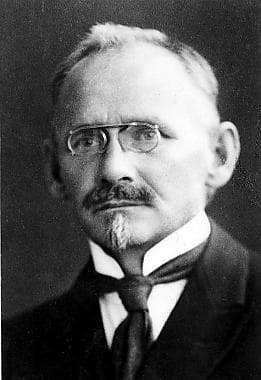
Joel Lehtonen
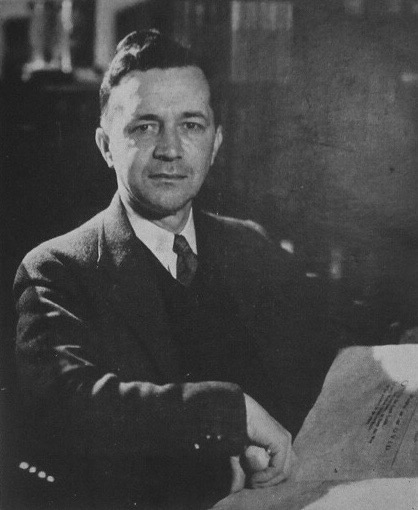
Joel Lehtonen was a Finnish author, translator, critic, and journalist known for his profound exploration of human suffering and societal disillusionment. Born in Sääminki, his early life was marked by hardship, including the loss of his father and his mother's mental health struggles. Despite these challenges, he pursued education at the University of Helsinki, where he initially embraced neoromanticism in his writing. However, the aftermath of the Finnish Civil War profoundly impacted his worldview, leading him to adopt a more pessimistic and skeptical perspective in his later works. Lehtonen's literary contributions include notable works such as 'Putkinotko' and 'The Last of the Finns,' which reflect his deep engagement with themes of existential despair and the human condition. His writing is characterized by a blend of realism and modernist techniques, making him a significant figure in Finnish literature. Lehtonen's legacy is marked by his candid exploration of personal and societal struggles, and his life ended tragically in 1934, when he took his own life, leaving behind a body of work that continues to resonate with readers and scholars alike.
Famous Quotes
View all 1 quotes“...alkaminen on aina vaikeaa. Silloin rupeaa koskemaan pään sisään. Ja vetää ikäänkuin makuulle. Ja jalkaa rupeaa pakottamaan... ja vetää makuulle.”
Books from the author



Link to this page
Add a free, dofollow link to Lex on your blog, forum, syllabus, or reading list.

<a href="https://lex-books.com/author/joel-lehtonen"><img src="https://lex-books.com/badges/read-on-lex.svg" alt="Joel Lehtonen on Lex" width="160" height="40"></a>[](https://lex-books.com/author/joel-lehtonen)[url=https://lex-books.com/author/joel-lehtonen][img]https://lex-books.com/badges/read-on-lex.svg[/img][/url]Joel Lehtonen on Lex: https://lex-books.com/author/joel-lehtonen